
In this article

GemStore team — written by the people who list and pack every stone.
Reviewed on
Jade (yashab) is a trickier first purchase than most stones, not because it is rare in the market but because the word covers two different minerals and a long list of look-alikes. Get the vocabulary straight and the rest becomes much easier.
Two minerals share one name
- Nephrite is made of interlocking fibres, which makes it extraordinarily tough. It usually comes in deep spinach green, olive or creamy white, with an oily, soft lustre. Most yashab traditionally worn in Pakistan and Central Asia is nephrite.
- Jadeite is granular rather than fibrous, can show more vivid greens, lavender and other colours, and has a slightly more glassy shine. The finest translucent emerald-green jadeite is among the most valuable gem materials in the world.
Both are genuine jade. They are priced differently, so a listing should say which one it is.
The "Pakistani jade" confusion
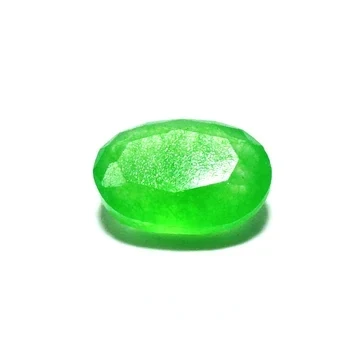
Green serpentine and certain types of dyed or green quartzite are often sold under names like "new jade" or even "Pakistani jade". They can be attractive stones, but they are not jade. Serpentine is softer and can be scratched with a steel blade, while true jade resists it. Aventurine quartz shows tiny glittering flecks that jade does not.
A, B and C jade
These trade terms mostly apply to jadeite:
- Type A: natural, untreated apart from surface wax.
- Type B: bleached with acid and filled with polymer resin to improve clarity. It can become brittle and cloudy over time.
- Type C: dyed to add or deepen colour. Dye often pools in fractures, visible under magnification.
Only a lab can confirm Type A with certainty; we can arrange independent testing on request.
How to judge quality
- Colour: even, rich and pleasant to the eye. Patchy or muddy colour lowers value.
- Translucency: light should glow into the stone. Better jade is more translucent.
- Texture: a fine, smooth grain gives a soft, glowing polish; coarse grain looks grainy and dull.
Toughness versus hardness
Jade sits at 6 to 7 on the Mohs scale, moderate in hardness, but nephrite in particular is famously tough and resists breaking. It is fine in pendants, bangles and rings worn with care; store it apart from harder stones to avoid scratches.
Yashab in Chinese tradition
Jade is linked to prosperity and long life in Chinese tradition rather than to a planet, and is worn for harmony, calm and steady good fortune. These are beliefs, not promised results; see our rashi guide for astrological stones.
Buying yashab from GemStore
Each stone in our jade collection is inspected and photographed individually, with known treatments disclosed. A certificate of authenticity is available on request. Also see moonstone or sunstone. Urdu names are on our names page, and we deliver with Cash on Delivery to Lahore, Karachi and the rest of Pakistan.
References











