
Islamic gemstones
Islamic Gemstones: Aqeeq and the Stones of Muslim Tradition اسلامی پتھر
In short: Aqeeq (agate and carnelian) is the stone most closely tied to Muslim custom in Pakistan, traditionally worn in silver rings and passed down in families. Its standing comes from widely cited narrations, though scholars differ on how reliable they are, and from centuries of practice. Many men wear the same aqeeq ring for decades.
Aqeeq (agate and carnelian) is the stone most closely tied to Muslim custom in Pakistan, worn in silver rings and passed down in families. Its standing comes from narrations that are widely cited, though scholars differ on how reliable they are, and from centuries of practice. This guide covers that tradition, how to choose a natural aqeeq, and the other stones Muslims traditionally wear.
- Trade name
- Aqeeq (عقیق)
- Mineral
- Chalcedony: agate and carnelian
- Hardness
- 6.5 to 7 Mohs
- Customary setting
- Silver ring for men
- Common colours
- Red, brown, black, banded, yellow, white, green
Pages in this guide
- مردوں کے لیے عقیق Aqeeq for Men: The Silver Ring Tradition and How to Choose Islamic gemstones Read
- درِ نجف Dur-e-Najaf: The Clear Stone of Najaf Islamic gemstones Read
- فیروزہ Feroza in Muslim Tradition: Nishapuri and Iranian Turquoise Islamic gemstones Read
- موہِ نجف Moh-e-Najaf: Rutilated Quartz in Tradition and Trade Islamic gemstones Read
From the vault
Shop aqeeq and Islamic gemstones
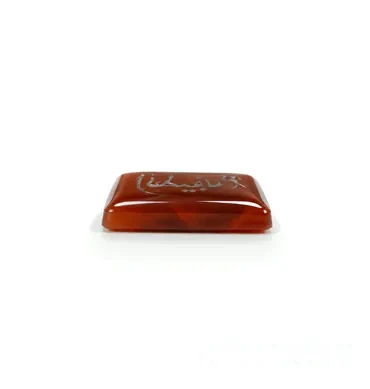
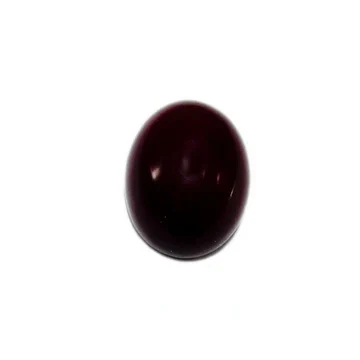
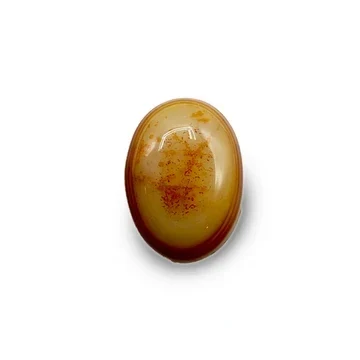
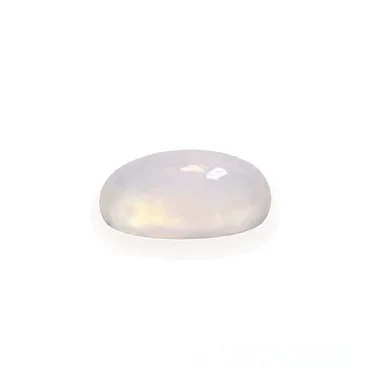
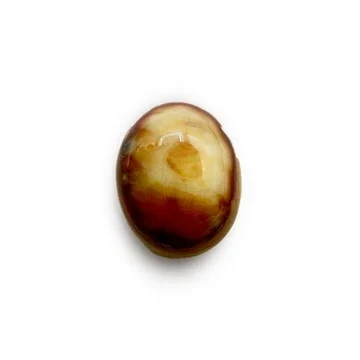
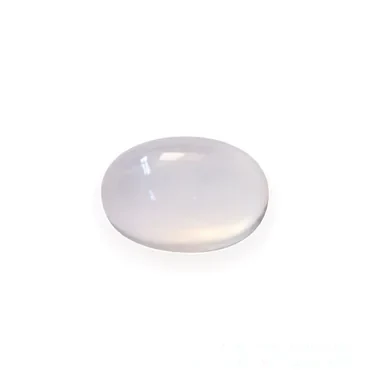
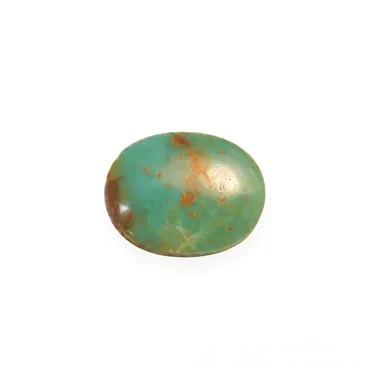
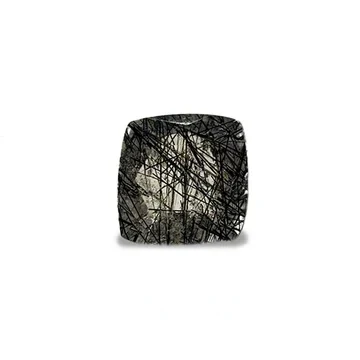
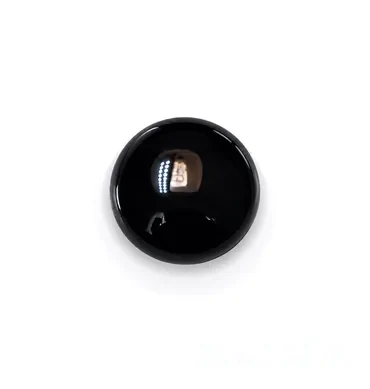
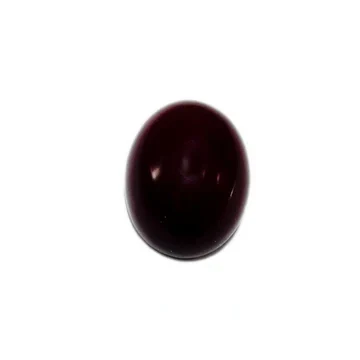
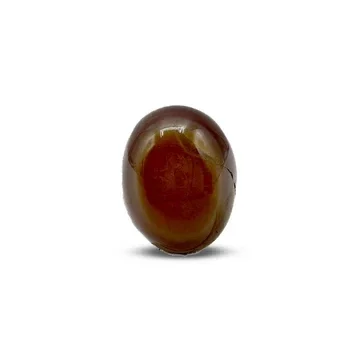

GemStore team — written by the people who list and pack every stone.
Reviewed on
Traditional belief vs gemmology: anything on this page about luck, protection, planets, healing or religious tradition describes traditional and cultural beliefs — not proven effects, religious rulings or medical advice. A stone's identity, hardness, treatment and origin are gemmology, which a lab can test; the references at the end of the page cover that side.
What aqeeq is
Aqeeq is the Arabic and Urdu name for agate and carnelian, both forms of chalcedony. Chalcedony is quartz made of crystals far too small to see, laid down in layers inside cavities in rock. Those layers give aqeeq its soft bands, cloudy patches and gentle changes of tone. It sits at 6.5 to 7 on the Mohs scale, hard enough for a ring worn every day.
In everyday Pakistani use, "aqeeq" on its own usually means the red, orange and brown stones. The same mineral comes in many other colours, each with its own trade name, and all of them are aqeeq in the mineral sense.
Aqeeq in Islamic tradition
Reports in the major hadith collections describe the Prophet Muhammad (peace be upon him) wearing a silver ring that he used as a seal. That ring is the root of the custom of a man wearing a single silver ring, and many Muslims regard it as following the Sunnah. Some of these reports describe the stone of the ring as "Abyssinian", and scholars have understood that word in different ways.
Several narrations that praise aqeeq by name are commonly cited in Pakistan, often on shop signs and in family conversation. The best known urges believers to wear aqeeq rings and calls the stone blessed. Hadith scholars differ on the grading of these narrations, and many Sunni specialists regard them as weak. In Shia devotional literature, recommendations to wear aqeeq are attributed to the Imams of the Ahl al-Bayt, and the practice is widespread among Shia families. Both communities have worn aqeeq for centuries, and the custom has deep roots in Pakistan regardless of how a given narration is graded.
Aqeeq also appears in the wider culture of the Muslim world. Seal rings cut from carnelian were used for centuries to stamp letters and documents, and engraved aqeeq seals survive in museum collections from Iran, Iraq and Central Asia. In Pakistan an aqeeq ring is a familiar gift from a father or grandfather, and many men wear the same stone for decades.
We are a gemstone shop, not scholars. If the religious standing of a practice matters to your decision, ask a scholar you trust.
Benefits traditionally associated with aqeeq
The benefits people speak of are traditional and devotional, and they are beliefs rather than promised results. The ones you will hear most often:
- Protection: many families give an aqeeq ring to a son leaving home or a traveller setting out, as a reminder of faith and of home.
- Calm and steadiness: the stone is traditionally linked with a settled heart and patience in difficulty.
- Barakah: aqeeq is often worn in the hope of blessing in one's work and household.
- Remembrance: many stones are engraved with names of Allah, a short dua, the Kalima or a line of the Quran, so the ring itself becomes a reminder. Customs differ on wearing engraved stones into the washroom, and many people remove them first.
None of these are health or medical claims, and we make none. A stone is worn as a matter of custom and personal devotion.
The colours of aqeeq
Natural agate takes its colour from traces of iron and other minerals. Each colour has its own following:
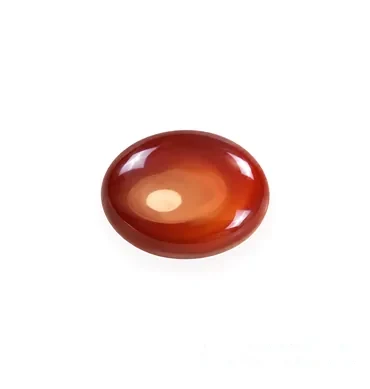
- Red and orange (carnelian): the classic aqeeq of men's rings. See red agate.
- Banded black and white (Sulemani): named after Hazrat Sulaiman in popular tradition. See Sulemani agate.
- Black: often chosen for a plain, formal ring. See black agate.
- Yellow and honey: see yellow agate.
- White and milky: see white agate.
- Green: see green agate and moss agate.
Yemeni and other aqeeq
Yemen has the oldest name in the aqeeq trade, and "Yemeni aqeeq" is used for deep red, translucent stones that glow from inside when held to light. Agate is also found in Iran, India, Brazil and elsewhere, and much of the stone sold in Pakistan comes through those routes. Origin cannot be proven by eye, so treat any origin label as a description of style unless a lab report says otherwise. Our guide to aqeeq for men compares Yemeni and Iranian aqeeq in more detail.
How to choose a genuine aqeeq
Agate is inexpensive, so the usual problem is dyed agate or glass sold as natural stone. Look for:
- Uneven, natural colour: real aqeeq shows slight changes of tone and soft bands. Flat, painted-looking colour is a warning sign.
- A warm glow in light: good carnelian lights up orange-red from inside when you hold a torch behind it.
- No round bubbles: under a loupe or phone macro lens, perfect round bubbles mean glass.
- Disclosure: dyed agate is common and acceptable when it is declared and priced as dyed.
Our article on spotting dyed and glass aqeeq covers these tests step by step. Price follows colour, translucency, polish and size, and you can shop by budget starting with the lowest band.
Choosing a size and shape
For a man's ring, an oval or cushion stone that covers most of the width of the little finger is the usual choice, set flat or slightly domed. Smaller stones suit women's rings and pendants. A domed cabochon shows the glow of carnelian best, while a flat table is easier to engrave. If you plan to have the stone engraved, choose an even, clean surface with no bands crossing the letters, and ask the engraver to check the stone before cutting.
Wearing and caring for aqeeq
Silver is the customary setting for a man's aqeeq ring; women wear aqeeq in silver or gold. A bezel setting protects the edges from knocks. Clean the stone with warm soapy water and a soft brush, dry it well, and keep it away from bleach and strong cleaners, which can affect dyed stones. Store it apart from harder stones so it does not get scratched.
Other stones in Muslim tradition
Dur-e-Najaf
Dur-e-Najaf, "the pearl of Najaf", is clear natural quartz (rock crystal) linked by name to the holy city of Najaf. It is especially loved in Shia families. Read our Dur-e-Najaf guide or browse Dur-e-Najaf stones.
Feroza
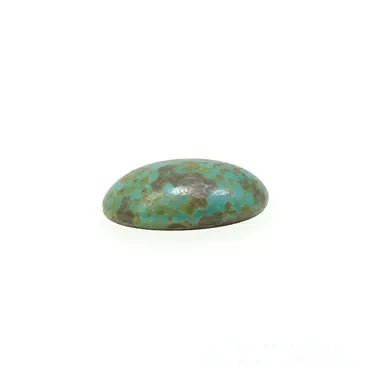
Feroza (turquoise), whose Persian name is linked with victory, has been worn across Iran and South Asia for centuries, with Nishapur feroza the most famous. Read our Feroza guide or browse feroza.
Moh-e-Najaf
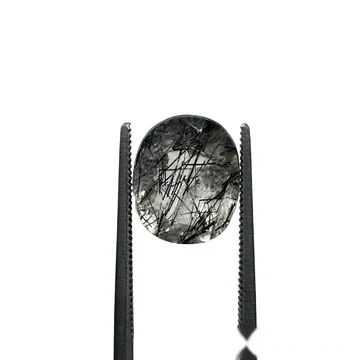
Moh-e-Najaf, "the hair of Najaf", is quartz threaded with fine golden needles of rutile. Read our Moh-e-Najaf guide or browse Moh-e-Najaf stones.
Tasbih stones
Prayer beads are made in aqeeq, feroza, Dur-e-Najaf, tiger eye, hematite and other stones, in 33 and 99 bead strings. Our tasbih guide explains how to choose one.
Buying from GemStore
We sell natural stones only, never synthetic or lab-created, and disclose known treatments. Each stone is photographed on its own, a certificate is available on request, and independent lab testing can be arranged. You can pay Cash on Delivery anywhere in Pakistan and open the parcel to check the stone before paying the rider. See our delivery details and how we check every stone.
References
Related