
Known in Urdu as Marjan
Natural Red Coral (Marjan) Stone in Pakistan
Red coral, called marjan in Pakistan and moonga across the subcontinent, is the one stone in our collection that was grown rather than mined. It is the skeleton of colonies of tiny sea creatures, built up over decades, and that slow growth together with strict harvesting limits is what makes fine coral valuable. Below the stones you will find how to judge colour and origin, how to spot dyed and reconstituted coral, and how to care for a marjan ring.
- Stones listed
- 35
- Delivery
- Flat Rs. 500 shipping
Red Coral
Showing 1–20 of 35 stones
Red Coral stones
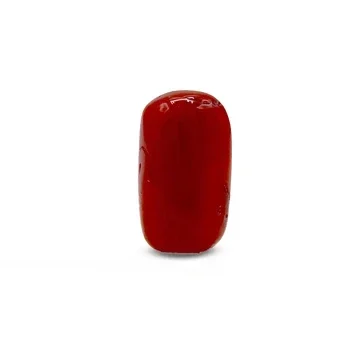
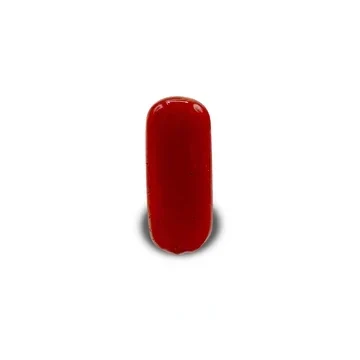
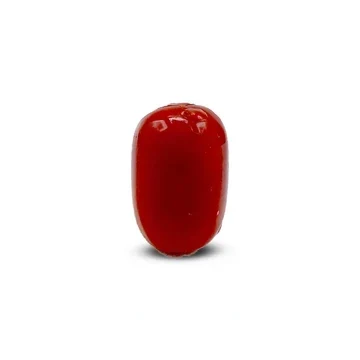
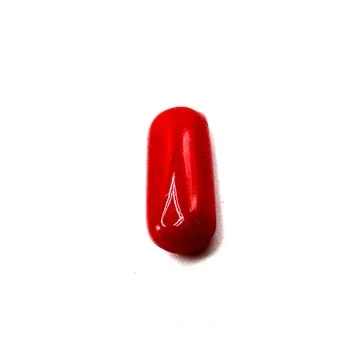
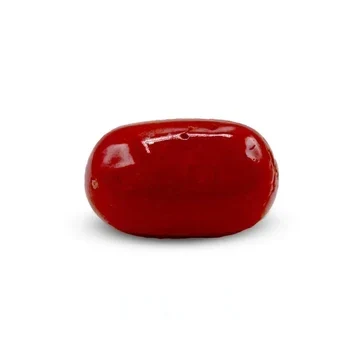
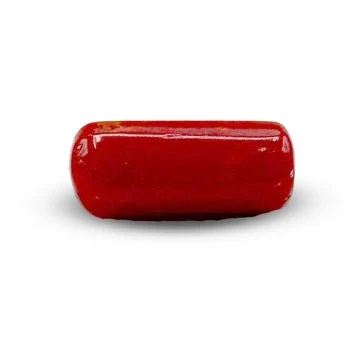
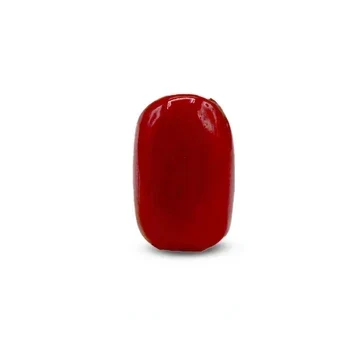
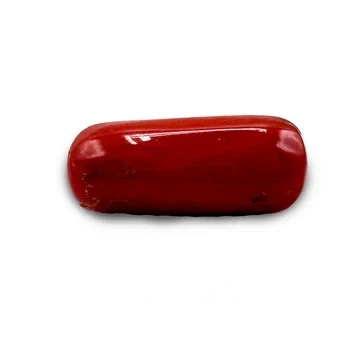
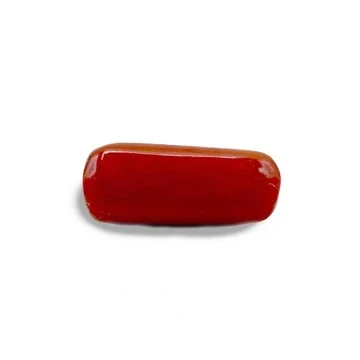
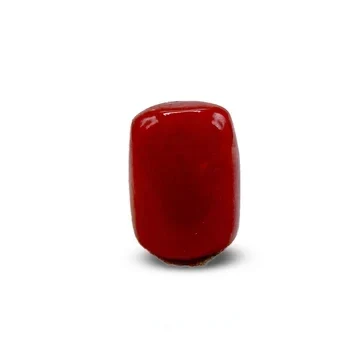
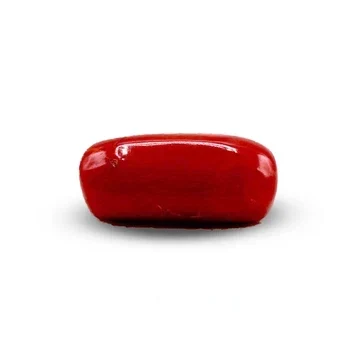
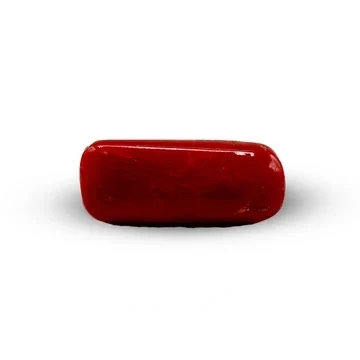
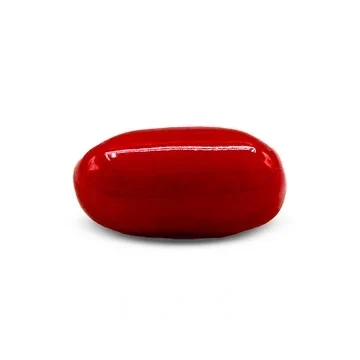
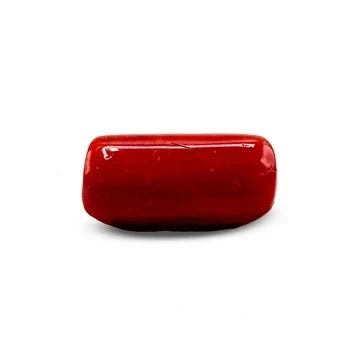
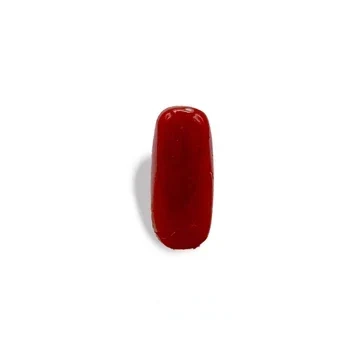
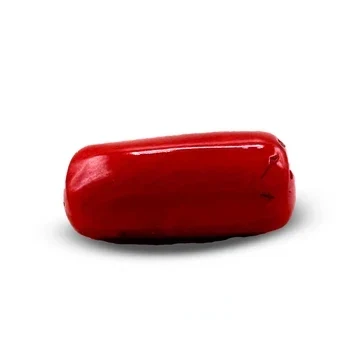
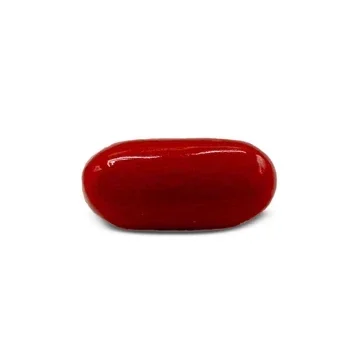
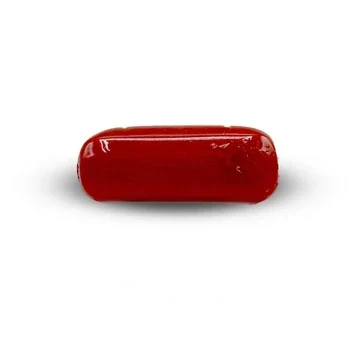
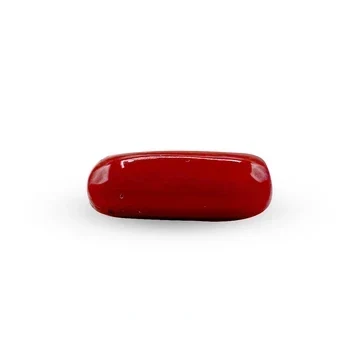
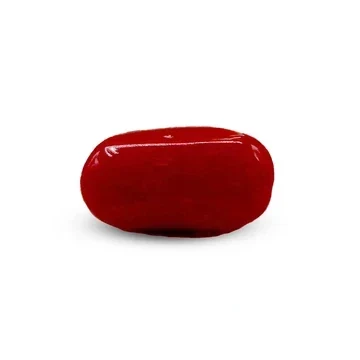
An Organic Gem
Gem coral is made of calcium carbonate laid down by colonies of Corallium polyps on rocky ledges in the Mediterranean and the western Pacific. Gem-quality material is dense and fine-grained, opaque rather than transparent, and has no crystal structure to facet. Instead it is cut into smooth cabochons, ovals, beads and carvings, where its beauty lies in even colour and a deep polish. Colours run from pale pinkish-orange to the saturated deep red often called "ox-blood", which is the most sought after.
Coral by Origin
Where coral comes from shapes both its look and its price:
| Origin | Typical character |
|---|---|
| Mediterranean (Italian) - Corallium rubrum from around Sardinia, Corsica and Algeria | Fine, dense grain and an even deep red; the classic choice for rings and usually the most sought after. |
| Japanese - including the "Aka" and "Moro" types from waters around Japan and Taiwan | Often reaches larger sizes; can lean slightly lighter or more orange. |
| Taiwanese and other Pacific coral | Generally paler and more affordable; useful when size matters more than the very deepest colour. |
Be aware that some market names sound like origins but actually describe imitations: "sea bamboo" and dyed, reconstituted coral are common and are not the same material.
What Drives the Price
Coral is sold by the carat, and colour moves the price first, size second. A pale or patchy five-carat stone can cost a fraction of an evenly saturated one of the same weight. Per-carat rates rise steeply for larger pieces, because big, clean, well-coloured coral is genuinely scarce, and Mediterranean material usually sits above Pacific coral of similar appearance. Each listing shows the price for that exact stone.
Natural Coral or Imitation?
- Growth lines: under magnification, real coral shows fine parallel striations along its length and subtly uneven colour.
- Dye: dyed coral looks flat and uniform, with colour gathering in pits and around drill holes.
- Reconstituted coral: coral powder bound with resin, often too even in colour and lacking natural growth structure.
- Glass and plastic: may show bubbles, mould marks or a warm, light feel.
- Hardness: natural coral is soft, 3 to 4 on the Mohs scale, so it scratches more easily than most gems.
Because coral is calcium carbonate, a drop of acid such as lemon juice will make it fizz faintly - but that damages the surface, so we don't recommend trying it on a stone you have bought. A trained eye and a lab report are the reliable routes; independent testing can be arranged on request.
Marjan in Tradition
In Vedic astrology red coral is associated with Mars (Mangal) and is one of the nine navratna stones. It is traditionally worn for courage, energy and decisiveness, usually set in silver or gold on the ring finger. In Pakistan it is also simply a much-loved ring stone for its colour, worn with no astrological intent at all. These are traditional beliefs, not guaranteed outcomes; if you are buying for astrological reasons, ask an experienced astrologer about the right weight and setting for you.
Looking After a Coral Ring
Coral needs more care than most gems. Perfume, hairspray, household cleaners and chlorinated water all dull its polish, so put the ring on after these and take it off for swimming. Never use ultrasonic or steam cleaners. Wipe it with a soft, slightly damp cloth and store it separately so harder stones can't scratch it. Treated this way, good coral keeps its colour for many years.
Buying Marjan from GemStore
Every red coral here is one individual stone, photographed as it is and priced on its own measured weight. We inspect each piece, disclose treatment where known, and never sell dyed or reconstituted material as natural coral. A certificate of authenticity is available on request. Orders are dispatched within 1-2 working days by insured, tracked courier to every city in Pakistan, with flat Rs. 500 shipping per order. Pay Cash on Delivery after inspecting the stone, and return or exchange it within 7 days of delivery if it isn't what you expected - details are in our return and refund policy.
Red Coral price per ratti in Pakistan
Worked out from the red coral GemStore lists, grouped by weight. Per-ratti figures use the standard gem ratti of 0.91 carat; the price of each stone is the one on its own listing. Use the carat to ratti converter or see all gemstone prices.
| Weight | Weights | Stones | Per carat | Per ratti |
|---|---|---|---|---|
| 3 – 6 carat | 3.4 – 6.0 ct | 5 | Rs 1,350 – Rs 1,500 | Rs 1,250 – Rs 1,350 |
| 6 – 10 carat | 6.2 – 9.7 ct | 26 | Rs 1,350 – Rs 2,000 | Rs 1,250 – Rs 1,800 |
| Over 10 carat | 11.0 – 17.0 ct | 4 | Rs 1,500 – Rs 1,900 | Rs 1,350 – Rs 1,750 |
Want it in a ring? Get this stone set in a silver ring — pick a stone here, send your ring size, and we confirm on WhatsApp.
Keep reading: Our red coral guide · Urdu & English stone names
Related stones: Emerald · Labradorite · Lapis Lazuli · Moonstone · Amethyst · Aquamarine