
Shop by purpose
Gemstones by Purpose: Choosing a Stone by Intention مقصد کے مطابق پتھر
In short: In Pakistan many people choose a gemstone for what it is traditionally meant to support: protection, confidence, love, calm, prosperity or faith. These links come from Vedic astrology, Persian and Islamic custom, and family folk belief. They are beliefs, not results, so start with the intention, then narrow your choice by colour and budget.
In Pakistan many people choose a gemstone for what it is traditionally meant to support: protection, confidence, love, calm, prosperity or faith. These links come from Vedic astrology, Persian and Islamic custom, and family folk belief. They are beliefs, not results, and this guide sets them out plainly so you can choose with clear eyes.
- Traditions covered
- Vedic, Persian and Islamic, folk
- Intentions
- 6
- Payment
- Cash on Delivery, inspect before paying
Pages in this guide
- حفاظت Gemstones for Protection and Against Nazar Gemstones by purpose Read
- کامیابی Gemstones for Confidence and Success Gemstones by purpose Read
- محبت Gemstones for Love and Harmony Gemstones by purpose Read
- سکون Gemstones for Calm and Focus Gemstones by purpose Read
- خوشحالی Gemstones for Wealth and Prosperity Gemstones by purpose Read
- روحانیت Spiritual Gemstones: Aqeeq, Dur-e-Najaf and More Gemstones by purpose Read
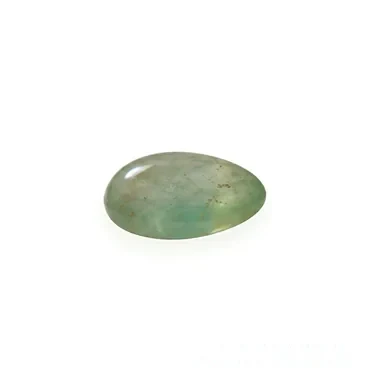
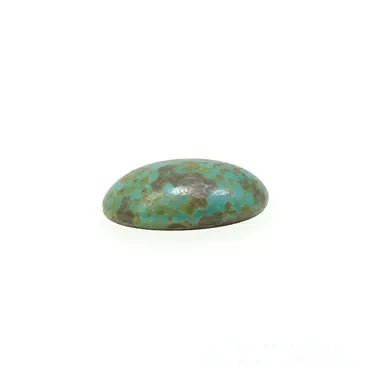
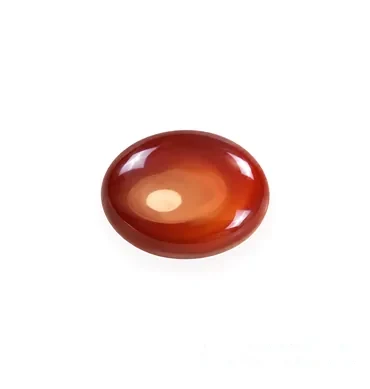
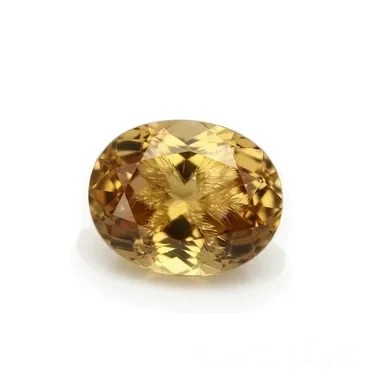
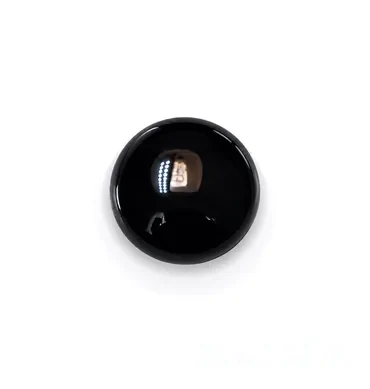
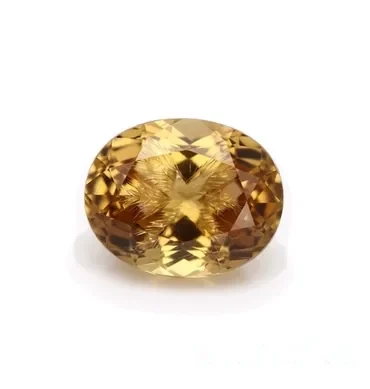
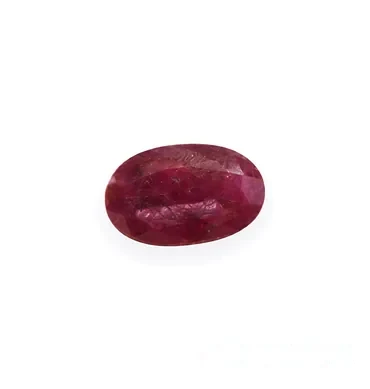

GemStore team — written by the people who list and pack every stone.
Reviewed on
Traditional belief vs gemmology: anything on this page about luck, protection, planets, healing or religious tradition describes traditional and cultural beliefs — not proven effects, religious rulings or medical advice. A stone's identity, hardness, treatment and origin are gemmology, which a lab can test; the references at the end of the page cover that side.
How the tradition works
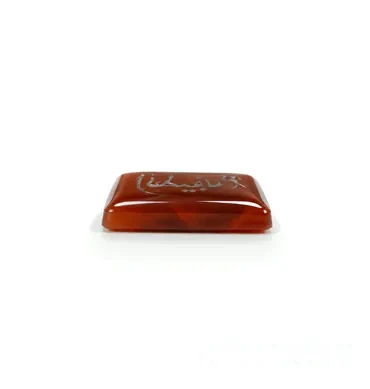
Three strands meet in Pakistani households. Vedic astrology links each of nine planets to a stone, such as Pukhraj for Jupiter or Yaqoot for the Sun, and an astrologer picks one from a birth chart. Persian and Islamic custom gives a special place to Aqeeq, Feroza and Dur-e-Najaf, worn as rings, often engraved, and valued for their association with respected figures and places. Folk belief fills the gaps: black stones against nazar, green stones for business, white stones for a calm mind.
The six intentions
- Protection: Aqeeq, black agate, Sulemani and Lehsunia, worn against the evil eye.
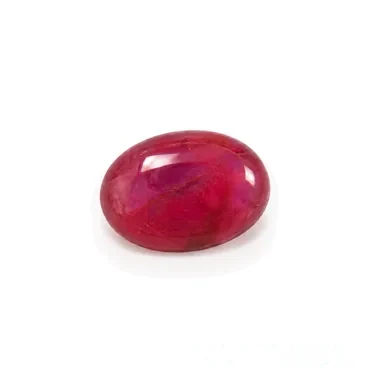
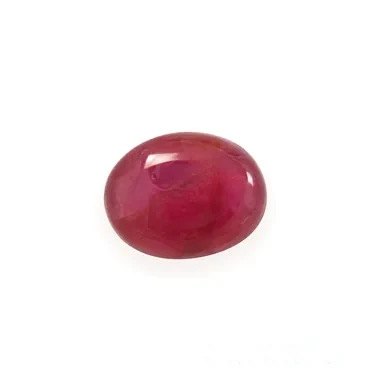
- Confidence and success: Yaqoot, Marjan and tiger eye.
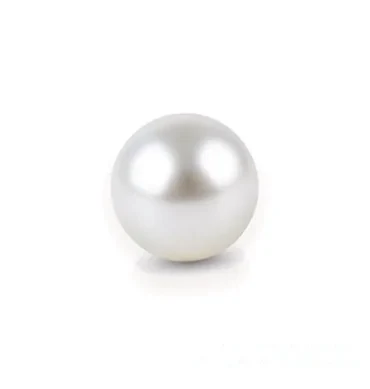
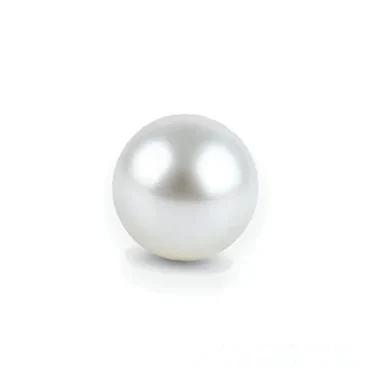
- Love and harmony: opal, white topaz, Moti and moonstone.
- Calm and focus: Moti, Jamunia, Beruj and Zamurd.
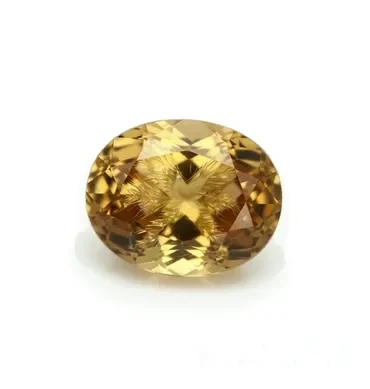
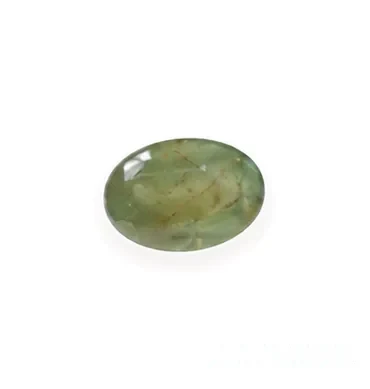
- Wealth and prosperity: Pukhraj, Zamurd and Sunehla.
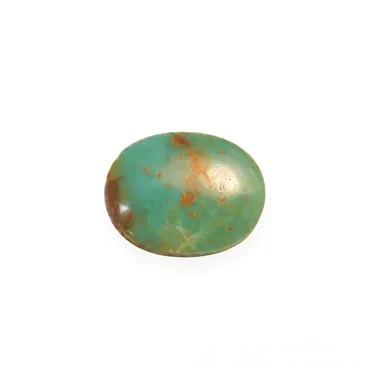
- Spiritual: Aqeeq, Dur-e-Najaf, Moh-e-Najaf and Feroza.
A careful word before you buy
No gemstone changes your health, income or relationships, and we will never tell you otherwise. Vedic traditions also warn that some stones, Neelam in particular, should only be worn on proper advice, so many families consult their own astrologer first. For religious questions, ask your own scholar. What we can promise is the stone itself: natural, with known treatments disclosed, and a certificate on request.
Choosing well
Start with the intention, then narrow by colour and budget. Popular choices such as Aqeeq, Pukhraj and Moti come in a wide spread of qualities. Our lowest budget filter is a sensible place to start with a first stone. Pay on delivery and open the parcel to check the stone before you pay the rider.
References
Related