
Gemstone origins · Khyber Pakhtunkhwa
Kohistan Peridot: Zabarjad From Pakistan's High Mountains کوہستان کا زبرجد
In short: Kohistan peridot is mined in the Sapat area of Kohistan, at very high altitude close to the snowline in the mountains of Khyber Pakhtunkhwa. Since reaching the market in the 1990s, it has set a high standard for peridot: large, clean stones with a bright, lively green and little of the brownish tint seen elsewhere.
Kohistan peridot is mined at very high altitude in the mountains of Khyber Pakhtunkhwa. Since it reached the market in the 1990s it has set a high standard for peridot: large, clean stones with a bright, lively green and little of the brownish tint seen in many other sources.
This page covers where it is found, why it forms there, how it compares with peridot from elsewhere, how origin is and is not proven, and what to look for when you buy Zabarjad.
- Region
- Kohistan, Khyber Pakhtunkhwa
- Stone
- Peridot (Zabarjad)
- Mineral
- Olivine
- Known for
- Large, clean, bright green stones
- On the market since
- The 1990s
- Mining
- High altitude, summer only
- Common treatment
- Rarely treated
From the vault
Shop peridot and green stones

GemStore team — written by the people who list and pack every stone.
Reviewed on
Where Kohistan peridot is found
Kohistan is the rugged mountain country along the Indus north of Hazara, between Swat to the west and the Kaghan valley to the east. The peridot workings are in the Sapat area, high on steep slopes close to the snowline. Getting there means a long climb on foot from the nearest road, and the mines are buried under snow for much of the year.
Work is only possible in the short summer season. Miners carry tools and supplies up, dig through the warm months and bring rough down before the weather closes in. From the valleys, most rough goes to Peshawar for sale and cutting.
The geology in plain words
Peridot is the gem form of olivine, a green mineral made of magnesium, iron and silica. Olivine is extremely common deep in the earth, in the mantle beneath the crust, but it is rarely found at the surface in clear, gem-quality crystals.
Kohistan was once a chain of volcanic islands. When India collided with Asia, this island arc was squeezed between the two, and slices of the deep rock beneath it were pushed up to the surface. Some of that rock is rich in olivine. Later, cracks and veins opened in it, and in those spaces clear olivine crystals grew large enough to cut. The peridot is often found with serpentine and magnetite in these veins.
The balance of iron and magnesium controls the colour. Kohistan peridot has enough iron for a strong green but not so much that it turns olive or brown.
A short history
The name Zabarjad comes from Zabargad, an island in the Red Sea that was the main ancient source of peridot. For most of the twentieth century, gem peridot came mainly from a handful of places, and large clean stones were uncommon.
That changed when the Kohistan deposit came onto the market in the 1990s. Stones of a size and clarity that had been rare suddenly became available, and Pakistani peridot quickly became a reference point for the trade. Output has varied from year to year with weather, access and how much effort the mining teams put in. We do not quote production figures, because reliable numbers are not published for these small workings.
What Kohistan peridot looks like
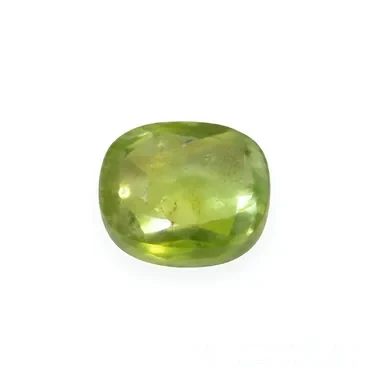
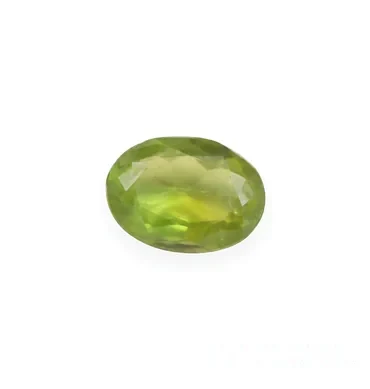
- Colour: bright, fresh green, from slightly yellowish green to a deep grass green. The most sought-after stones have very little yellow or brown.
- Size: large clean stones are possible. Stones of ten carats and more were once rare and are now cut regularly, although the biggest fine stones are still uncommon.
- Clarity: often very clean to the eye.
- Inclusions: under magnification, some Pakistani peridot shows very fine, hair-like needles and small round "lily pad" discs. These are natural and can help a laboratory identify the stone.
- Lustre: peridot is doubly refractive, so under a loupe the back facet edges often look doubled. This is a useful check against glass.
How Kohistan compares with other peridot
| Source | Typical look | Typical size |
|---|---|---|
| Kohistan, Pakistan | Bright, lively green, little brown | Medium to large, often clean |
| Arizona, USA | Yellowish to olive green | Mostly small |
| Myanmar (Burma) | Deep, rich green | Medium to large, fine stones scarce |
| China | Yellowish to mid green | Mostly small to medium |
| Zabargad, Red Sea | Fine green, historic source | Rarely seen in the trade now |
These are tendencies. A fine Burmese stone and a fine Kohistan stone can look the same, and peridot sold as Afghan often comes through the same markets and looks very similar.
How origin is proven, and how it is not
A seller cannot prove Kohistan origin by colour, size or story. The peridot trade in Peshawar handles material from more than one source, and parcels can mix. A gem laboratory can confirm that a stone is natural peridot and may sometimes comment on origin from its inclusions and chemistry, but origin reports for peridot are less common than for emerald or ruby, and the cost rarely makes sense except for large, fine stones.
For most buyers, what matters is that the stone is natural peridot, untreated and well cut. Peridot is rarely treated, which is good news, but glass and synthetic stones do circulate. Our article on peridot pricing and the Kohistan factor explains how origin feeds into price.
Buying Kohistan peridot: practical advice
- Look for pure green. The less yellow or brown in the stone, the better. View it in daylight and under a warm bulb; good peridot stays green in both.
- Expect clarity. Because clean Kohistan material exists, eye-visible inclusions should lower the price noticeably.
- Check the cut. A well-proportioned stone sparkles evenly. A deep, lumpy pavilion keeps weight but makes the stone look dark and dull.
- Use a loupe. Doubled facet edges suggest peridot; round gas bubbles suggest glass.
- Mind the setting. Peridot is softer than sapphire and can chip on a hard knock. For a ring worn every day, choose a setting that protects the edges.
- Compare by the right ratti. The standard gem ratti is 0.91 carat; the jeweller's ratti is about 0.61 carat. Use the carat to ratti converter before comparing quotes.
From rough to cut stone
Kohistan rough usually reaches cutters in Peshawar and Lahore as broken crystals and pebbles rather than whole, well-shaped crystals. A cutter first studies each piece for cracks and inclusions, then plans how to get the best colour and the most weight from it. Large rough is often sawn into two or more stones, because one big stone with a crack in it is worth less than two clean smaller ones.
Peridot is fairly soft for a gem and can be tricky to polish, so a careful cutter works slowly to avoid a hazy surface. A good finish shows as crisp facet edges and an even shine; a hurried one leaves fine scratches and rounded edges you can see with a loupe.
Caring for peridot
Clean peridot with lukewarm soapy water and a soft brush. Avoid ultrasonic cleaners, sudden temperature changes and acids, including strong lemon juice and some household cleaners, which can dull the polish. Store it apart from harder stones such as sapphire and topaz.
Peridot prices
Peridot price rises steeply with size and with purity of green. A small stone with a yellowish tint is very affordable; a large, clean, deep green stone is a different purchase. The table below is built from our own peridot listings and refreshed monthly.
| Weight | Weights | Stones | Per carat | Per ratti |
|---|---|---|---|---|
| Under 3 carat | 0.9 – 3.0 ct | 9 | Rs 1,650 – Rs 4,700 | Rs 1,500 – Rs 4,300 |
| 3 – 6 carat | 3.0 – 4.0 ct | 5 | Rs 2,700 – Rs 5,400 | Rs 2,500 – Rs 4,900 |
See also the monthly price guide, or browse stones under 5,000 rupees.
Peridot at GemStore
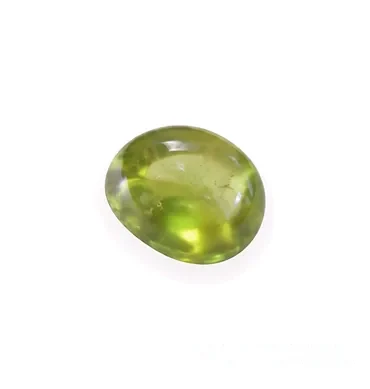
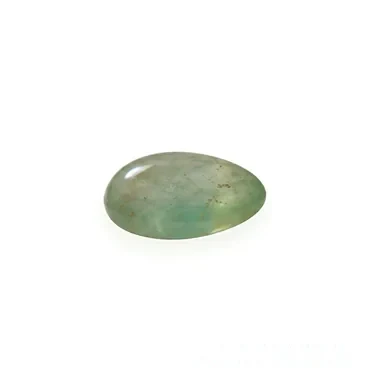
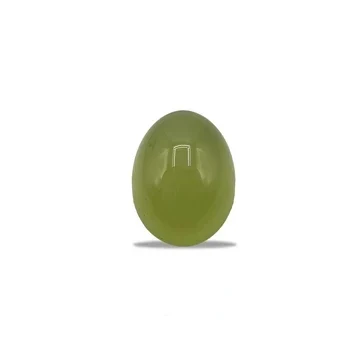
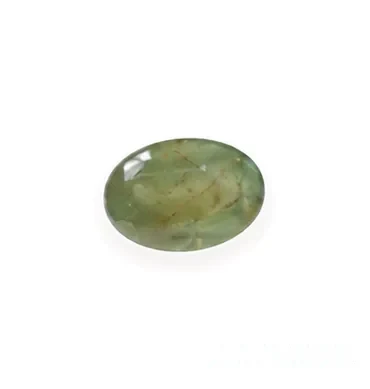
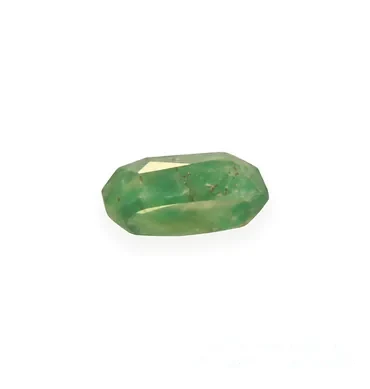
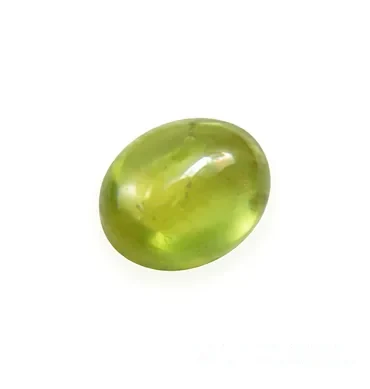
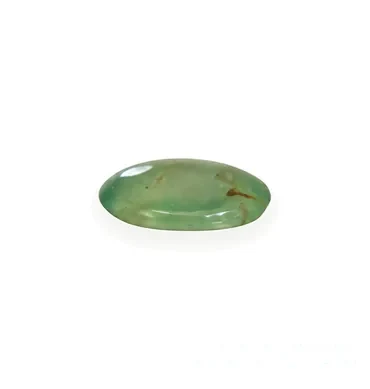
Our current peridot listings are labelled by the origin supplied to us; examples include this 0.95 carat Zabarjad and this 1.75 carat peridot listed as Afghan. Each stone has its own photo and price, and you can open the parcel before paying with cash on delivery. Browse all peridot, read about peridot as August's birthstone, or see lab-certified peridot.
References
Related
- Gemstone Mines of Pakistan: Regions, Stones and Honest Origin Claims
- Gemstone Origins: Where Pakistan's Favourite Stones Come From
- Peridot Pricing: Colour, Clarity and the Kohistan Factor
- Peridot (Zabarjad): August's Birthstone From Pakistan's Mountains
- Lab-Certified Peridot (Zabarjad)
- August Birthstone: Peridot (Zabarjad)