
Ruby (Yaqoot)
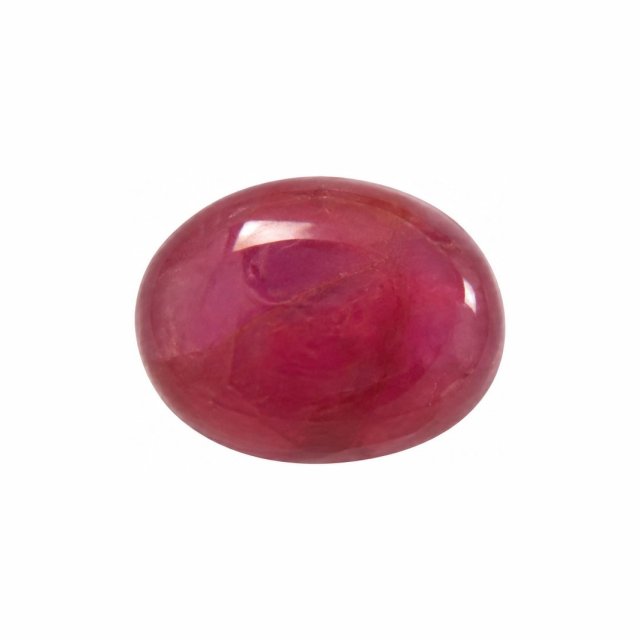
There is no single fixed ruby stone price in Pakistan. The value of a ruby, known locally as Yaqoot or Manik, depends on several important factors including colour, clarity, origin, treatment status, carat weight, cut and independent laboratory certification. Ruby is the red variety of the mineral corundum, coloured by…
3 items found
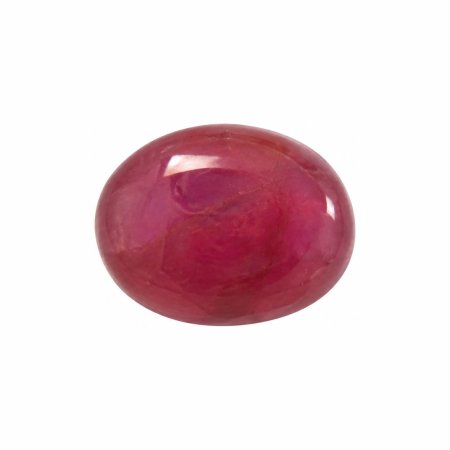
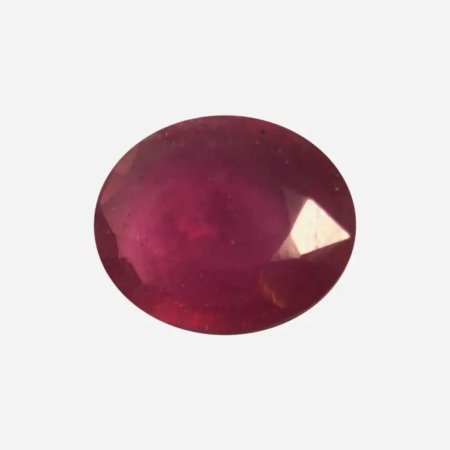
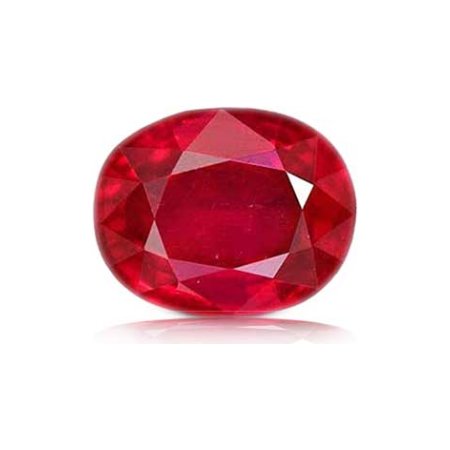
Ruby Stone Price in Pakistan 2026: Complete Yaqoot & Manik Guide
There is no single fixed ruby stone price in Pakistan. The value of a ruby, known locally as Yaqoot or Manik, depends on several important factors including colour, clarity, origin, treatment status, carat weight, cut and independent laboratory certification. Ruby is the red variety of the mineral corundum, coloured by chromium, and ranks 9 on the Mohs hardness scale, making it one of the most durable precious gemstones. In Pakistan it is highly valued both for jewellery and for traditional astrological use linked to the Sun.
Pakistani sources such as the Hunza Valley in Gilgit-Baltistan and the Neelum Valley in Azad Kashmir produce distinctive material often called Anari ruby because of its pomegranate-like red colour. These local stones sit alongside imported material from Afghanistan, Myanmar (Burma), Mozambique, Thailand and Africa that reaches Pakistani markets through trading hubs, especially Peshawar. This comprehensive guide provides realistic 2026 price ranges, explains the factors that drive value, covers availability across all major cities of Pakistan, and offers practical buying advice for local customers as well as buyers from India, the UAE, Saudi Arabia, the United States, the United Kingdom and other important markets. For a wider view of the market, see our gemstone prices in Pakistan guide.
Ruby Stone Price Snapshot 2026 (PKR per Carat)
The following table shows approximate retail price ranges currently seen in the Pakistani market. Prices fluctuate with international gem markets and the USD-PKR exchange rate, so these figures serve as a practical guide rather than fixed quotations. If you are used to weighing stones in ratti, use our ratti to carat conversion tool.
| Type / Quality | Price per Carat (PKR) | Typical Characteristics |
|---|---|---|
| Synthetic / Lab-created | 500 – 2,000 | Uniform colour, no natural inclusions |
| Commercial natural (often treated) | 2,000 – 15,000 | African or Thai origin, frequently glass-filled or heated |
| Good natural (Hunza Anari / solid Afghan) | 5,000 – 25,000+ | Attractive colour, suitable for everyday wear and astrology |
| Fine natural | 15,000 – 80,000 | Strong colour saturation and better clarity |
| Premium certified (Burmese / Mozambique) | 80,000 – 500,000+ | High-quality colour, often with laboratory reports |
| Exceptional unheated Pigeon Blood | 500,000+ | Rare, vivid “pigeon blood” red, fully certified |
A small commercial-grade stone of 2–3 carats may cost only a few thousand rupees, while a fine 2-carat certified unheated Burmese or high-grade Mozambique ruby can reach several hundred thousand rupees. Larger fine stones command even higher per-carat prices because size and quality multiply value.
What is a Ruby Stone?
Ruby belongs to the corundum family, the same mineral group that produces blue sapphire (Neelam) and yellow sapphire (Pukhraj). Pure corundum is colourless; the presence of chromium creates the red colour that defines ruby. The most prized shade is a pure, vivid red with a slight bluish undertone known internationally as “pigeon blood.” In the Pakistani market a slightly pinkish-red tone often called Anari (pomegranate) is also highly appreciated, especially in locally mined Hunza material. Read Ruby vs Sapphire: What's the Difference? to understand how the two compare.
Ruby has a refractive index between 1.76 and 1.78 and strong red fluorescence under ultraviolet light, which adds to its visual appeal. Because of its hardness of 9, it is suitable for daily wear in rings, pendants and earrings when properly set. In South Asian tradition the stone is associated with the Sun and is recommended by many astrologers for people born under Leo or Aries, or for those seeking to strengthen solar influences in their birth chart. See all gemstones by zodiac sign.
Ruby Mining in Pakistan
Pakistan produces ruby primarily from marble-hosted deposits in the Hunza Valley (areas such as Ganesh, Aliabad and surrounding localities) and from Neelum Valley in Azad Kashmir. These deposits yield material that is typically pinkish-red to medium red with noticeable fluorescence. Fine untreated pieces from these localities are valued for their natural character and local provenance. Larger commercial volumes of ruby reaching Pakistan come through the Afghan border (Jegdalek material) and through international trade channels from Mozambique, Myanmar and Thailand.
Ruby Stone Price Breakdown by Origin
Hunza / Pakistani Anari Ruby
Locally mined stones generally range from PKR 5,000 to 25,000+ per carat for good quality material. Exceptional eye-clean pieces with strong colour can go higher. These rubies are popular for both jewellery and astrological use because of their natural appearance and fluorescence. Browse our Original Anari Ruby.
Afghan / Kabuli Ruby
Material from Afghanistan, especially Jegdalek, is widely available in Peshawar. Prices typically fall between PKR 5,000 and 40,000 per carat depending on colour and clarity. Many pieces show attractive red tones and are offered in both treated and untreated form.
Burmese (Myanmar) Ruby
Stones from the Mogok region still command the highest premiums. Certified fine-quality material starts around PKR 80,000 per carat and can exceed PKR 500,000 for unheated pigeon-blood examples. Availability of top material is limited.
Mozambique Ruby
Since the discovery of the Montepuez deposits, Mozambique has become a major commercial source. Fine stones with good colour are available from approximately PKR 20,000 to 150,000+ per carat, offering a more accessible alternative to Burmese material.
African and Thai Ruby
Commercial-grade stones from various African sources and treated Thai material usually range from PKR 2,000 to 15,000 per carat. These are common in the lower and middle segments of the Pakistani market.
Lab-created and Synthetic Ruby
These stones offer consistent colour at the lowest prices (PKR 500–2,000 per carat). They must be clearly disclosed as laboratory-grown and should never be sold as natural.
Factors That Affect Ruby Stone Price
Colour, Clarity and Origin
Colour is the most important value factor. A pure, vivid red with strong saturation and minimal brown or orange secondary hues brings the highest prices. Clarity is evaluated by the naked eye; stones that appear clean without magnification are preferred, although natural inclusions are expected and can even help confirm authenticity. Origin influences price because certain localities (especially Mogok) carry historical prestige and distinctive optical characteristics.
Treatment, Cut, Carat Weight and Certification
Treatment status is critical. Unheated stones command significant premiums. Heat treatment is widely accepted when disclosed, but glass filling (lead-glass composite) substantially reduces value and must be clearly stated. Cut quality affects brilliance and overall appearance. Larger carat weights increase price per carat non-linearly for fine material. Strong red fluorescence is considered desirable. Finally, an independent laboratory report from a reputable gemmological laboratory adds trust and can increase market value, especially for higher-priced stones. Learn why certified gemstones matter.
Ruby Availability Across Major Cities of Pakistan
Peshawar
Peshawar remains the primary trading centre. The famous Namak Mandi market handles large volumes of rough and cut gemstones arriving from northern Pakistan and Afghanistan. Buyers looking for wholesale quantities or a wide selection of origins often start here.
Karachi, Lahore, Islamabad and Rawalpindi
Karachi offers a strong retail and export environment with numerous jewellery shops and gem dealers, particularly in areas catering to both local customers and international trade. Lahore has a well-developed jewellery market and a growing number of specialised gemstone retailers. Islamabad and Rawalpindi serve the capital region with both traditional shops and modern stores offering certified material.
Gilgit, Hunza, Skardu and Other Cities
Gilgit, Hunza and Skardu function as first-stage trading points for locally mined stones. Material from these northern areas often moves south to Peshawar or is sold directly to collectors and jewellery makers. Other important cities including Faisalabad, Multan, Hyderabad, Quetta, Gujranwala, Sialkot and Muzaffarabad have active jewellery markets where ruby stones are regularly available. Many online sellers now offer nationwide Cash on Delivery covering virtually every major city and town in Pakistan, making it possible for customers in smaller centres to purchase with confidence. GemStore.pk offers nationwide delivery with Cash on Delivery.
Government-supported gem identification laboratories associated with the Pakistan Gems and Jewellery Development Company operate in several major cities, providing testing services that help buyers verify authenticity and treatment status.
International Demand for Ruby
India remains one of the strongest markets for ruby because of deep cultural and astrological traditions surrounding Manik or Yaqoot. Demand from the UAE and Saudi Arabia is driven by both the large South Asian diaspora and the luxury jewellery sector. The United States and United Kingdom represent important high-value markets for certified fine stones. China and Hong Kong continue to play significant roles in the global coloured-gem trade, while Thailand functions as a major cutting and trading hub. European buyers, particularly in Switzerland and other centres of fine jewellery, seek exceptional untreated material. Pakistani dealers who can supply well-documented Hunza or certified imported stones find interest across these countries.
How to Identify Original Ruby Stone
Natural rubies usually show some internal characteristics under magnification. Completely flawless stones of significant size should be examined carefully. Colour should appear rich and natural rather than overly uniform. A reputable laboratory report is the most reliable way to confirm identity, origin and treatment. Buyers should always ask whether the stone is natural, whether it has been heated or glass-filled, and whether a report is available. Simple hardness tests are not practical for finished jewellery, so professional testing is recommended for higher-value purchases. For a step-by-step checklist, read How to Identify Original Ruby (Yaqoot): 5 Simple Checks.
Buying Guide for Ruby in Pakistan
Choosing the Right Ruby
Decide your purpose first—jewellery, investment or astrological use—because this influences the quality and budget required. Examine colour and clarity in different lighting conditions. Request full disclosure of origin and treatment. Prefer stones accompanied by laboratory reports when spending significant amounts. Compare prices across reputable dealers in Peshawar, Karachi, Lahore and online platforms that offer Cash on Delivery and return policies. New to buying online? Read how to buy gemstones online in Pakistan.
Ruby Care and Storage
Once purchased, clean the stone gently with warm water and mild soap; avoid harsh chemicals and ultrasonic cleaners if the stone has been glass-filled. Store it separately from harder or softer gems to prevent scratches.
Ruby for Astrology
For astrological purposes many traditional practitioners recommend a minimum weight and specific metal settings, but these considerations should be discussed with a qualified advisor. The physical quality and authenticity of the stone remain the foundation of any purchase. You can also explore birthstones by month.
Ruby Price Trends and Market Outlook
Supply from Mozambique continues to influence commercial availability, while fine unheated Burmese material remains scarce and expensive. Local Hunza production is limited and irregular, supporting prices for better-quality Pakistani stones. Currency movements and international demand, particularly from India and the Gulf, affect retail levels in Pakistan. Demand for certified untreated stones is expected to remain firm through 2026 and 2027. For the full picture, read our Ruby Stone Complete Guide.
Frequently Asked Questions About Ruby Price in Pakistan
What is the current ruby stone price in Pakistan?
Prices range from approximately PKR 500 per carat for synthetic material to over PKR 500,000 per carat for exceptional unheated pigeon-blood rubies. Most commercial natural stones fall between PKR 2,000 and 80,000 per carat depending on quality.
What is the price of a 1-carat, 2-carat or 5-carat ruby?
A commercial 1-carat stone may cost a few thousand rupees, while a fine 1-carat certified piece can reach tens or hundreds of thousands. Larger fine stones increase in per-carat value.
What is the difference between Hunza Anari and Burmese pigeon blood prices?
Hunza Anari material is generally more affordable (typically PKR 5,000–25,000+ per carat for good stones). Fine Burmese pigeon-blood rubies command significantly higher prices, often starting from PKR 80,000 and rising substantially for unheated certified examples.
Is glass-filled ruby worth buying?
Glass-filled stones are inexpensive and can look attractive, but they are less durable and hold lower long-term value. They should always be disclosed and priced accordingly.
How can I check if a ruby is original in Pakistan?
Request a laboratory report from a recognised gem testing facility. Examine the stone for natural inclusions and ask the seller for full treatment disclosure. Major cities have access to testing laboratories. See our 5 simple checks for original ruby.
Where are the best places to buy certified ruby in Karachi, Lahore, Peshawar and Islamabad?
Peshawar’s Namak Mandi remains the largest wholesale centre. Karachi, Lahore and Islamabad offer reputable retail jewellers and specialised gem dealers. Online sellers with clear certification and return policies also serve these cities, including certified gemstones at GemStore.pk.
What is the Yaqoot price for astrology use?
Astrological-grade stones are often selected more for weight and planetary association than for top jewellery quality. Prices typically fall in the commercial to good natural range, but authenticity remains essential.
What is the difference between natural and lab-created ruby prices?
Lab-created rubies cost a fraction of natural stones (usually PKR 500–2,000 per carat) because they are produced in controlled conditions rather than formed in the earth over geological time.
Is delivery available in major cities of Pakistan?
Yes. Many established sellers offer nationwide Cash on Delivery covering Karachi, Lahore, Islamabad, Peshawar, Faisalabad, Multan, Hyderabad, Quetta and most other cities and towns. See our shipping information.
What about pricing and shipping for buyers in India, UAE, USA and UK?
International buyers should expect additional shipping, insurance and possible customs costs. Prices are usually quoted in PKR or USD. Certified stones with clear documentation are preferred for cross-border purchases. Contact us for an international quote.
Shop Ruby and Related Gemstones
Browse our ruby collection: Original Anari Ruby, Original Ruby Stone and Original Red Ruby Stone. You may also like Blue Sapphire (Neelam), Yellow Sapphire (Pukhraj), Emerald (Zamurd) and Red Coral (Marjan), or view all gemstone collections.
Explore Ruby (Yaqoot) Further
Shop
Guides
Frequently Asked Questions
What is the price of Ruby (Yaqoot) in Pakistan?
Ruby price in Pakistan depends on colour, clarity, carat weight, origin and treatment. Burmese pigeon-blood rubies are the most valuable. At GemStore.pk each Ruby is individually priced with its weight and quality shown.
How can I tell if a Ruby is real?
A genuine Ruby has a vivid red colour, good hardness (9) and fine natural inclusions rather than bubbles. Because glass-filled and synthetic rubies are common, we support laboratory verification for every stone we sell.
What is the difference between Burmese and Mozambique ruby?
Burmese (Myanmar) rubies are famous for their intense "pigeon-blood" red and command the highest prices. Mozambique rubies offer beautiful colour and clarity at more accessible prices, making them very popular today.
Who should wear a Ruby?
In astrology Ruby is the stone of the Sun and is traditionally worn for confidence, vitality and leadership. Consult a qualified astrologer to confirm it suits your chart before wearing.
Do you deliver Ruby across Pakistan?
Yes. We deliver Yaqoot with cash on delivery to Karachi, Lahore, Islamabad, Rawalpindi, Faisalabad, Multan, Peshawar and every city in Pakistan.
Find Your Perfect Gemstone
Speak with our gem experts for guidance on authenticity, pricing, and the right stone for you. Nationwide cash on delivery.