In this article
- Five rules that protect almost every stone
- Why some stones need more care than others
- Care table for common gemstones
- How to clean gemstone jewellery
- Storing your stones
- Wearing habits that make a difference
- Signs a piece needs a jeweller
- Looking after astrological rings
- Choosing a stone that suits your life

GemStore team — written by the people who list and pack every stone.
Reviewed on
Short answer: for hard, untreated stones such as sapphire, ruby, topaz, aquamarine, garnet and amethyst, a soak in lukewarm water with a few drops of mild soap, a gentle brush and a careful rinse is all you need. Emerald, opal, pearl, turquoise, lapis and moonstone need gentler handling: a soft damp cloth only, no soaking, no ultrasonic or steam cleaners, and no chemicals. Store every piece separately so harder stones cannot scratch softer ones, and take rings off before housework, sport and swimming.
Most damage to gemstones comes from habits rather than accidents: the wrong cleaner, a jewellery box where everything rubs together, or a ring left on while scrubbing pots. Below you will find why stones differ, a care table for common gems, step-by-step cleaning methods, storage advice, and special notes for astrological rings.
Five rules that protect almost every stone
- Put jewellery on last (after perfume, lotion and hair spray) and take it off first.
- Remove rings for cleaning, cooking, gardening, the gym, swimming and sleep.
- Clean with mild soap and lukewarm water, or a damp cloth for delicate stones – nothing stronger.
- Store each piece on its own, in a soft pouch or a lined compartment.
- Have settings checked regularly, especially on rings worn every day.
Why some stones need more care than others
Three properties decide how a stone should be treated:
- Hardness (the Mohs scale, 1–10) is resistance to scratching. Ordinary dust contains quartz, which is hardness 7, so stones softer than 7 can slowly lose their polish just from being wiped with a dusty cloth.
- Toughness is resistance to chipping and breaking. It is not the same as hardness: emerald is fairly hard but often brittle because of its fractures, while nephrite jade is softer but very tough.
- Stability is resistance to heat, light, moisture and chemicals. Opal can crack with sudden heat or dryness, some amethyst and kunzite can fade in strong sunlight, and porous stones absorb oils and perfume.
Care table for common gemstones
| Stone | Mohs hardness | Watch out for | Safe cleaning |
|---|---|---|---|
| Sapphire and ruby | 9 | Glass-filled stones are damaged by heat, acids and ultrasonic cleaning | Warm soapy water, soft brush |
| Topaz | 8 | Perfect cleavage: can split from a sharp knock | Warm soapy water |
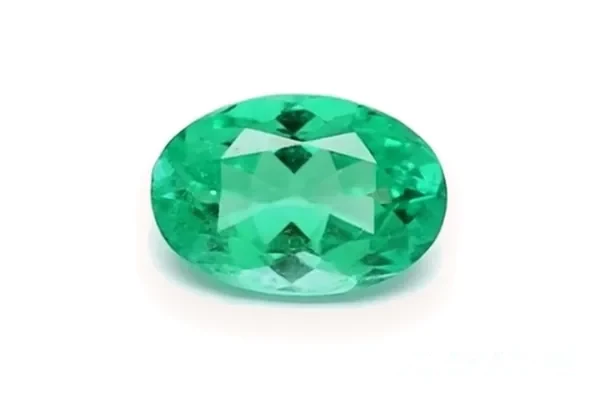
| Emerald | 7.5–8 | Brittle; oil or resin filling affected by heat and solvents | Cool or lukewarm water, soft cloth, no ultrasonic |
| Aquamarine | 7.5–8 | Generally sturdy | Warm soapy water |
| Tourmaline | 7–7.5 | Avoid sudden temperature changes | Warm soapy water |
| Amethyst and citrine | 7 | Colour can fade in prolonged strong light | Warm soapy water |
| Garnet | 6.5–7.5 | Avoid sudden heat | Warm soapy water |
| Peridot | 6.5–7 | Sensitive to acids and sudden heat | Lukewarm soapy water, gently |
| Tanzanite | 6–7 | Brittle; avoid knocks, ultrasonic and steam | Lukewarm soapy water, soft cloth |
| Moonstone and labradorite | 6–6.5 | Cleave easily if knocked | Mild soap, soft cloth |
| Opal | 5.5–6.5 | Heat, dryness and sudden temperature change; never soak doublets or triplets | Damp soft cloth only |
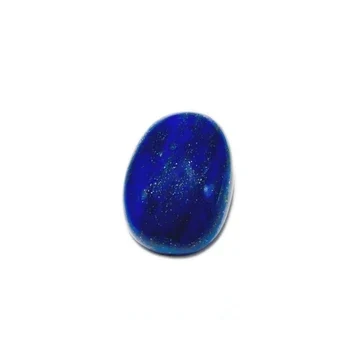
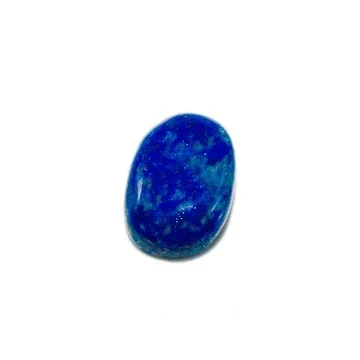
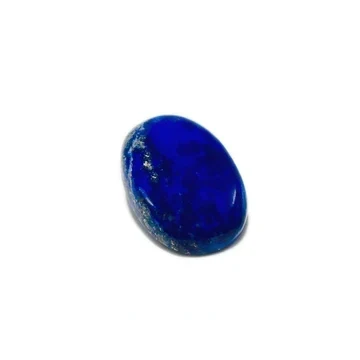
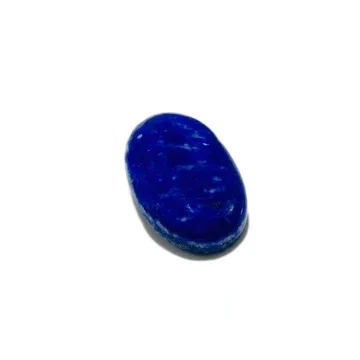
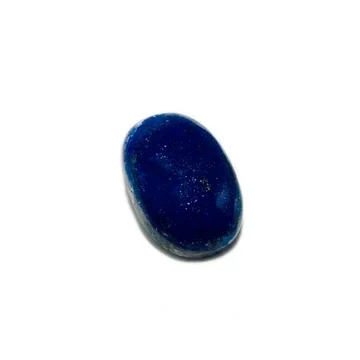
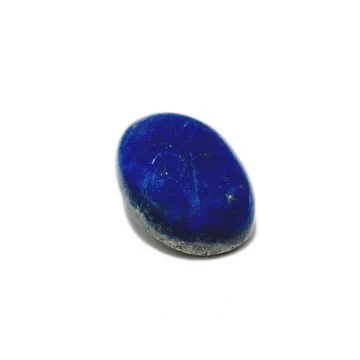
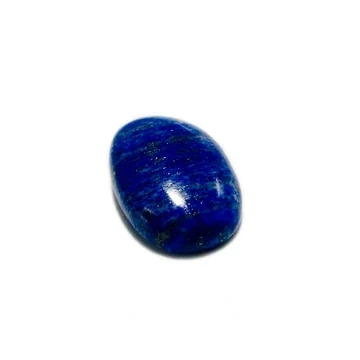
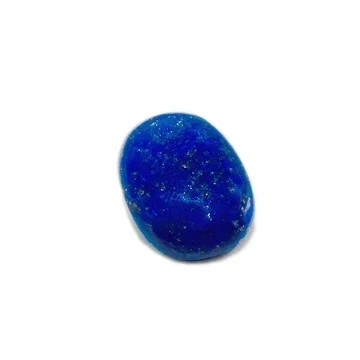
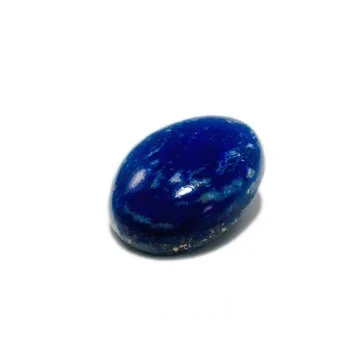
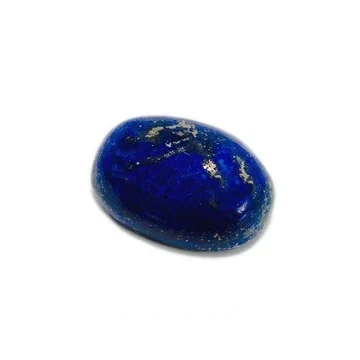
| Turquoise, lapis lazuli and malachite | 3.5–6 | Porous: absorb oils, perfume, sweat and soapy water; malachite is soft and acid-sensitive | Dry or barely damp cloth |
| Pearl and amber | 2–4.5 | Acids, perfume, heat, scratches; amber is also damaged by solvents | Wipe with a soft damp cloth after wearing |
How to clean gemstone jewellery
Method A: hard, non-porous stones
Use this for untreated or heated sapphire, ruby, topaz, aquamarine, tourmaline, garnet, amethyst, citrine and (gently) peridot, provided the stone is not glass-filled and the setting is secure.
- Fill a bowl, not the sink, with lukewarm water and a few drops of mild washing-up liquid.
- Leave the piece to soak for 10–15 minutes to loosen skin oils and dirt.
- Brush gently around and behind the stone with a very soft toothbrush. Dirt trapped under a stone blocks light and is the main reason stones look dull.
- Rinse in clean lukewarm water.
- Pat dry with a lint-free or microfibre cloth and let it air-dry fully before putting it away.
Method B: delicate, porous or treated stones
Use this for emerald, opal, pearl, turquoise, lapis, malachite, moonstone and amber.
- Dampen a soft cloth with plain lukewarm water (not hot).
- Wipe the stone and setting gently. Do not soak.
- Dry straight away with a second soft cloth.
Never brush opal or pearl, never let turquoise or lapis sit in soapy water, and never put an emerald in hot water, which can draw out the oil that hides its fractures. Wipe pearls after each wear, because sweat and perfume slowly dull the nacre.
What never to use
- Ultrasonic cleaners – generally fine for untreated or heated sapphire and ruby, but risky for emerald, opal, pearl, tanzanite, turquoise, moonstone, topaz and any fracture-filled stone.
- Steam cleaners – the sudden heat can crack opal, emerald and heavily included stones.
- Household chemicals – bleach, chlorine, ammonia, vinegar, toothpaste and baking soda can etch porous stones, scratch polish and damage metal. Remove rings before swimming in chlorinated water.
- Paper towels and tissues – their fibres can scratch soft stones and metal. Use microfibre or a jeweller's cloth.
Storing your stones
The most common cause of a scratched stone is another stone. A sapphire loose in a box with an opal or a pearl will scratch it. Keep each piece in its own soft pouch or lined compartment, and:
- keep opal away from heat and very dry air – in a dry winter, a slightly damp cloth stored nearby (not touching) can help;
- keep amethyst, citrine, kunzite and rose quartz out of direct sunlight;
- let pearls breathe: avoid sealed plastic bags, and wear them regularly;
- store silver settings with an anti-tarnish strip – tarnish does not harm the stone but dulls the metal.
Wearing habits that make a difference
Rings take the most punishment. An astrological stone worn day and night in an open-back setting should have its claws checked by a jeweller every few months, because replacing a lost stone costs far more than tightening a prong. Bezel settings, which wrap metal around the stone's edge, protect softer stones such as opal and turquoise better than claws.
Signs a piece needs a jeweller
- The stone moves, rattles or turns in its setting.
- Claws look bent, thin or worn – silver wears faster than gold.
- An emerald's fractures have become more visible; a lapidary may be able to re-oil it.
- A hard stone looks scratched or dull; professional re-polishing can usually restore it.
If you are unsure whether a piece needs attention, send us a message on WhatsApp and we will tell you what to look for.
Looking after astrological rings
An astrological ring usually touches the skin all day, so it gathers more skin oil and sweat than other jewellery. Clean it about once a week with Method A or B, depending on the stone. Many people also follow the tradition of rinsing the ring in raw milk or clean water on the planet's day. That is harmless for sapphire, ruby, yellow sapphire and garnet, but do not soak pearl, coral, opal or emerald. Tradition also holds that a chipped or cracked stone should be replaced. For more on wearing customs, see neelam benefits and how to wear it and gemstones by rashi.
Choosing a stone that suits your life
Care starts before you buy. If you want a ring to wear every day, choose a hard, tough stone such as sapphire, ruby or garnet; keep opal, pearl and turquoise for pendants, earrings or occasional wear. Browse the GemStore collection – each stone is photographed as it is and priced individually – and ask us if you would like advice on durability before you choose.
References