
In this article

GemStore team — written by the people who list and pack every stone.
Reviewed on
Short answer: most fine blue sapphire sold today comes from Sri Lanka (Ceylon) and Madagascar, with Myanmar (Burma) supplying smaller quantities of premium stones. Kashmir sapphire is real but extremely rare, and genuine stones are almost always sold through specialist auctions with laboratory reports. Origin can change a sapphire's price a great deal, but it is an expert laboratory opinion, not something a seller or buyer can judge by eye – so any origin claim without a report should be treated as marketing.
That last point matters in Pakistan, where "Kashmiri neelam" is one of the most common labels in the market. This guide explains how sapphires form, what each major source tends to look like, how laboratories reach an origin opinion, how heating fits in, and how to choose a stone sensibly whether you are buying for jewellery, astrology or a collection.
Two geological families
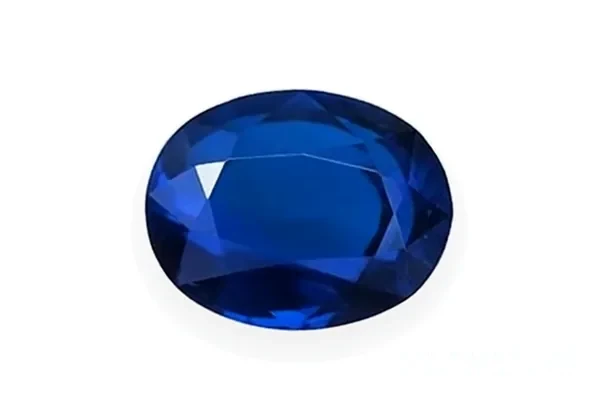
Blue sapphire is corundum coloured by iron and titanium. It forms in two broad environments, and these explain most of the differences buyers notice:
| Metamorphic-type deposits | Basalt-related deposits | |
|---|---|---|
| Examples | Kashmir, Myanmar, Sri Lanka, much of Madagascar | Thailand, Cambodia, Australia, Nigeria and parts of East Africa |
| Typical colour | Brighter, purer blues; can look soft or velvety | Darker, inky blues, often with a green or grey tint |
| Iron content | Lower | Higher |
| Market preference | Usually higher prices | More affordable |
Keep three principles in mind: origin is an opinion based on evidence; only a limited number of well-equipped laboratories issue it with authority; and a beautiful stone from a modest source is still a better buy than a poor stone with a famous name.
The main sources, one by one
Sri Lanka (Ceylon)
For most buyers, this is the source that matters. Sri Lankan sapphires range from light, bright cornflower blues to vivid medium blues, are often lively and eye-clean, and can be found in larger sizes. Ratnapura is the best-known gem district. A large share of the fine neelam sold in Pakistan is Sri Lankan, and much of our blue sapphire collection comes from Sri Lanka or Madagascar.
Madagascar
Since major finds near Ilakaka in the late 1990s, Madagascar has become one of the most important sapphire producers in the world. The best stones can rival Sri Lankan and Burmese material and may be hard to separate without a laboratory. Because supply is plentiful, Madagascar sapphire often offers the best value for a vivid blue.
Myanmar (Burma)
Burmese sapphire, mainly from the Mogok area, is known for a rich, saturated "royal" blue that holds its colour well in different lighting. Fine unheated Burmese stones sit near the top of the market and are normally sold with laboratory origin reports.
Kashmir
Sapphire was found in the Padar area of the Zanskar range in the early 1880s, and the deposit's most productive years were short. Classic Kashmir sapphire has a soft, velvety cornflower blue caused by extremely fine inclusions that scatter light. Genuine stones are collector pieces, sold almost exclusively with reports from leading international laboratories. A "Kashmir" stone offered at an everyday price, without such a report, should not be believed.
Pakistan and Afghanistan
Blue sapphire also occurs in Pakistan, for example in the Kaghan Valley area, and across the border in parts of Afghanistan. The stones are usually medium to dark blue, sometimes with a greyish tone, and mostly small. Clean, well-coloured pieces are appreciated locally, and they deserve the same checks as sapphire from anywhere else.
Thailand, Cambodia, Australia and Nigeria
These basalt-related sources produce darker, inkier blues, sometimes greenish in daylight. The stones are durable and affordable and work well in jewellery, but they should be sold as what they are, not as Ceylon or Burma.
How a laboratory decides origin
- Inclusions. Each region tends to produce characteristic inclusions: fine milky bands in Kashmir stones, long rutile needles in many Sri Lankan stones, short dense silk in Burmese stones, and particular crystal and zoning patterns elsewhere. Madagascar can overlap with several of these.
- Trace-element chemistry. Instruments such as LA-ICP-MS and XRF measure elements like iron, gallium, magnesium and titanium. Basalt-related stones are typically iron-rich; metamorphic stones are iron-poor.
- Spectroscopy. Absorption spectra help confirm the cause of colour and can reveal signs of heating.
None of this can be done with a loupe in a shop. When you read a report, look for a clear statement such as "Origin: Sri Lanka" from a named laboratory, with measurements and a photograph that match your stone. Phrases like "Ceylon type" or "Kashmir colour" are sales language, not origin opinions.
Heated and unheated sapphire
Most sapphire on the market has been heated to improve colour and clarity. Heating is permanent and accepted in the trade when it is disclosed, and GemStore states known treatments on each listing. A stone with a report showing no indication of heating sells at a significant premium, and that premium grows with quality and size.
Some treatments are a different matter. Beryllium (lattice) diffusion can change colour deeply, surface diffusion adds a thin coloured layer, and glass filling hides fractures. These must be disclosed and priced accordingly, and they are not suitable for astrological use. Our gemstone buying guide covers treatments across all stones.
How origin affects price
Within the same quality, a documented premium origin (Kashmir, then Burma, then Sri Lanka) can multiply the price of a stone, especially when combined with no heating and large size. Basalt-related sapphires sit at the more affordable end. But origin is only one factor: colour, clarity, cut and size often matter more to how a stone looks on the hand.
We do not publish price lists in our guides. Each listing in our neelam collection shows the price of that individual stone.
Which neelam is right for you?
| Your purpose | What to prioritise |
|---|---|
| Astrological wear | A natural, ideally unheated stone of the weight your astrologer suggests, with a certificate. Sri Lankan and Madagascan stones are sensible choices. See neelam benefits and how to wear it. |
| Jewellery | The most vivid, lively, eye-clean stone your budget allows. A well-cut heated Sri Lankan or Madagascan sapphire usually gives more pleasure than a dark stone bought for a famous name. |
| Collecting | Unheated stones with reports from respected laboratories, in fine colour. Without that documentation, treat the purchase as one for enjoyment. |
The corundum family has other colours too: yellow sapphire (pukhraj), traditionally linked with Jupiter, and purple sapphire. If you want a violet-blue at a lower price, consider tanzanite, keeping in mind that it is much softer than sapphire.
Origin checklist before you pay
- Ask whether the origin is the seller's opinion or a laboratory's.
- If there is a report, check that the weight, measurements and photograph match the stone.
- Check what the report says about heating and any other treatment.
- Compare the stone's colour in daylight, not only under shop lights.
- Be wary of famous names at ordinary prices.
Buying blue sapphire from GemStore
Every blue sapphire we sell is natural and inspected by us before it is listed, with known treatments and, where known, origin stated. A certificate of authenticity is available on request, and independent laboratory testing can be arranged. Learn more about our checks on the authenticity page, then order with Cash on Delivery to Lahore, Karachi, Islamabad or anywhere in Pakistan. Our 7-day return policy applies to stones returned unused in their original condition. For questions about a particular stone, get in touch.
References











