
Gemstone origins · Gilgit-Baltistan
Skardu Aquamarine: Beruj From the Valleys of Baltistan سکردو کا بیروج
In short: Skardu aquamarine comes from pegmatite veins in Baltistan, in the valleys around Skardu and Shigar and up into the Braldu and Haramosh areas. The region is famous for long, clear, six-sided crystals of pale to medium blue Beruj, often standing on white feldspar or silvery mica, mined mostly from small family claims.
Skardu aquamarine comes from the pegmatite veins of Baltistan, in the valleys around Skardu and Shigar and up into the Braldu and Haramosh areas. The region is famous for long, clear, six-sided crystals of pale to medium blue Beruj, often standing on white feldspar or silvery mica.
This page explains where it is found, how it forms, how it compares with aquamarine from other countries, how origin is and is not proven, and how to choose a good stone.
- Region
- Skardu and Shigar, Gilgit-Baltistan
- Stone
- Aquamarine (Beruj)
- Host rock
- Granite pegmatite
- Known for
- Long, clear crystals in pale to medium blue
- Found with
- Feldspar, mica, quartz, tourmaline, topaz
- Common treatment
- Gentle heating to remove green
- Mining
- Small-scale, seasonal
From the vault
Shop aquamarine and blue stones
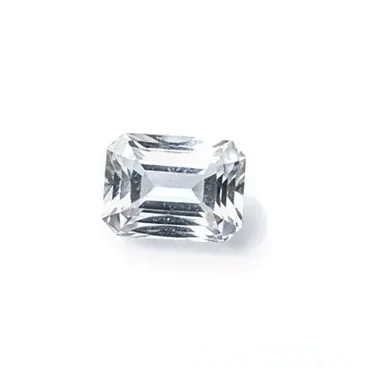
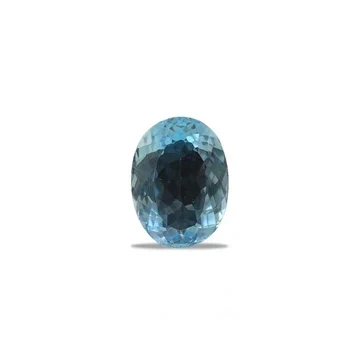
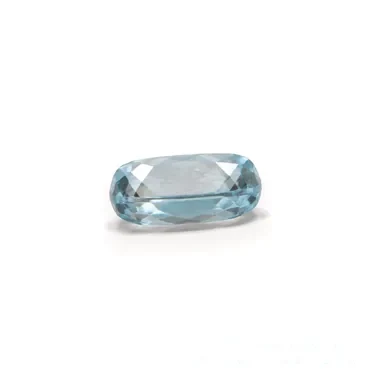
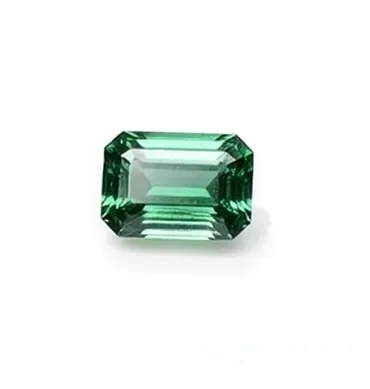
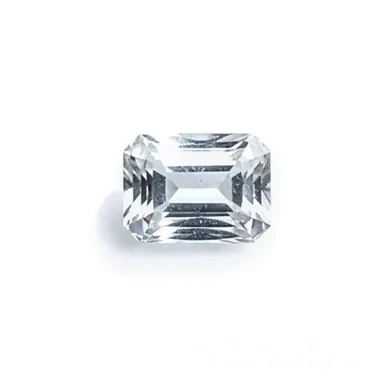
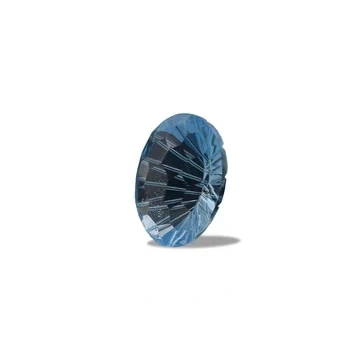
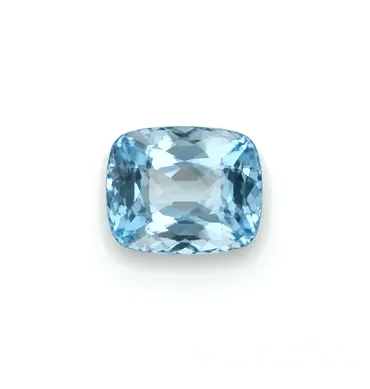
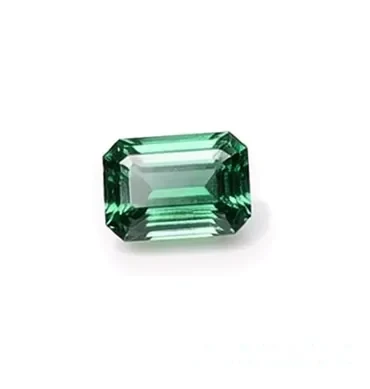
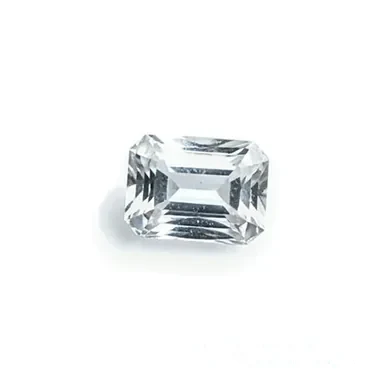
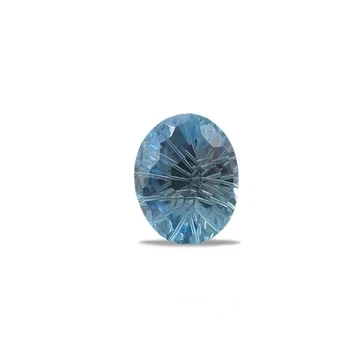
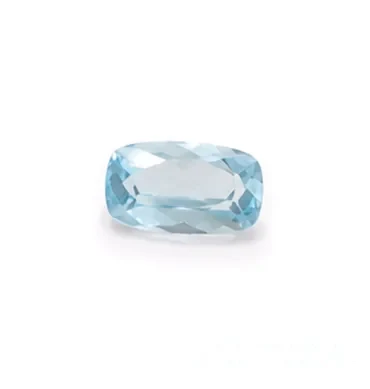

GemStore team — written by the people who list and pack every stone.
Reviewed on
Where Skardu aquamarine is found
Skardu is the main town of Baltistan, set in a wide valley where the Shigar river meets the Indus. To the north and west lie the Shigar and Braldu valleys and the Haramosh range, some of the highest and most rugged country in the world. Aquamarine is mined from pockets in pegmatite veins across these valleys, often on steep slopes far above the villages.
Many of these workings are small family claims. The rough and the crystals come down to villages and then to Skardu, where dealers buy them. A large share goes on to Gilgit, Rawalpindi and Peshawar for sale and cutting.
The work is hard and the season is short. Pockets are often found by following a vein into the mountainside, and a team can spend weeks on a claim before opening a good one. When a rich pocket is found, the crystals must be removed carefully, because a long aquamarine prism breaks easily, and a broken crystal loses much of its value as a specimen.
The geology in plain words
Aquamarine is blue beryl, the same mineral as emerald but coloured by iron instead of chromium. Beryl needs beryllium, which tends to collect in the last, watery stage of a cooling granite.
In Baltistan, granite melts formed deep in the crust as the mountains rose. As they cooled, the final fluid-rich portions squeezed into cracks and set as pegmatite, a very coarse-grained rock. Where gas and water collected, open pockets formed, and in those spaces crystals could grow freely. That is why the aquamarine here so often forms long, well-shaped crystals with flat ends, sometimes many centimetres long, alongside feldspar, mica, quartz, tourmaline and topaz.
Clear crystals that grew in open pockets are what make Baltistan aquamarine good for cutting as well as for collecting.
A short history
Local people have known about the crystals of Baltistan for a long time, but the region became widely known to the gem and mineral trade in the later twentieth century, after road access improved and dealers began buying directly in Skardu. Since then, Shigar and the surrounding valleys have been regular sources of aquamarine for both cutters and collectors.
Mining is small-scale and seasonal, with the high pockets reached only in the warmer months. Production depends on weather, access and luck in finding a good pocket, so we do not quote any figures.
What Skardu aquamarine looks like
- Colour: mostly pale to medium sky blue, sometimes slightly greenish. Deep, saturated blue is less common.
- Clarity: often very clean, especially in material from open pockets.
- Crystal form: long six-sided prisms, often with mica or feldspar attached. Fine crystals are valued as specimens and are sometimes worth more uncut.
- Inclusions: fine parallel tubes and liquid-filled "rain" running along the length of the crystal are common.
- Treatment: greenish aquamarine from many sources is often gently heated to remove the green and give a purer blue. This is stable and widely accepted, but it should be disclosed.
How Skardu compares with other aquamarine
| Source | Typical look | Notes |
|---|---|---|
| Skardu and Shigar, Pakistan | Pale to medium sky blue, often clean | Fine crystals also sold as specimens |
| Afghanistan (Nuristan, Kunar) | Pale to medium blue, very similar | Same mountain system and markets |
| Brazil | Light to deep blue, including some of the most saturated | Wide range; large clean stones |
| Nigeria and Mozambique | Medium to deeper blue | Many clean stones of good size |
| Madagascar | Light to medium blue | Varied quality |
As always, these are tendencies, not rules. Several of our current aquamarines are listed as Afghan, and Afghan and Pakistani material can be indistinguishable to the eye.
How origin is proven, and how it is not
Aquamarine origin is very hard to prove. Pegmatites in Pakistan and Afghanistan formed in similar ways, and rough from both crosses the same markets. A laboratory can confirm that a stone is natural aquamarine and whether it shows signs of treatment, but origin opinions for aquamarine are uncommon and rarely worth the cost for a typical stone.
A specimen bought from a known dealer in Skardu with its matrix intact is better circumstantial evidence than a loose cut stone, but it is still not proof. For most buyers, the useful questions are whether the stone is natural, whether it has been heated and how well it is cut.
Buying Skardu aquamarine: practical advice
- Colour first. Deeper blue costs more. A pale stone can look lovely in a larger size, so compare stones of similar depth of colour.
- Expect clean stones. Eye-visible inclusions should lower the price in aquamarine, because clean material is widely available.
- Look at the cut. Pale stones need good proportions and enough depth to show colour; shallow cuts look washed out.
- Ask about heating. Heated aquamarine is fine to buy; it should simply be declared.
- Check for look-alikes. Blue topaz, glass and synthetic spinel are sold as aquamarine. See buying March's stones and our aquamarine guide.
- Compare by the right ratti. The standard gem ratti is 0.91 carat, the jeweller's ratti about 0.61 carat. The carat to ratti converter helps you compare quotes.
Specimens and cut stones
Baltistan aquamarine reaches buyers in two very different forms. Fine crystals, especially those still attached to feldspar or mica, are sold whole as mineral specimens, and collectors judge them on shape, sharpness, colour and the balance of the piece. Broken crystals and fragments go to cutters. If you are buying a crystal, check for repairs and glued joints, which are common on specimens that broke during mining. If you are buying a cut stone, judge colour, clarity and cut as you would for any aquamarine.
Other beryls from the same pockets
The pegmatites that give aquamarine also give other colours of beryl. Pink to peach morganite and golden heliodor turn up in Shigar and nearby valleys, usually in smaller amounts than aquamarine. Colourless beryl, sometimes called goshenite, is found too. All share aquamarine's hardness and care needs. They are sold under their own names, and a seller should not call a pale greenish beryl "aquamarine" without telling you its true colour.
Caring for aquamarine
Aquamarine is hard and wears well in rings and pendants. Clean it with warm soapy water and a soft brush. Avoid knocks on the corners and keep it away from strong heat. Store it apart from harder stones such as sapphire.
Aquamarine prices
Price depends on depth of blue, clarity, size and cut, with origin playing a smaller part than in emerald or ruby. The table below comes from our own aquamarine listings and is refreshed monthly.
| Weight | Weights | Stones | Per carat | Per ratti |
|---|---|---|---|---|
| Under 3 carat | 1.2 – 2.7 ct | 5 | Rs 1,000 – Rs 19,500 | Rs 900 – Rs 17,500 |
| 3 – 6 carat | 3.2 – 5.5 ct | 5 | Rs 1,300 – Rs 2,100 | Rs 1,200 – Rs 1,900 |
| 6 – 10 carat | 6.1 – 8.8 ct | 3 | Rs 1,000 – Rs 1,700 | Rs 900 – Rs 1,550 |
| Over 10 carat | 12.5 – 65.9 ct | 19 | Rs 380 – Rs 1,650 | Rs 350 – Rs 1,500 |
Aquamarine at GemStore
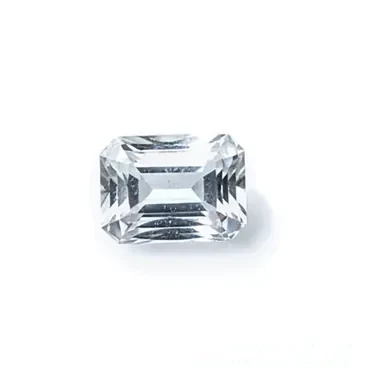
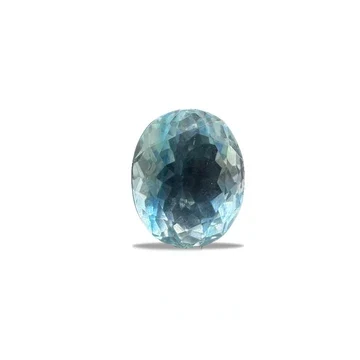
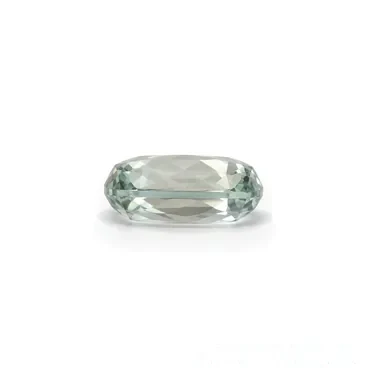
Our current aquamarine listings include this 12.90 carat natural Beruj and this 2.7 carat light blue aquamarine listed as Afghan. The origin shown is the origin as supplied to us. Browse all aquamarine, read about March's birthstone or see lab-certified aquamarine.
References
Related
- Gemstone Mines of Pakistan: Regions, Stones and Honest Origin Claims
- Gilgit-Baltistan Gemstones: Pakistan's Mountain Treasure House
- Gemstone Origins: Where Pakistan's Favourite Stones Come From
- Aquamarine (Beruj) and Bloodstone: Buying March's Stones
- Aquamarine (Beruj): Tradition, Setting and Sensible Choices
- Lab-Certified Aquamarine (Beruj)
- Natural Gemstones in Skardu