
Islamic gemstones
Aqeeq for Men: The Silver Ring Tradition and How to Choose مردوں کے لیے عقیق
In short: An aqeeq ring for a man is traditionally a single stone set in silver and worn on the little finger, following reports of the Prophet's own silver ring. Silver is customary because most scholars discourage gold for men. Customs on which hand to use differ, and Shia custom generally prefers the right hand.
An aqeeq ring for a man is traditionally a single stone set in silver and worn on the little finger, following reports of the Prophet's own silver ring. Customs on which hand to use differ between communities. This page explains those customs, the difference between Yemeni and Iranian aqeeq, and how to check a stone is natural.
- Customary metal
- Silver
- Customary finger
- Little finger
- Hand
- Right or left; customs differ
- Hardness
- 6.5 to 7 Mohs
From the vault
Shop aqeeq for men's rings
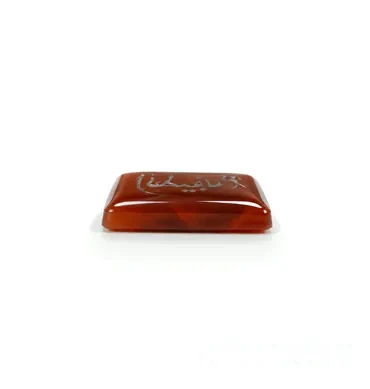
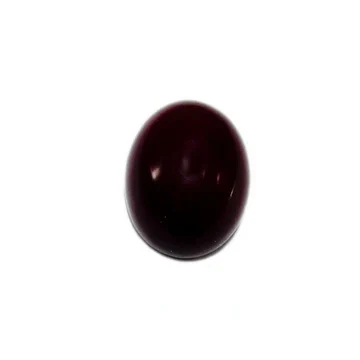
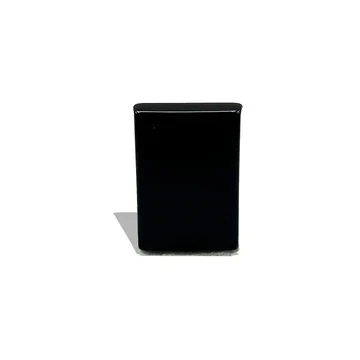
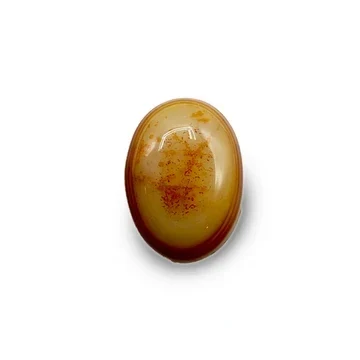
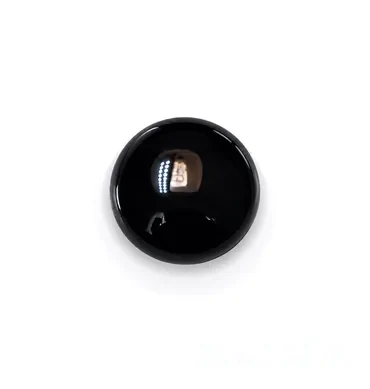
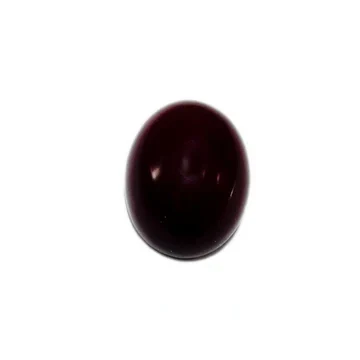
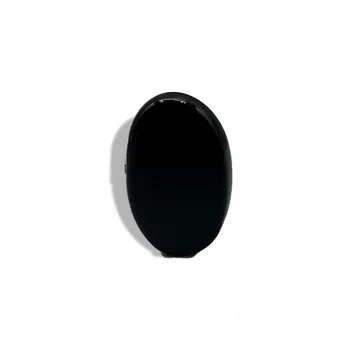
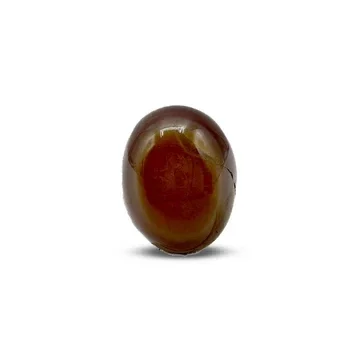

GemStore team — written by the people who list and pack every stone.
Reviewed on
Traditional belief vs gemmology: anything on this page about luck, protection, planets, healing or religious tradition describes traditional and cultural beliefs — not proven effects, religious rulings or medical advice. A stone's identity, hardness, treatment and origin are gemmology, which a lab can test; the references at the end of the page cover that side.
The tradition of the ring
Reports in the major hadith collections describe the Prophet Muhammad (peace be upon him) wearing a silver ring engraved for use as a seal. Many Muslim men wear one ring for that reason and regard it as following the Sunnah. Narrations praising aqeeq by name are also widely cited, though scholars differ on their grading. In Shia practice, wearing aqeeq is recommended in sayings attributed to the Imams, and an aqeeq ring is a common gift at a young man's coming of age, a wedding or a departure for travel or Hajj. These are customs and beliefs, and for a ruling on any of them you should ask a scholar.
Why silver
Silver is the customary metal for men's rings in Muslim practice, because most scholars discourage gold for men. Silver also suits aqeeq's warm reds and browns. A bezel setting, where a rim of metal wraps the stone, protects the edges from knocks at work. Ask your jeweller for a back that is open or thin so light can reach a translucent stone.
Which hand and which finger
- Finger: reports describe the ring worn on the little finger, and some narrations discourage the index and middle fingers. The little finger is by far the most common choice.
- Hand: reports mention both the right and the left hand, and Sunni practice accepts either. Shia custom generally prefers the right hand.
- Washroom: many people remove a ring engraved with Allah's names or Quranic words before entering, out of respect.
If you are having a ring made, our ring size guide shows how to measure your little finger at home.
Yemeni and Iranian aqeeq
Both are agate. The trade names describe a look more than a proven source.
Yemeni aqeeq
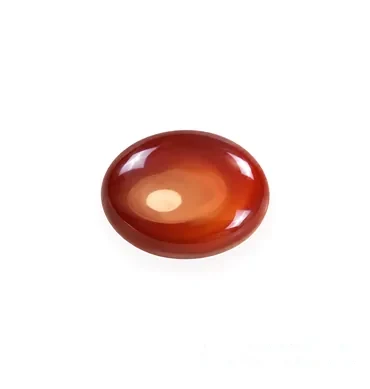
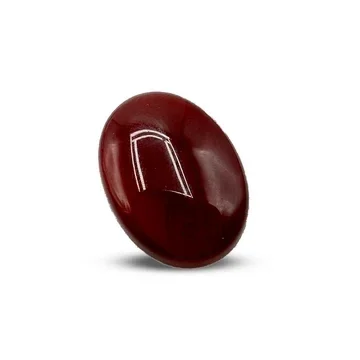
Yemeni aqeeq is known for deep red, liver red and dark orange stones that are translucent and glow from inside when you hold a torch behind them. The colour is usually even with soft, faint banding. It carries the oldest reputation and is the style most men ask for.
Iranian aqeeq
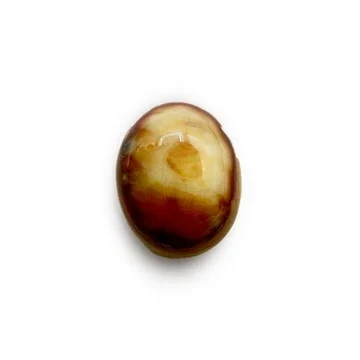
Iranian aqeeq covers a wider range: brown, orange, honey and banded stones, and the patterned agates many shops call "Khorasani". Banding and patterns tend to be more visible, and some stones are less translucent.
What origin can and cannot tell you
No seller can prove origin by looking at a stone. Judge what is in front of you: colour, glow, polish and whether it has been dyed. A good stone is a good stone whatever label it carries.
How to tell real aqeeq
- Light test: natural carnelian glows unevenly, slightly brighter in some places.
- Bubbles: perfect round bubbles under a loupe mean glass.
- Dye: very bright, flat colour or colour pooling in cracks suggests dye. Dyed agate is acceptable only when it is declared.
- Feel: agate feels cool and stays cool a moment; plastic feels warm and light.
Our article on spotting dyed and glass aqeeq covers each test in detail.
Choosing your stone
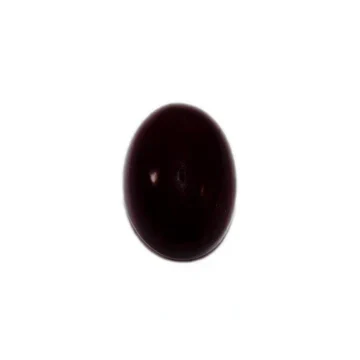
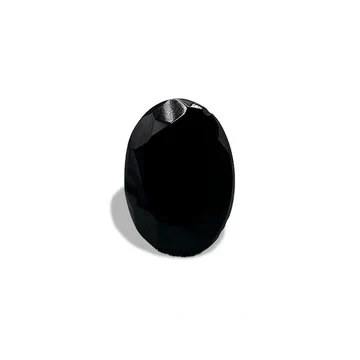
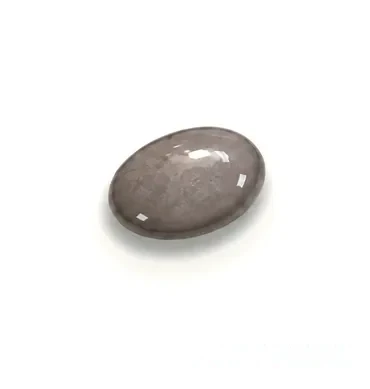
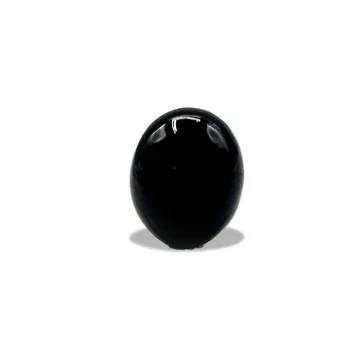
For a classic look choose red agate; for a formal ring, black agate; for pattern, Sulemani agate. Each stone we sell is photographed on its own, so the stone you see is the stone that arrives, and you can open the parcel before paying the rider on Cash on Delivery.
References
Related