
Tasbih
Gemstone Tasbih: Choosing Stone Prayer Beads تسبیح
In short: A gemstone tasbih is a string of 33 or 99 prayer beads cut from natural stone, used to count dhikr. Aqeeq, feroza and Dur-e-Najaf are the traditional choices, with tiger eye, hematite and lapis also popular. Choose by bead size, weight and how well the beads match, and check for glass beads, which show bubbles.
A gemstone tasbih is a string of 33 or 99 prayer beads cut from natural stone, used to count dhikr. Aqeeq, feroza and Dur-e-Najaf are the traditional choices, with tiger eye, hematite and lapis also popular. You can browse the loose aqeeq, feroza and Dur-e-Najaf they are made from.
- Bead counts
- 33 or 99
- Traditional stones
- Aqeeq, feroza, Dur-e-Najaf
- Also used
- Tiger eye, hematite, lapis lazuli
From the vault
Stones used for tasbih
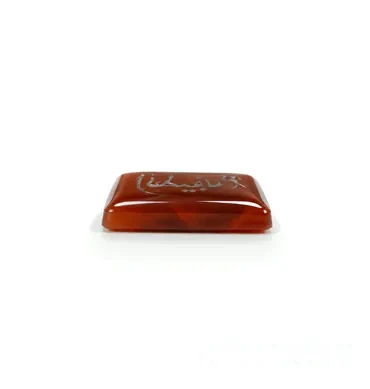
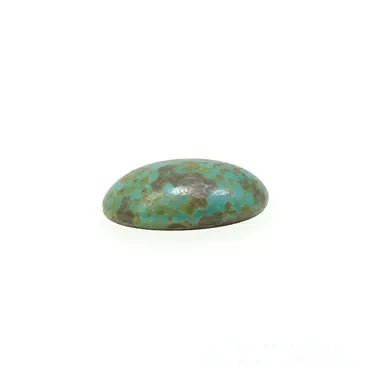
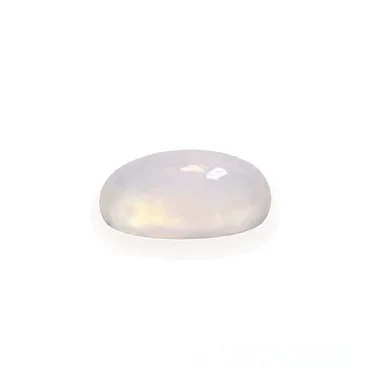
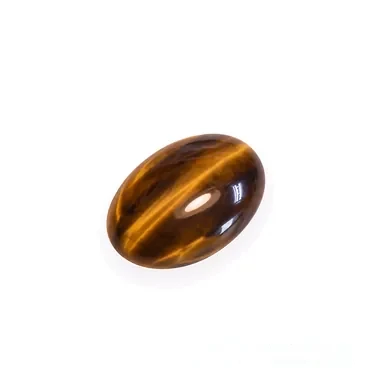
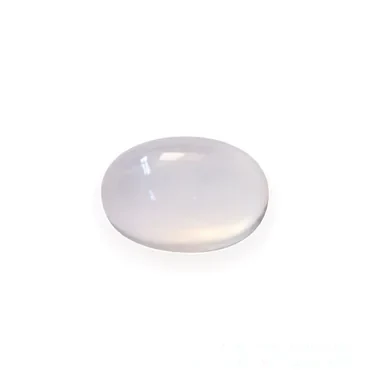
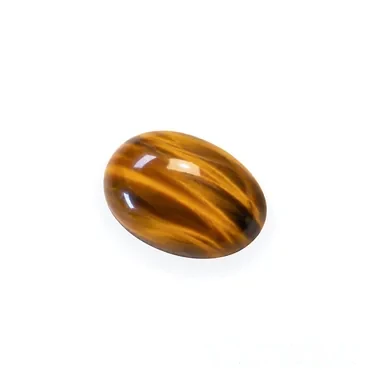
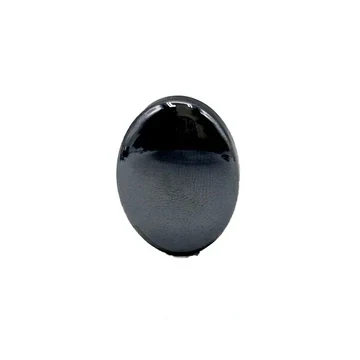
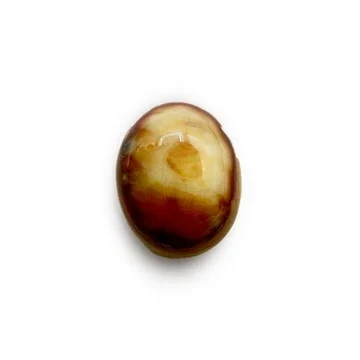
AqeeqFerozaDur-e-NajafTiger EyeHematiteLapis LazuliSulemani Agate



Written by Sohail Hashmi
Reviewed on
Traditional belief vs gemmology: anything on this page about luck, protection, planets, healing or religious tradition describes traditional and cultural beliefs — not proven effects, religious rulings or medical advice. A stone's identity, hardness, treatment and origin are gemmology, which a lab can test; the references at the end of the page cover that side.
Stones for tasbih
Tasbih beads are cut from the same natural stones we list one by one. See the aqeeq, feroza, Dur-e-Najaf and tiger eye stones to compare colours, and message us on WhatsApp if you want a tasbih in a particular stone or bead size.
33 or 99 beads
The 99-bead tasbih matches the 99 names of Allah and is used for longer dhikr. The 33-bead tasbih is smaller and easy to carry, and is commonly used for the tasbih after prayer known as Tasbih-e-Fatima: SubhanAllah 33 times, Alhamdulillah 33 times and Allahu Akbar 34 times. Many tasbih have small marker beads after every 33 and a longer head bead, called the imam.
Stones used for tasbih
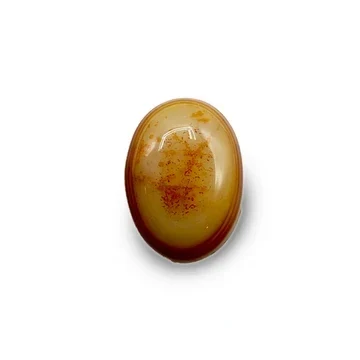
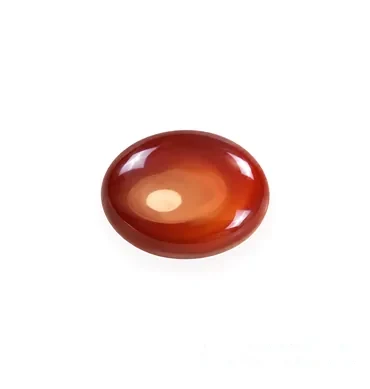
- Aqeeq: the most traditional choice, in red, brown, black or banded Sulemani agate. See our Islamic gemstones guide.
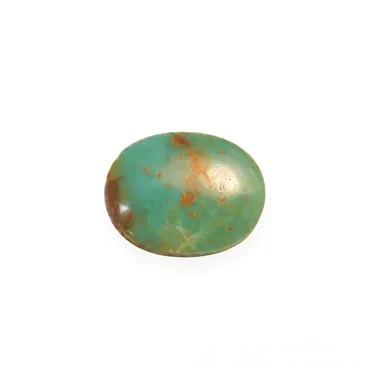
- Feroza: sky-blue turquoise, loved in Persian and Shia tradition. See our feroza guide.
- Dur-e-Najaf: clear quartz beads linked with Najaf. See our Dur-e-Najaf guide.
- Tiger eye: golden-brown beads with a moving band of light. See tiger eye.
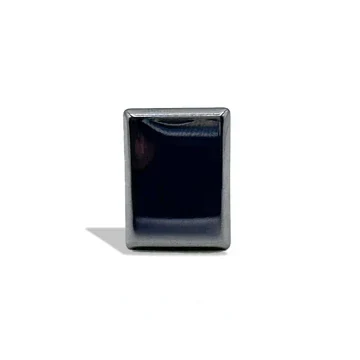
- Hematite: heavy, metallic grey beads that feel solid in the hand. See hematite.
- Lapis lazuli: deep blue Lajward with gold flecks of pyrite. See lapis lazuli.
How to choose
- Bead size: smaller beads suit a pocket tasbih; larger beads are easier to count with older hands.
- Weight: hematite is heavy, quartz and agate are medium, feroza is light.
- Matching beads: natural stone varies, so a set of evenly matched beads takes more sorting and is valued more.
- Genuine stone: glass beads show bubbles and warm quickly; plastic feels light and warm. Ask whether beads are dyed, which is common for agate.
- Thread: strong nylon or silk thread with a knot between some beads lasts longer.
Caring for a tasbih
Wipe beads with a soft dry cloth. Keep feroza and lapis away from water, attar and soap, as both are soft and porous. Hematite can rust if left wet. Store the tasbih in a pouch so harder beads do not scratch softer ones, and have it restrung when the thread looks worn.
References
Related