
Birthstones
October Birthstone: Opal and Tourmaline اکتوبر
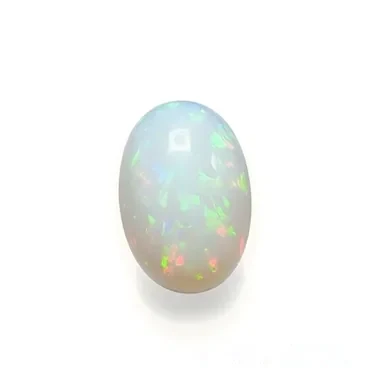
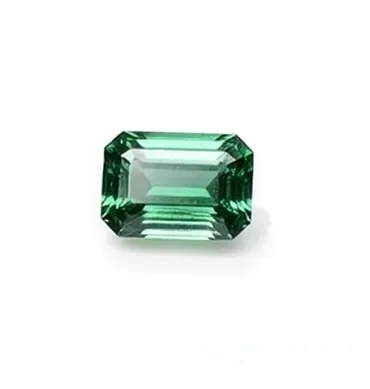
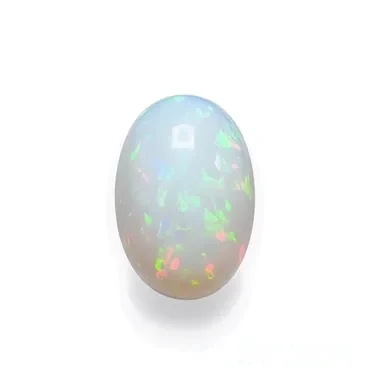
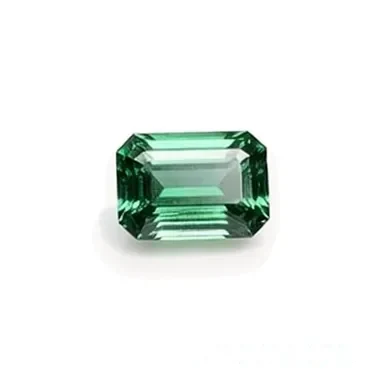
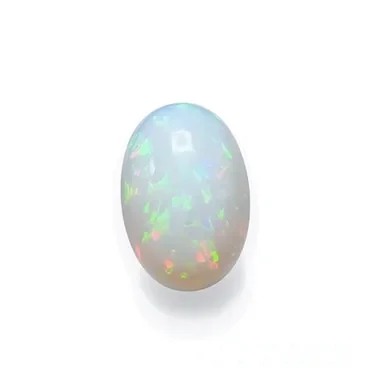
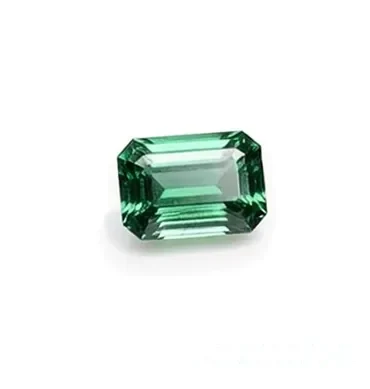
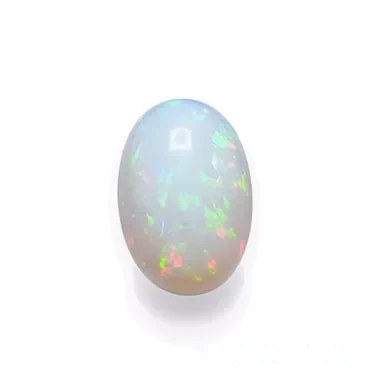
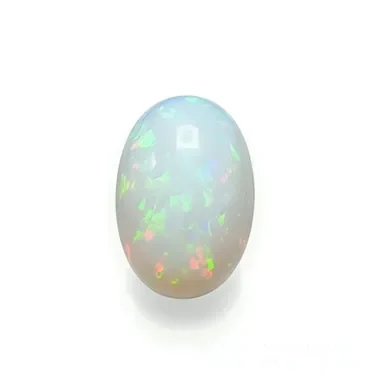
In short: October has two birthstones: opal and tourmaline. Opal is known for play-of-colour, flashes of spectral colour that move as the stone turns, while tourmaline is harder and comes in almost every colour, with pink the traditional October choice. Northern Pakistan is a well-known source of fine tourmaline crystals, and opal needs gentler care.
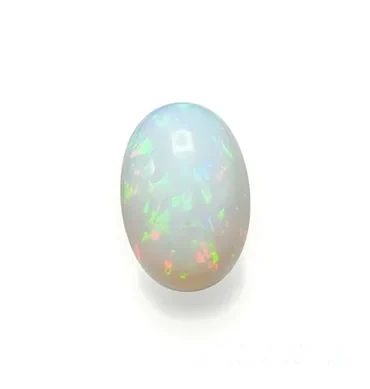
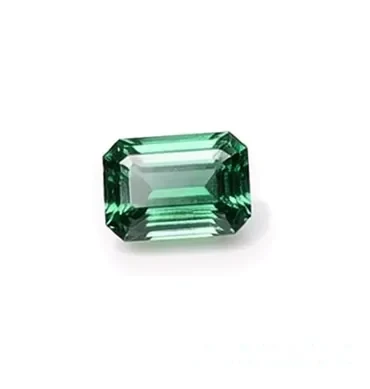
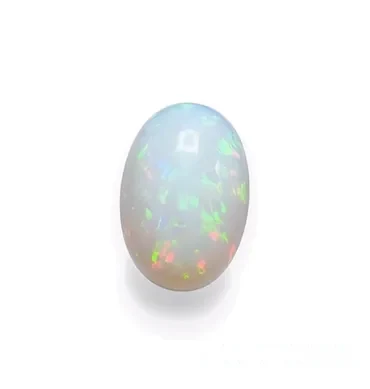
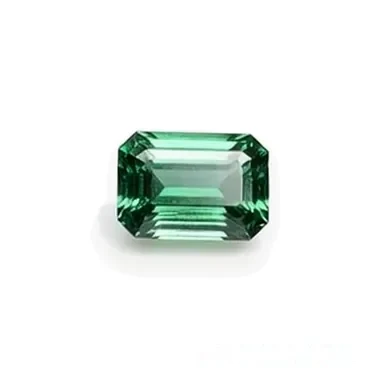
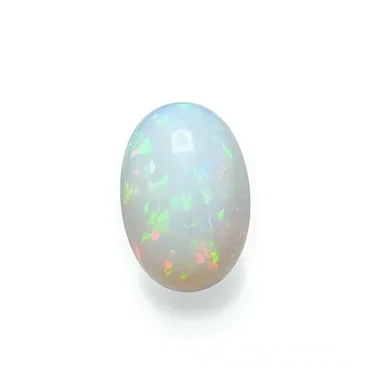
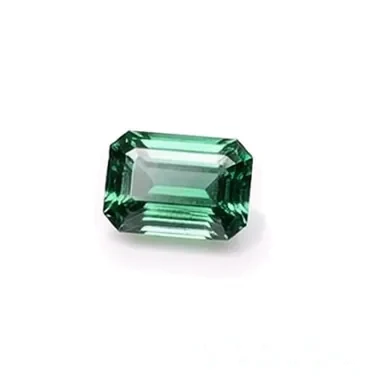
October has two birthstones: opal and tourmaline. Opal is known for play-of-colour, flashes of spectral colour that move as the stone turns. Tourmaline is harder and comes in almost every colour, with pink the traditional October choice. Northern Pakistan is a well-known source of fine tourmaline crystals.
- Month
- October
- Birthstones
- Opal, tourmaline
- Colours
- Opal: play-of-colour; tourmaline: pink, green, many others
- Mohs hardness
- Opal 5.5–6.5; tourmaline 7–7.5
- Pakistani source
- Tourmaline from the northern areas
From the vault
Shop opal and tourmaline

GemStore team — written by the people who list and pack every stone.
Reviewed on
Traditional belief vs gemmology: anything on this page about luck, protection, planets, healing or religious tradition describes traditional and cultural beliefs — not proven effects, religious rulings or medical advice. A stone's identity, hardness, treatment and origin are gemmology, which a lab can test; the references at the end of the page cover that side.
Meaning and history
The Romans prized opal above many gems, and its name is often traced to a Sanskrit word for stone. In Vedic practice opal is traditionally worn for Venus (Shukra). Tourmaline's name comes from a Sinhalese word, and for centuries it was mistaken for other gems. Pink tourmaline was added to the October list as a tougher alternative to opal. By tradition both stand for creativity and hope.
Choosing opal
- Brightness. Strong, lively flashes matter more than size.
- Colours. Red flashes are rarer than green and blue.
- Origin. Ethiopian opal is bright and popular; some of it absorbs water and can change look until it dries. Australian opal is more stable around water.
Choosing tourmaline
Judge tourmaline by colour first. Pink and green are the classics, and watermelon stones show both. Pink tourmaline often has small inclusions, which are normal; green tourmaline is usually cleaner. Browse opal and tourmaline, or compare pink-violet kunzite.
Real or fake: what to check
- Opal doublets and triplets glue a thin slice of opal to a backing. Look at the stone from the side for a straight join line.
- Synthetic opal often shows a regular, snakeskin-like pattern in its colour patches.
- Plastic and glass imitations feel light and warm and show no real depth.
- Pink glass is sometimes sold as tourmaline; look for bubbles. A certificate is available on request.
Care
Opal is soft at 5.5–6.5 and holds water, so keep it away from heat, sudden temperature changes and harsh chemicals. Wipe it with a damp soft cloth rather than soaking it, especially Ethiopian opal. Tourmaline at 7–7.5 can be cleaned in lukewarm soapy water. Read buying opal and tourmaline wisely, wearing opal and tourmaline's many colours.
An October gift
Opal's shifting colours make it a lively pendant for a daughter or wife born in October, and pink tourmaline suits the pink and peach outfits common at baraat and walima functions. October also opens the main wedding season in many families, so either stone is an easy gift for the bride. For Eid, a tourmaline from Pakistan's north carries a local story.
References
Related