In this article

GemStore team — written by the people who list and pack every stone.
Reviewed on
Traditional belief vs gemmology: anything on this page about luck, protection, planets, healing or religious tradition describes traditional and cultural beliefs — not proven effects, religious rulings or medical advice. A stone's identity, hardness, treatment and origin are gemmology, which a lab can test; the references at the end of the page cover that side.
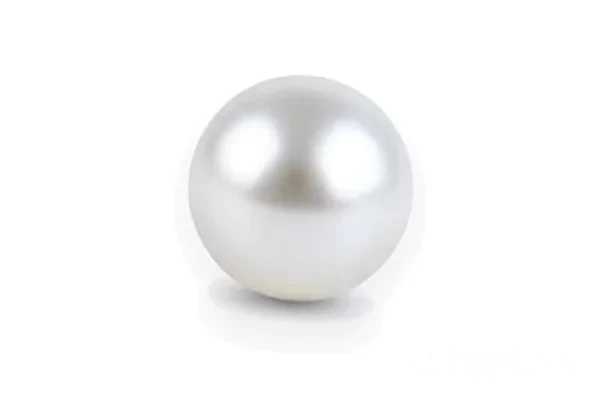
June is lucky enough to have two birthstones: pearl, called Moti in Urdu, and moonstone, known in the subcontinent trade as Chandrakant. One grows inside a mollusc, the other is a feldspar mineral, but both have a soft inner glow - and both are softer than most gems, so care is a big part of owning them. Our birthstone guide covers the history of the list.
Pearl or moonstone: which suits you?
| Pearl (Moti) | Moonstone | |
|---|---|---|
| What it is | Organic gem made of nacre | Feldspar mineral |
| Mohs hardness | 2.5 to 4.5 | 6 to 6.5 |
| Valued for | Lustre, surface, shape, size | Blue sheen and transparency |
| Best worn as | Pendant, earrings, occasional ring | Pendant or a bezel-set ring |
Judging a pearl
Pearl is the one birthstone not priced mainly by weight. Size matters, but a small pearl with superb lustre can be worth more than a large dull one.
- Lustre first. Look at a single light reflected in the pearl. A fine pearl shows a sharp, almost mirror-like reflection; a poor one gives a soft, milky blur. Nothing sorts pearls faster.
- Surface. A few marks are normal in nature; heavy pitting, ridges or dull patches should bring the price down considerably.
- Shape. Round is the most expensive. Drop and baroque shapes with strong lustre are often better value and more distinctive to wear.
Spotting an imitation: rub the pearl lightly along the edge of your front tooth. A real pearl feels faintly gritty; glass, plastic or coated beads feel perfectly smooth. Imitations also tend to feel lighter and warm up quickly in the hand.
Judging a moonstone
Moonstone is all about adularescence - the floating blue-white light that drifts across the stone as you tilt it. The finest is nearly colourless and transparent with a strong blue sheen; milky white stones with a faint glow are common and should cost much less. Turn the stone: the sheen should move, not sit as a fixed white patch. Glass "opalite" is sometimes sold as moonstone; it shows a bluish glow from every angle and often contains bubbles.
Each listing on the pearl and moonstone category pages shows the price of that individual stone.
Care for soft stones
Pearl: last on, first off. Put it on after perfume, hairspray and make-up, and take it off before anything else. Perfume, deodorant and even sweat slowly dull nacre, so wipe it with a soft cloth after each wear. Never use ultrasonic, steam or chemical cleaners. Store pearls in a soft pouch rather than a sealed box - very dry storage over years can cause cracking.
Moonstone: it splits easily along one direction, so a sharp knock can crack it. A bezel setting protects it far better than claws. Clean with mild soapy water and a soft cloth.
June gifting
Pearl is a classic gift for weddings, Eid and first jewellery for a daughter; a single pearl pendant is timeless. Moonstone suits someone who likes a softer, more unusual look, and its glow shows beautifully in silver.
Moti in the navaratna
Pearl has special standing here because it is one of the nine Vedic stones - the gem of the Moon (Chandra), traditionally associated with Cancer ascendants and with a calm mind. That is a matter of belief and chart reading, separate from the Western June pairing; see gemstones by rashi.
Ordering from GemStore
Every pearl and moonstone is listed and photographed individually; the piece you see is the piece we ship. Browse pearls or moonstones - delivery covers all of Pakistan, with Cash on Delivery, inspection before payment and 7-day returns.
References