
Islamic gemstones
Feroza in Muslim Tradition: Nishapuri and Iranian Turquoise فیروزہ
In short: Feroza is turquoise, the sky-blue stone that Persian and South Asian Muslims have worn for centuries, with Nishapur in Iran its most famous source. It is traditionally worn for protection, especially on journeys, and appears in commonly cited Shia narrations. Nishapuri in the trade means a clean, even sky blue with little or no matrix.
Feroza is turquoise, the sky-blue stone that Persian and South Asian Muslims have worn for centuries, with Nishapur in Iran its most famous source. It is traditionally worn for protection, especially on journeys, and appears in commonly cited Shia narrations. This page explains that tradition and how to judge a natural feroza.
- Mineral
- Turquoise
- Hardness
- 5 to 6 Mohs
- Famous source
- Nishapur, Iran
- Common treatment
- Resin stabilisation
From the vault
Shop feroza and blue stones

GemStore team — written by the people who list and pack every stone.
Reviewed on
Traditional belief vs gemmology: anything on this page about luck, protection, planets, healing or religious tradition describes traditional and cultural beliefs — not proven effects, religious rulings or medical advice. A stone's identity, hardness, treatment and origin are gemmology, which a lab can test; the references at the end of the page cover that side.
Feroza in tradition
The name comes from the Persian word for victory, and feroza has long been set on domes, sword hilts and rings across Iran, Central Asia and South Asia. In Shia devotional literature, sayings attributed to the Imams praise wearing feroza, and it is commonly listed with aqeeq and Dur-e-Najaf among stones a believer may wear. Scholars differ on the grading of these reports. Among Pakistani families it is a favourite gift for travellers, worn in the hope of a safe journey and return. These are customs and beliefs, not promises, and we give no ruling.
In Vedic astrology feroza is also linked with Jupiter, so you may hear it recommended on both religious and astrological grounds.
Nishapuri and other Iranian feroza
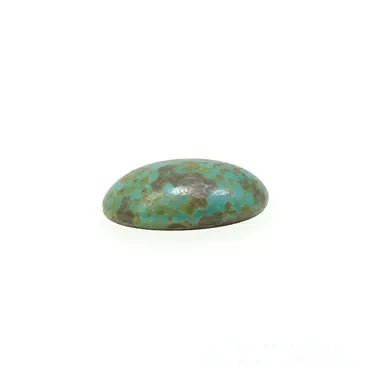
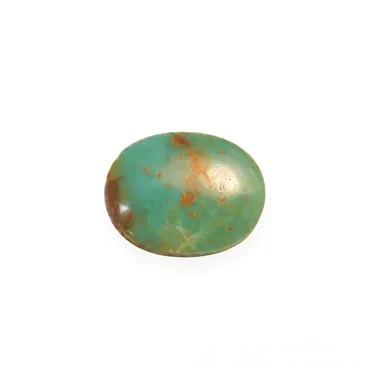
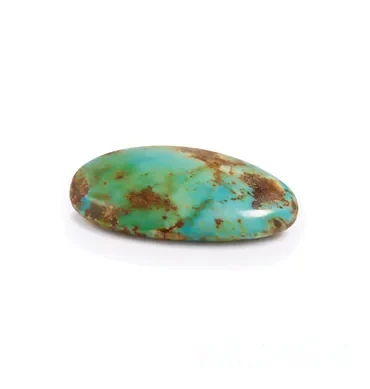
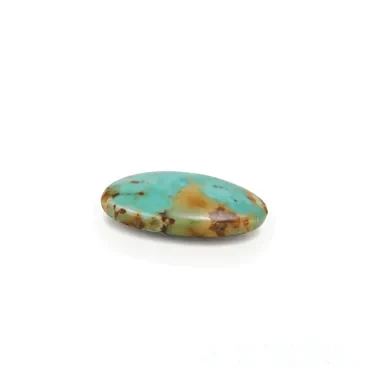
The mines near Nishapur in Khorasan have been worked for many centuries, and "Nishapuri" in the trade means a clean, even sky blue with little or no matrix, dense enough to take a good polish. Other Iranian feroza can be greener, paler or veined. Turquoise also comes from the United States, China, Egypt and elsewhere, and much of it looks similar. A label of "Nishapuri" describes a colour and quality as much as a mine, and origin cannot be proven by eye. See our gemstone origins guide for how to read such claims.
Judging a feroza
- Colour: an even, saturated sky blue is the classic preference. Greenish or chalky tones usually rank lower.
- Matrix: brown or black veins of host rock. Traditional buyers prefer clean stones for rings, though fine spiderweb matrix has its own admirers.
- Density: harder, denser material polishes better and holds its colour longer.
- Treatment: much turquoise is stabilised with resin to harden it. It is still turquoise, but untreated stones are valued more. Dyed howlite and reconstituted powder are imitations.
Our article on reading feroza covers matrix, colour and stabilisation in detail.
Feroza in rings and engraving
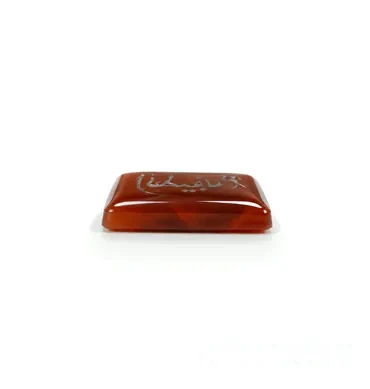
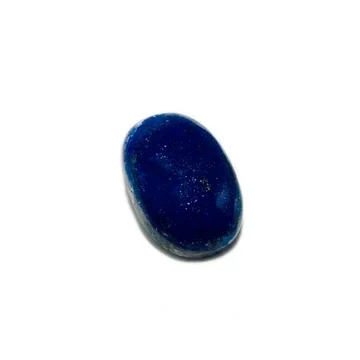
Feroza is often worn as a smooth oval or round cabochon in a silver ring, and Iranian craftsmen have long engraved it with names and short duas, sometimes filled with gold. Engraved stones should be clean and dense, since soft, chalky material crumbles under the tool. Many men wear feroza and aqeeq together, one on each hand.
Wearing and care
Feroza is 5 to 6 on the Mohs scale and porous, so it absorbs oils, perfume and soap. Take a feroza ring off before wudu if you can, before cooking and before applying attar, and wipe it with a soft dry cloth. Over years, skin oils can turn soft turquoise slightly green. Silver suits its blue well, and a bezel protects the softer edges.
Other stones to consider
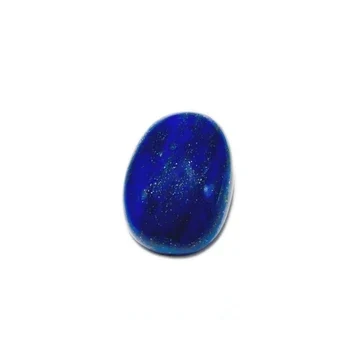
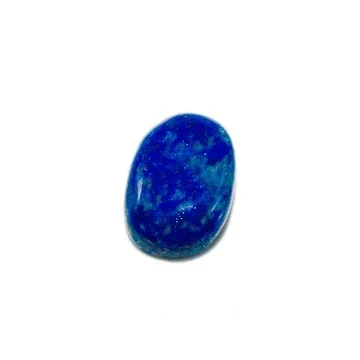
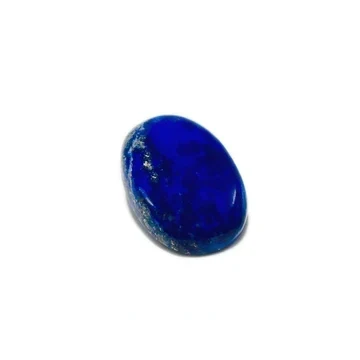
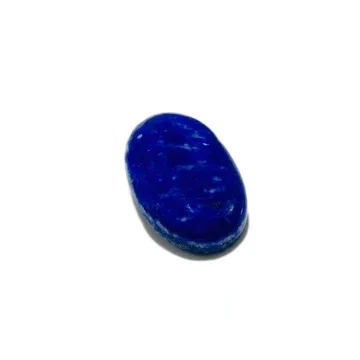
For a deeper blue with gold flecks, compare lapis lazuli (Lajward). For the main Islamic stone, see aqeeq and our Islamic gemstones guide. Feroza beads are also used in tasbih; see our tasbih guide.
References
Related