
Islamic gemstones
Moh-e-Najaf: Rutilated Quartz in Tradition and Trade موہِ نجف
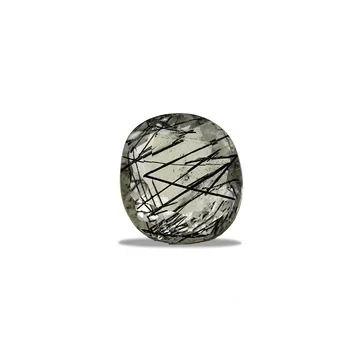
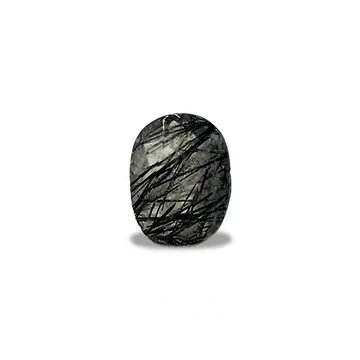
In short: Moh-e-Najaf is rutilated quartz: clear or smoky quartz holding fine needles of the mineral rutile, usually golden. The name means hair of Najaf, because the needles look like strands of hair. It is traditionally worn in Pakistan as a devotional stone, often by the same Shia families who wear Dur-e-Najaf.
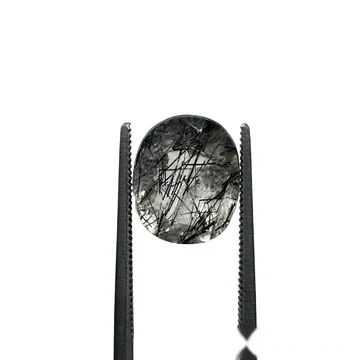
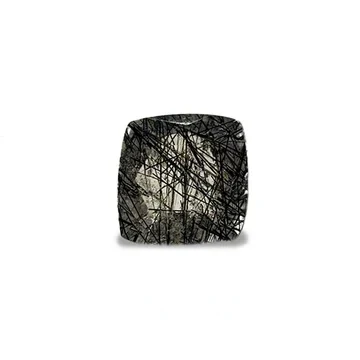
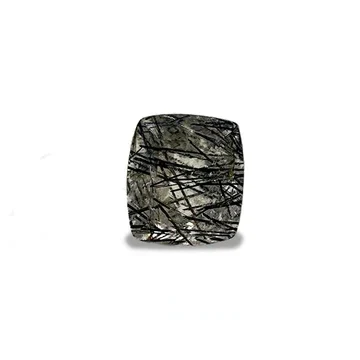
Moh-e-Najaf is rutilated quartz: clear or smoky quartz holding fine needles of the mineral rutile, usually golden. The name means "hair of Najaf", because the needles look like strands of hair. It is worn in Pakistan as a devotional stone, often by the same families who wear Dur-e-Najaf.
- Mineral
- Rutilated quartz
- Inclusions
- Rutile needles, often golden
- Hardness
- 7 Mohs
- Name
- Hair of Najaf
From the vault
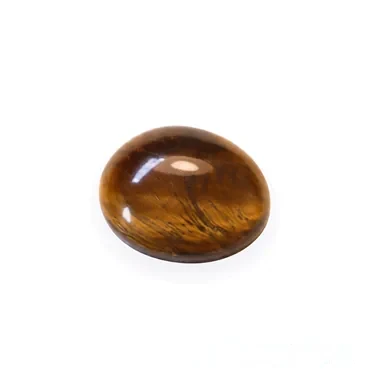
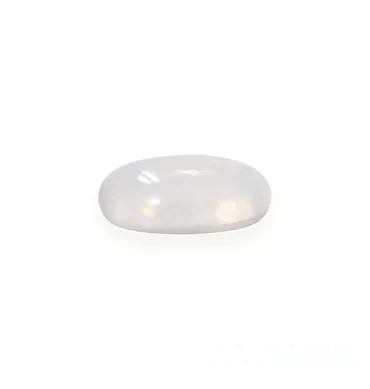
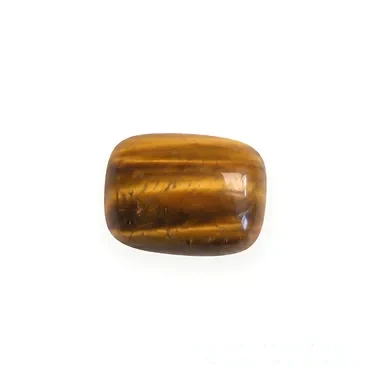
Shop Moh-e-Najaf
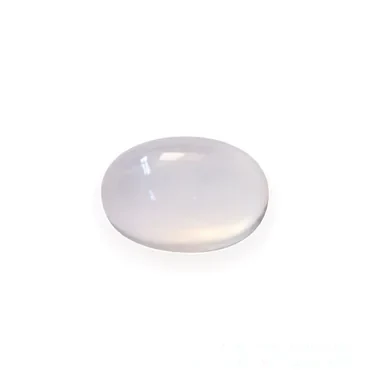
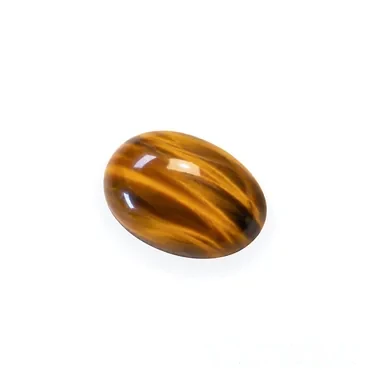
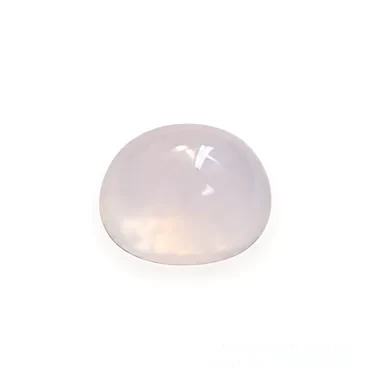

GemStore team — written by the people who list and pack every stone.
Reviewed on
Traditional belief vs gemmology: anything on this page about luck, protection, planets, healing or religious tradition describes traditional and cultural beliefs — not proven effects, religious rulings or medical advice. A stone's identity, hardness, treatment and origin are gemmology, which a lab can test; the references at the end of the page cover that side.
The name and the tradition
Like Dur-e-Najaf, Moh-e-Najaf takes its name from the holy city of Najaf in Iraq. The two are the same mineral, quartz, and differ only in the rutile needles inside. Moh-e-Najaf is popular among Shia families and is often set in silver and worn on the right hand. Specific narrations about it are cited less often than those for aqeeq or Dur-e-Najaf, and its standing comes mainly from its link to Najaf and from family custom. People wear it as a reminder of devotion and in the hope of steadiness and protection. These are beliefs, not promises, and we give no ruling.
What rutile is
Rutile is titanium dioxide. It crystallised as thin needles while the quartz grew around them, so the needles are locked deep inside the stone. Golden and reddish needles are the most prized; silvery and black needles also occur. The quartz around them may be water-clear or smoky brown.
How to tell real Moh-e-Najaf
The common imitation is glass with fibres pressed into it. Natural needles cross, fan out, bend slightly, vary in thickness and sit at different depths. Fibres in glass tend to run in neat parallel lines at one depth. Glass also shows round bubbles and warms quickly in the hand. Our article Moh-e-Najaf or glass? explains each check with what to look for.
What makes one stone finer than another
- Needle colour: rich gold or copper-red reads most strongly.
- Density and spread: needles that fill the stone evenly look better than a few in one corner.
- Clarity of the quartz: clear quartz lets the needles show; cloudy quartz hides them.
- Cut: a smooth cabochon or a gently faceted top shows the needles from many angles.
Size matters less than these. Each stone is priced on its own, and you can browse by budget.
Settings that suit Moh-e-Najaf
A cabochon in a plain silver bezel is the traditional ring. An open back lets light pass through and makes the needles glow; a closed, polished back gives a brighter but flatter look. Larger stones also make striking pendants, where the needles are easier to admire.
Wearing and care
At 7 on the Mohs scale it suits a daily ring. Rutile needles that reach the surface can leave tiny pits, which is normal. Clean with warm soapy water and a soft brush.
Related stones
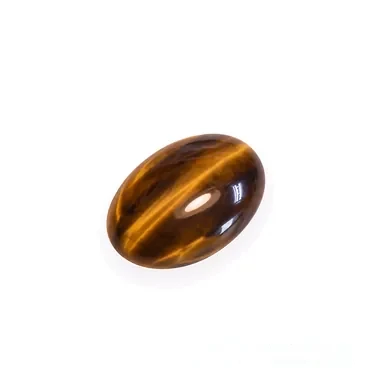
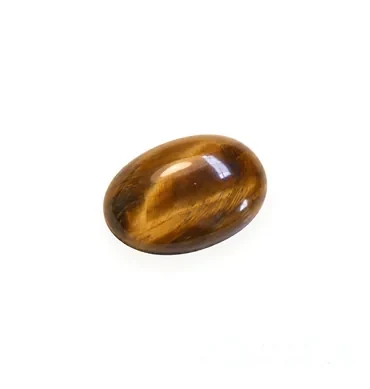
For clear quartz without needles, see our Dur-e-Najaf guide. For a golden stone with a moving band of light, compare tiger eye. For the wider tradition, read our Islamic gemstones guide or browse aqeeq. Every stone in our Moh-e-Najaf collection is photographed on its own, and you can open the parcel before paying on Cash on Delivery.
References
Related