In this article
- Colour: the first and biggest decision
- Clarity: expect it to be clean
- Cut: where amethysts differ most
- Size: what is sensible for a ring
- Shapes and what they suit
- Origin: useful, but not a grade
- Treatment and synthetic amethyst
- Questions to ask any seller
- Choosing online, step by step
- After you buy
- Buying amethyst from GemStore
- خلاصہ

GemStore team — written by the people who list and pack every stone.
Reviewed on
A good amethyst is a clear, even purple that stays purple under tube light, daylight and the shade, with no colourless patches and nothing you can see inside it without a loupe. Everything else in this guide follows from that sentence. Amethyst (jamunia) is plentiful compared with ruby or sapphire, so you can afford to be fussy about colour and clarity rather than settling for a stone because it is the only one on offer.
Most Pakistanis now buy amethyst from photographs, either from an online store or from a seller on WhatsApp. That is perfectly workable once you know what to check in a photo, what to ask in writing and what a fair return policy looks like. This guide takes you through colour, clarity, cut, size, origin and treatment in the order a dealer would judge them, then sets out a short list of questions for any seller.
Colour: the first and biggest decision
Amethyst is purple quartz, and its colour ranges from a pale lilac to a deep purple that can look almost black in dim light. Price and desirability follow the colour more closely than anything else.
Depth
The most sought-after stones are a medium-dark to dark purple that still lets light through. Dealers still use the old name "Siberian" for this look, whatever the stone's actual source. Very dark stones can look inky indoors; very pale ones, sometimes sold as "Rose de France", are a soft lavender and much cheaper. Neither is wrong. Decide which you like, and then compare stones within that band.
Secondary flashes
Fine amethyst often shows red or rose flashes as it moves. That warmth is prized. Stones that lean grey or brownish look duller and are valued lower.
Colour zoning
Amethyst grows in bands, so colour is often uneven. A skilled cutter orients the stone so the purple spreads across the face. A careless cut leaves a colourless end or a stripe. Ask for a photograph looking through the side of the stone as well as from the top; zoning is much easier to see side-on.
Judging colour from a photo
Phone cameras and warm shop lights both push purple towards blue or pink. Ask for one photograph in daylight near a window and, if possible, a short video turning the stone. Compare stones from the same seller against each other in the same light, rather than against a stone you saw elsewhere.
Clarity: expect it to be clean
Unlike emerald, good amethyst is usually eye-clean. Quartz grows in large, clear crystals, so there is little reason to accept visible inclusions in a faceted stone. Small needles or a faint feather seen only under a loupe are normal. Cloudy patches, cracks that reach the surface or dark spots visible at arm's length are faults, and they should bring the price down sharply.
Cabochons and beads are the exception. Included or cloudy material is often cut as smooth domes, which is fine for a tasbih or a casual pendant if it is priced accordingly.
Cut: where amethysts differ most
Because the rough is affordable, amethyst is often cut quickly for weight rather than beauty. A good cut is the easiest way to get more from the same budget.
- Windowing: a pale, see-through patch in the centre where light passes straight through. It shows the stone is too shallow.
- Extinction: large dark areas that do not light up. Common in deep, badly cut stones.
- Symmetry: an oval that is lopsided or a cushion with uneven corners is harder to set and looks cheap in a ring.
- Polish: facet edges should be crisp and the surface free of scratch marks.
Many of our stones are laser cut, a precise machine-assisted cut with even facets that gives consistent brightness. Ask any seller how a stone was cut, and look for even sparkle across the face in the video.
Size: what is sensible for a ring
Amethyst is one of the few stones where a large ring stone is affordable. Ten carats is common, and price per carat climbs only slowly with size. That gives you freedom, but a stone that is too large can be hard to wear daily and can catch on sleeves.
- Women's rings: 3 to 8 carats is comfortable for daily wear.
- Men's rings: 8 to 15 carats suits the bolder mounts common in Pakistan.
- Pendants: larger stones work well, because they are protected from knocks.
If an astrologer has named a weight in ratti, ask which ratti they mean. The gemstone ratti used in Pakistan is 0.91 carat; the jeweller's sunari ratti is about 0.61 carat. Our carat to ratti converter turns either into carats. Amethyst is linked with Saturn in some Vedic practice and is often suggested as a gentler substitute for blue sapphire. These are traditional beliefs, not promised outcomes.
Shapes and what they suit
Oval and cushion shapes are the most common for amethyst rings in Pakistan, and they suit both men's and women's mounts. Emerald-cut rectangles show depth of colour well but also show any zoning plainly, so check them side-on with extra care. Rounds sparkle most but lose more rough in cutting and cost a little more per carat. Pears and marquise shapes look elegant in pendants and earrings but have points that can chip, so a setting that covers the tips is wise. Cabochons suit included material and give a soft, glowing purple; they are a good choice for a hard-wearing everyday ring at a lower price.
Origin: useful, but not a grade
Amethyst comes from Brazil, Uruguay, Zambia, Africa more widely and many other places. Origin has some influence on the trade's expectations. Zambian material is often deep with a slightly bluish purple, Uruguayan stones are known for deep colour in smaller sizes, and Brazilian material covers the whole range. None of these is a guarantee. A fine Brazilian stone beats a poor Zambian one, and origin is very hard to prove without a laboratory. Buy on colour, clarity and cut, and treat origin as background information.
Treatment and synthetic amethyst
Heat
Some amethyst is heated to lighten dark stones or remove brownish tints. Heating amethyst further turns it yellow or orange, and much of the citrine on the market is heated amethyst. A seller should tell you if a stone has been heated. It is a stable, accepted treatment, but it belongs in the description.
Synthetic amethyst
Lab-grown amethyst is real quartz made in a factory and is widely produced. It can be very clean and evenly coloured. It is acceptable when sold as synthetic, and should cost much less than natural. A large, perfectly even, flawless deep purple stone at a low price is worth questioning. Separating natural from synthetic amethyst often needs a laboratory, which GemStore can arrange. Our general guide to natural and synthetic gemstones explains the difference, and our planned amethyst real or fake guide covers glass imitations.
Glass
Purple glass shows round bubbles under a loupe, swirl marks, and facet edges that look slightly rounded. It also warms quickly in the hand.
Questions to ask any seller
- Is this natural amethyst, and has it been heated or otherwise treated?
- What is the exact weight in carats, and what are the measurements in millimetres?
- Can I see a daylight photo and a short video, including a side view?
- Is the stone eye-clean, and are there any chips or surface-reaching cracks?
- Is a certificate available, and can independent testing be arranged?
- Can I inspect the stone before paying, and what is the return period?
A seller who answers all six clearly and in writing is worth paying a little more to. Our general guide to buying a genuine gemstone in Pakistan adds a few more checks that apply to any stone.
Choosing online, step by step
- Set a budget band. Use the shop filters: under 5,000 rupees, 5,000 to 20,000 rupees or 20,000 to 50,000 rupees. Our planned amethyst price guide and the monthly gemstone price guide show where stones sit.
- Pick a colour band and compare only stones within it.
- Look side-on for zoning and at the centre for windows.
- Check the size in millimetres against your finger and the mount you have in mind.
- Ask the six questions above.
- Order with Cash on Delivery so you can open the parcel and inspect the stone before paying.
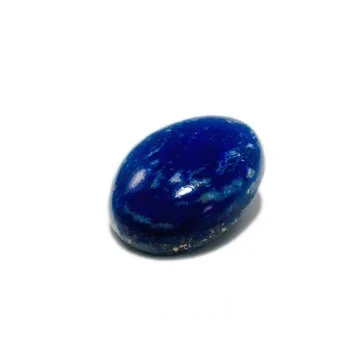
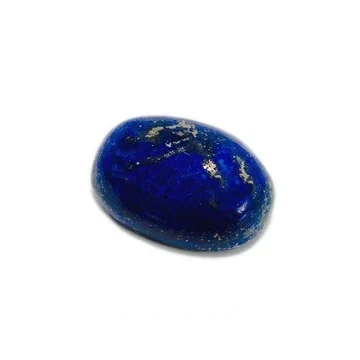
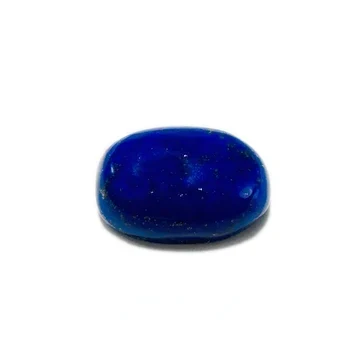
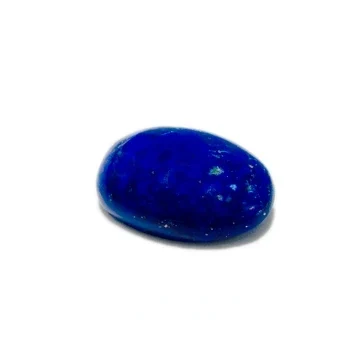
For example, the 10.70 carat laser-cut jamunia and the 11.30 carat laser-cut jamunia are close in size, so comparing their photos side by side is a good way to practise judging depth and evenness of colour.
After you buy
At 7 on the Mohs scale amethyst is fine for a daily ring, but strong sun and heat can fade its colour over time. Do not leave it on a car dashboard or sunny windowsill, and ask a jeweller to remove the stone before any soldering. Our amethyst care guide covers cleaning and storage, and how to wear amethyst covers settings and customs. Amethyst is also the February birthstone, which makes it a popular gift.
Buying amethyst from GemStore
Every stone in our amethyst collection is natural, photographed on its own and priced on its own, with known treatments disclosed. A certificate is available on request, and independent lab testing can be arranged. We dispatch in 1 to 2 working days, delivery by insured tracked courier takes about 7 working days, and you can pay Cash on Delivery anywhere in Pakistan after checking the stone. Returns are accepted within 7 days. For a daylight photo or video of any stone, message us on WhatsApp at +92 308 887 3888.
Shop the stones: amethyst.
The beliefs described here are traditions, shared for interest. They are not guaranteed outcomes, religious rulings or medical advice.
References