In this article
- The three Australian opals you will meet
- How Australian opal differs from Ethiopian opal
- Colour: body tone and play-of-colour
- Clarity and condition
- Cut and shape
- Size and weight
- Solid, doublet, triplet: the treatment question
- Origin claims
- What to ask the seller
- Choosing opal online in Pakistan
- Opal in tradition
- Caring for opal
- Opal at GemStore
- خلاصہ

GemStore team — written by the people who list and pack every stone.
Reviewed on
Australian opal has a reputation that reaches every gem bazaar in Pakistan. Many astrologers name it when they recommend opal for Venus, and many buyers have heard that "Australian" means the best. The truth is more useful than the reputation. Australia produces several quite different kinds of opal, some of the finest in the world and some quite ordinary, and a good deal of what is sold under the Australian name is not Australian at all, or not a solid opal.
This guide explains how to judge an Australian opal by what you can see, which treatments and assembled stones to watch for, what to ask any seller, and how to choose sensibly when buying online from anywhere in Pakistan.
The three Australian opals you will meet
Australian precious opal formed in sedimentary rock, and different fields give stones with very different looks and prices.
- Black opal: associated above all with Lightning Ridge in New South Wales. It has a dark body tone, which makes the play-of-colour look intense. Fine black opal is among the most expensive opal in the world.
- White and crystal opal: associated with fields such as Coober Pedy and Andamooka in South Australia. White opal has a light, milky body; crystal opal is transparent to translucent, so the colour seems to float inside the stone.
- Boulder opal: from Queensland. Thin seams of precious opal form inside ironstone, and the stone is usually cut with the brown ironstone left on the back as a natural support. Boulder opal can show strong colour at a lower price than black opal.
Knowing which type you are looking at is the first step, because each is judged slightly differently and priced in its own band.
How Australian opal differs from Ethiopian opal
Much of the opal in the Pakistani market, including much of our own stock, comes from Ethiopia. Ethiopian Welo opal is often hydrophane, which means it can absorb water and temporarily turn clear or lose its colour when wet, before recovering as it dries. Australian sedimentary opal is generally not hydrophane and is considered more stable in this respect. That is one reason Australian opal holds its reputation. Both are natural precious opal, and a fine Ethiopian stone can show beautiful colour. The point is to know which one you are buying and to pay accordingly. For Ethiopian stones specifically, see our planned post on real and fake Ethiopian opal.
Colour: body tone and play-of-colour
Body tone
Body tone is the background colour of the opal, from very dark to very light. The trade often describes it on a scale from N1 (black) to N9 (light white). Darker body tones make the play-of-colour stand out more, which is why black opal is valued so highly. A good seller should be able to tell you the approximate body tone.
Play-of-colour
The flashes of spectral colour are what you are paying for. Judge them on three points:
- Brightness: how strongly the colour shows. A bright stone flashes in ordinary room light; a dull one needs a torch.
- Hue range: red flashes are the rarest and most valued, followed by orange, then green and blue. A stone showing all colours, with red among them, is the prize.
- Coverage: how much of the face shows colour, and whether there are dead spots that stay dull at every angle.
Pattern
The shape of the colour patches also matters. Broad flash and rolling flash show large sheets of colour; pinfire shows tiny points; harlequin, a rare pattern of angular patches like a mosaic, is the most prized. Ask for a video, because pattern and brightness only reveal themselves when the stone moves.
Clarity and condition
For opal, clarity is less about inclusions and more about soundness.
- Crazing: fine cracks that develop when an opal dries out. Crazed stones are worth much less and can break. Ask whether the stone has been stable for some time since cutting.
- Potch lines and sand spots: bands of common opal or bits of sandstone in the face. Small ones on the back are acceptable; on the face they lower the value.
- Cracks: any crack that reaches the surface is a serious problem in a ring stone.
- Ironstone in boulder opal: normal on the back and sometimes in patterns on the face. It should not hide the colour.
Cut and shape
Most Australian opal is cut as a cabochon to follow the colour bar in the rough, so outlines are often freeform rather than perfect ovals. A good cutter keeps a gentle dome, which shows more colour, and enough thickness for strength. Very thin stones are fragile and are often turned into doublets. Check the thickness when buying a solid opal for a ring: a stone of reasonable depth is safer and, for astrology buyers, also gives more weight.
Size and weight
Opal is weighed in carats like other gems, but because it is light, an opal of a given carat weight looks larger than a sapphire of the same weight. Astrologers in Pakistan often give a weight in ratti. The standard gemstone ratti is 0.91 carat, while the jeweller's sunari ratti is about 0.61 carat; confirm which one your astrologer means. Use our carat to ratti converter to check.
Solid, doublet, triplet: the treatment question
This is the most important question to ask about any Australian opal.
- Solid opal: one piece of natural opal throughout. This is what you want for a fine stone and what most astrology buyers expect.
- Doublet: a thin slice of opal glued to a dark backing, often black potch or ironstone, to make the colour look darker and brighter. Doublets are real opal but are worth far less than solid stones and must be disclosed.
- Triplet: a very thin slice of opal glued between a dark backing and a clear quartz or glass dome. Triplets can look striking but are priced well below doublets and should not be soaked in water.
- Treated opal: some opal is smoke-treated or sugar-acid treated to darken the body tone. This must be disclosed.
- Synthetic and imitation: lab-grown opal and plastic or glass imitations ("opalite") are widely sold online. They often show a too-regular, snakeskin or columnar pattern.
To spot a doublet or triplet, look at the side of the stone. A straight join line between layers, a perfectly flat black back, or a glassy, high dome over a very thin colour layer are all signs. In a closed-back ring setting the join is hidden, which is why you should buy loose opal or see it before setting. Our planned post on real and fake opal covers this in detail.
Origin claims
"Australian" is the most valuable word in the opal trade, so it is also the most misused. Origin is not easy to prove from a photo, and a seller's verbal claim is not evidence. A lab can often distinguish Australian sedimentary opal from Ethiopian volcanic opal, and can confirm whether a stone is solid, assembled, treated or synthetic. For an expensive stone, ask for a certificate, or arrange independent testing before you pay the full price. Our lab-certified opal page explains how this works.
What to ask the seller
- Is this a solid opal, a doublet or a triplet?
- Which type is it: black, white, crystal or boulder? What is the body tone?
- What origin are you stating, and on what basis?
- Has it been treated in any way, such as smoke or sugar treatment?
- Is there any crazing or crack, and how long has the stone been cut?
- What is the exact weight in carats and the size in millimetres?
- Can I see a video under ordinary indoor light, turning the stone slowly?
- Is a certificate available, and what happens if a lab disagrees with your description?
Choosing opal online in Pakistan
Buying opal online is harder than buying a faceted stone, because a still photo cannot show play-of-colour well. A few habits make it much safer.
- Insist on video. A photo taken under a bright lamp can make a dull opal look lively. A video in normal room light shows what you will see at home.
- Compare several stones from the same seller, so you can judge relative brightness rather than trust a single image.
- Use Cash on Delivery with inspection. Opening the parcel before paying lets you check the stone in your own light and look at the sides for join lines.
- Know the return terms. A short return window gives you time to show the stone to a gemmologist.
- Avoid prices that seem too good. Fine solid black opal is never cheap, and a bargain "Australian black opal" is very often a doublet, triplet or synthetic.
Opal in tradition
In Vedic astrology, opal is commonly worn as a substitute for diamond, linked with Shukra (Venus), and is traditionally associated with the signs Vrishabha (Taurus) and Tula (Libra). These are beliefs, not promises; take advice from an astrologer you trust. Our opal benefits post and the Libra gemstones page describe the tradition.
Caring for opal
Opal is soft, at about 5.5 to 6.5 on the Mohs scale, and contains water, so it dislikes heat, sudden temperature changes and knocks. Wipe it with a damp cloth, keep it away from ultrasonic cleaners, and never soak a doublet or triplet. Store it on its own so harder stones cannot scratch it.
Opal at GemStore
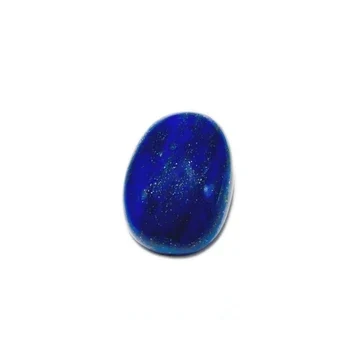
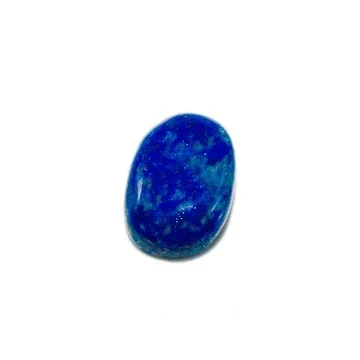
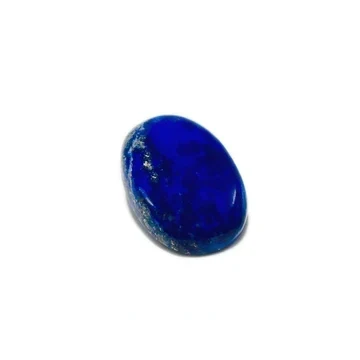
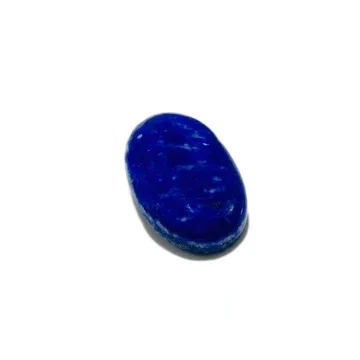
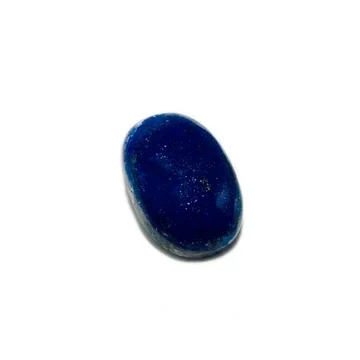
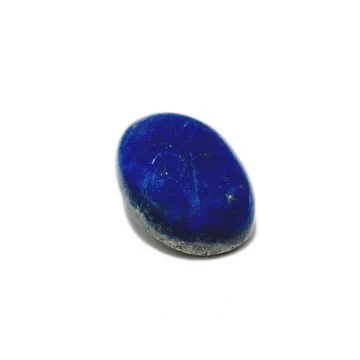
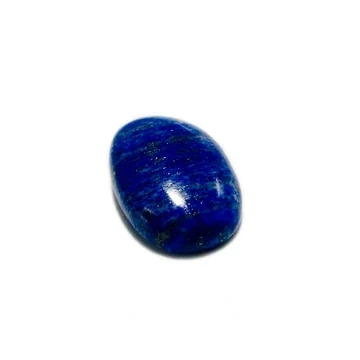
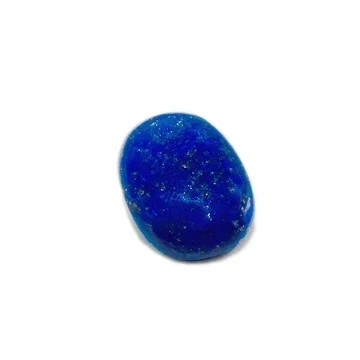
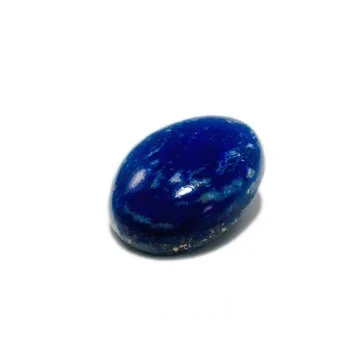
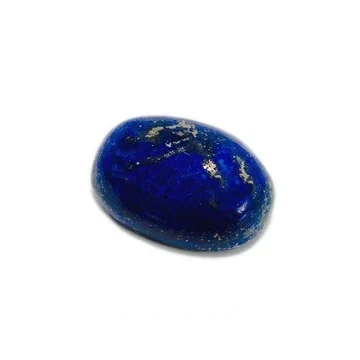
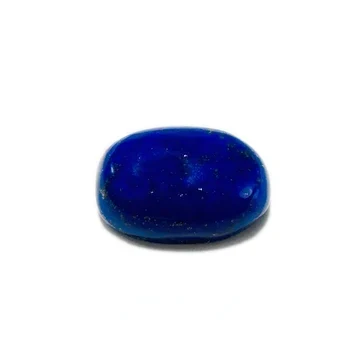
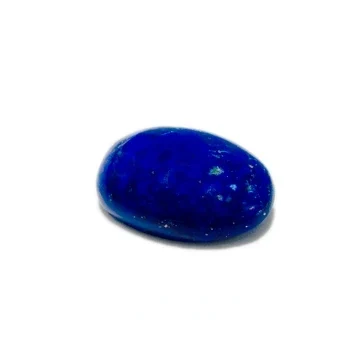
Our opal category lists natural opal, each stone photographed alone and priced on its own, with origin stated on the listing where known. Many of our stones are Ethiopian, such as this 1.90 carat Ethiopian opal; compare it with this 1.60 carat opal and check the origin line on each listing. If you are looking specifically for an Australian stone, message us on WhatsApp and we will tell you honestly what is available. A certificate is available on request, and independent lab testing can be arranged. We deliver anywhere in Pakistan with Cash on Delivery, and you have 7 days to return a stone. For pricing, see our planned Australian opal price guide.
Shop the stones: australian opal.
The beliefs described here are traditions, shared for interest. They are not guaranteed outcomes, religious rulings or medical advice.
References