
Gemstone origins · Khyber Pakhtunkhwa
Swat Emerald: Pakistan's Own Zamurd سوات کا زمرد
In short: Swat emerald comes from the hills around Mingora in the Swat valley of Khyber Pakhtunkhwa and is Pakistan's best-known gemstone. At its best it shows a deep, saturated green with a slight blue edge. Most Swat emerald is small and included, though, and clean stones over a carat or so are scarce.
Swat emerald is Pakistan's best-known gemstone. It comes from the hills around Mingora in the Swat valley, and at its best it shows a deep, saturated green with a slight blue edge that many buyers love.
It is also a stone of honest limits: most Swat emerald is small and included, and clean stones over a carat or so are scarce. This page explains where it comes from, how it looks, how origin is and is not proven, and how to buy well.
- Region
- Swat, Khyber Pakhtunkhwa
- Main trading town
- Mingora
- Stone
- Emerald (Zamurd, Panna)
- Known for
- Deep, slightly bluish green
- Typical size
- Small, often under a carat
- Clarity
- Usually included
- Common treatment
- Oiling or resin filling
From the vault
Shop emerald and other green stones
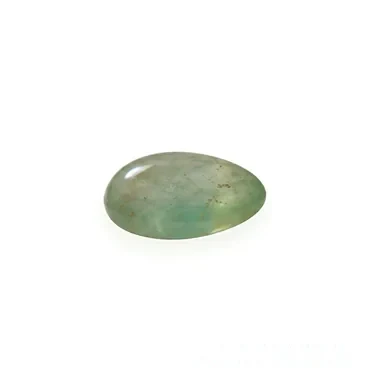
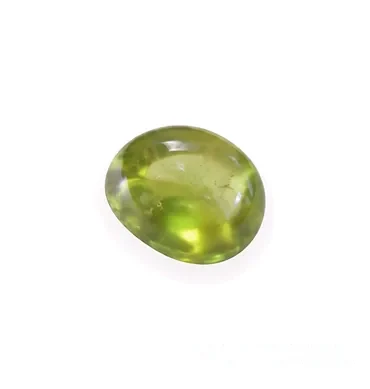
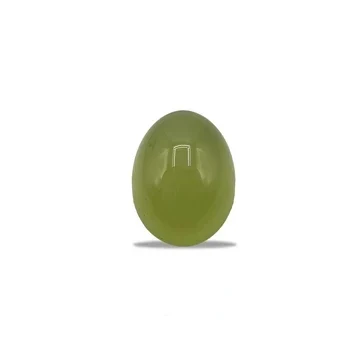
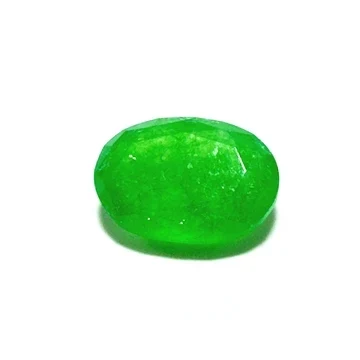
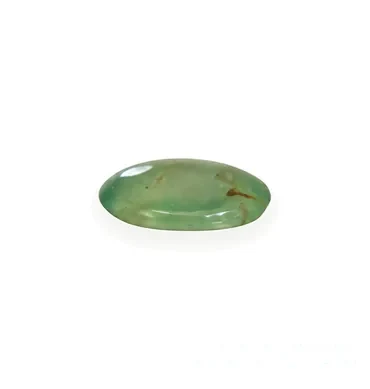
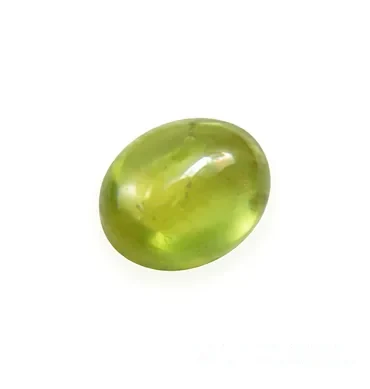

GemStore team — written by the people who list and pack every stone.
Reviewed on
Where Swat emerald is found
The Swat valley lies in the north of Khyber Pakhtunkhwa, between the plains around Mardan and the high mountains of Kohistan. The emerald workings that made Swat famous sit on the hills close to Mingora, the valley's main town. Other emerald occurrences have been worked elsewhere in Swat and in neighbouring districts, generally on a smaller scale.
Mingora is the local trading point. From there, rough usually travels to Peshawar, the main market for gem rough in the region, and on to cutters in Peshawar and Lahore.
The geology in plain words
Emerald is green beryl. Beryl needs the element beryllium, while the green colour needs chromium or vanadium. The trouble is that these elements rarely meet: beryllium tends to come from granite-type rocks, while chromium sits in dark, iron and magnesium rich rocks from the old ocean floor.
Swat lies along one of the great fault zones where the Indian plate meets the old island arc of Kohistan. Slices of ocean-floor rock were pushed up here and later altered into soft, greasy talc and carbonate rock. Fluids carrying beryllium moved through these rocks along cracks and veins, met the chromium already there and grew emerald crystals. That is why Swat emerald is often found as small crystals scattered through pale talc-carbonate rock rather than as large crystals in open pockets.
The same setting explains the look of the stones. Plenty of chromium gives a strong colour, and the cramped, sheared rock gives small crystals with fractures and inclusions.
A short history
The Swat deposits were identified in the mid-twentieth century, and the Mingora mines became Pakistan's main emerald source in the following decades. Over the years the mines have been worked under different arrangements, including periods of government management and private leasing, and there have been long stretches when work slowed or stopped. Mining remains small-scale, with tunnels and pits worked by hand and with drills.
We do not quote production figures for Swat. Nobody publishes reliable numbers for small, informal workings, and any seller who gives you one is guessing.
What Swat emerald looks like
- Colour: deep, saturated green, often with a slight bluish tone. The best stones glow in daylight. Paler stones exist and are much more affordable.
- Size: usually small. Many faceted Swat stones weigh well under a carat, and clean stones above a carat or two are uncommon.
- Clarity: nearly always included, with fractures, dark mineral specks and the internal "garden" (jardin) that emerald is known for. Eye-clean Swat material is scarce.
- Cut: step cuts, ovals and small rounds for faceted stones; cabochons and beads for more included rough.
How Swat compares with other emeralds
| Source | Typical look | Typical size |
|---|---|---|
| Swat, Pakistan | Deep green, often slightly bluish, strongly saturated | Small, often under a carat |
| Colombia | Pure to slightly bluish green, often bright and lively | Small to large |
| Zambia | Deep green, often slightly bluish, sometimes darker | Small to large, with more clean material |
| Afghanistan (Panjshir) | Bright green, can resemble Colombian stones | Small to medium |
| Brazil | Lighter, sometimes yellowish green | Small to medium |
These are tendencies, not rules. A dark Zambian stone and a fine Swat stone can look very alike, and the eye cannot sort them reliably. Our article on Swat vs Zambian vs Colombian emerald goes into the differences in more depth.
How origin is proven, and how it is not
Origin is not proven by the seller's word, by the town the seller comes from or by the colour of the stone. Swat sits close to Afghanistan, rough from both sides passes through the same Peshawar market, and stones from several countries are cut on the same benches.
A gem laboratory can sometimes give an origin opinion for emerald. It looks at inclusions under the microscope and measures trace elements, then compares the stone with reference samples from known mines. It is an expert opinion rather than a certainty, it is not offered for every stone and its cost only makes sense for better stones. For a small Swat emerald, a report that confirms natural emerald and describes any treatment is usually more useful than an origin opinion.
Treatment: ask about oil first
Most emeralds from every source, Swat included, are oiled or resin-filled to make surface-reaching fissures less visible. Light oiling is accepted practice when it is disclosed. Heavy resin filling can hide a lot and may change with time or careless cleaning. Ask about treatment before you ask about origin, because it affects value and care more. See emerald's jardin, oiling and fakes and how to identify a natural emerald.
Buying Swat emerald: practical advice
- Pick colour over clarity. An included stone with fine colour usually beats a cleaner, paler one in both beauty and value.
- Check the inclusions are stable. Avoid stones with long fractures that reach the surface near a corner or edge; these are where emeralds chip.
- Think about setting. Emerald is hard but brittle. A protective bezel or a ring style with guarded corners suits everyday wear.
- Compare per carat and per ratti carefully. In bazaars, emerald is often priced per ratti. The standard gem ratti is 0.91 carat; the smaller jeweller's ratti is about 0.61 carat, so always ask which is meant. Our carat to ratti converter helps.
- Get the claim in writing. Weight, origin as stated and treatment should all be on the receipt.
Caring for a Swat emerald
Swat emerald needs gentler care than ruby or sapphire. Clean it with lukewarm water, a drop of mild soap and a soft brush, then pat it dry. Never put it in an ultrasonic or steam cleaner, and keep it away from hot water, solvents and strong detergents, all of which can draw out oil or loosen resin in fissures. Take an emerald ring off for heavy work, gym sessions and housework.
If an emerald starts to show more fissures than before, it may have lost some of its oil. A competent jeweller can re-oil it; ask that the treatment be noted. Store it on its own in a soft pouch so harder stones cannot scratch it. Our gemstone care guide covers the basics for every stone.
Swat emerald prices
Price depends first on colour, then on clarity, size and treatment. A small, included stone of fine colour can cost far less than a larger, cleaner one, because clean Swat material above a carat is scarce. The table below is built from our own emerald listings and refreshed monthly.
| Weight | Weights | Stones | Per carat | Per ratti |
|---|---|---|---|---|
| All Emerald in stock | 1.0 – 1.5 ct | 4 | Rs 14,500 – Rs 16,000 | Rs 13,000 – Rs 14,500 |
For broader context see the gemstone price guide, or browse 5,000 to 20,000 rupees.
Swat emerald at GemStore
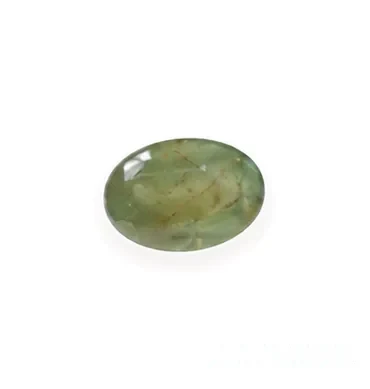
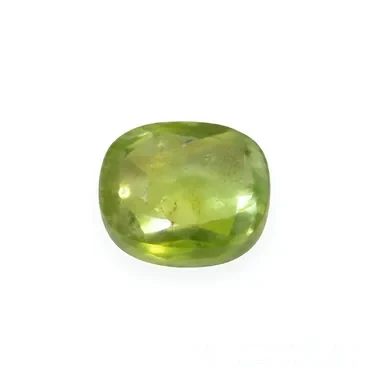
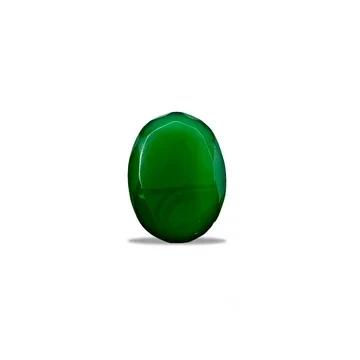
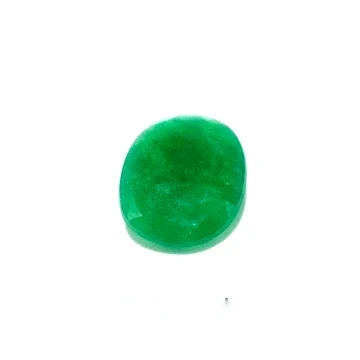
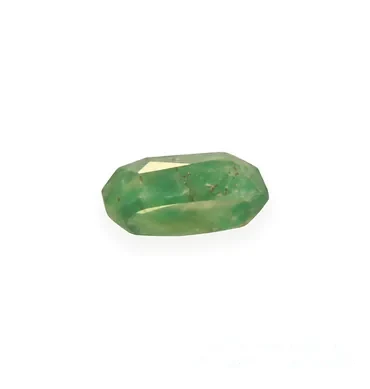
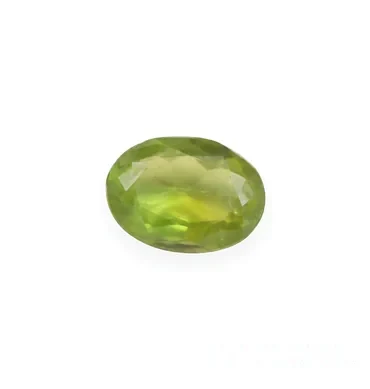
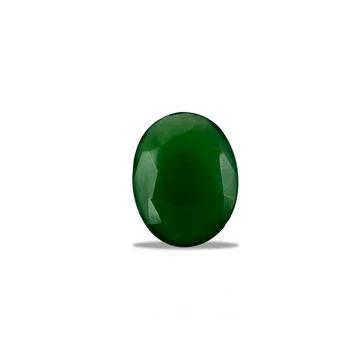
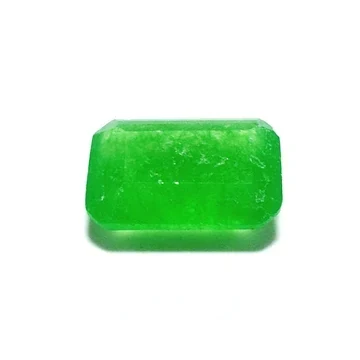
We currently list Swat emeralds such as this 1.00 carat Swat Zamurd and this 1.50 carat Swat Zamurd. Each stone is photographed and priced on its own. The origin shown is the origin as supplied to us. If origin matters to you, ask on WhatsApp before you buy; a certificate is available on request and independent lab testing can be arranged. See all emeralds, or read about emerald as May's birthstone.
References
Related
- Gemstone Mines of Pakistan: Regions, Stones and Honest Origin Claims
- Gemstone Origins: Where Pakistan's Favourite Stones Come From
- Swat vs Zambian vs Colombian Emerald: How They Differ
- How to Identify a Natural Emerald (Zamurd / Panna)
- Emerald's Jardin, Oiling and the Fakes That Fool Buyers
- Lab-Certified Emerald (Zamurd)
- May Birthstone: Emerald (Zamurd)