
Gemstones by purpose
Spiritual Gemstones: Aqeeq, Dur-e-Najaf and More روحانیت
In short: The gemstones most valued for spiritual reasons in Pakistan are Aqeeq, Dur-e-Najaf, Moh-e-Najaf and Feroza, rooted in Muslim and Persian custom, along with amethyst, traditionally linked with prayer in several faiths. People wear them as reminders and for their associations with respected people and places. We describe these traditions respectfully and give no religious rulings.
The stones most valued for spiritual reasons in Pakistan are Aqeeq, Dur-e-Najaf, Moh-e-Najaf and Feroza, all rooted in Muslim and Persian custom, along with amethyst, long linked with prayer in several faiths. People wear them as reminders and for their associations with respected people and places. We describe these traditions with respect and give no religious rulings.
- Traditions
- Islamic, Persian, Christian
- Common choices
- Aqeeq, Dur-e-Najaf, Moh-e-Najaf, Feroza
- Clear stones
- Dur-e-Najaf is rock crystal, 7 Mohs
From the vault
Shop stones with a spiritual tradition

GemStore team — written by the people who list and pack every stone.
Reviewed on
Traditional belief vs gemmology: anything on this page about luck, protection, planets, healing or religious tradition describes traditional and cultural beliefs — not proven effects, religious rulings or medical advice. A stone's identity, hardness, treatment and origin are gemmology, which a lab can test; the references at the end of the page cover that side.
Which stones, and why
Aqeeq
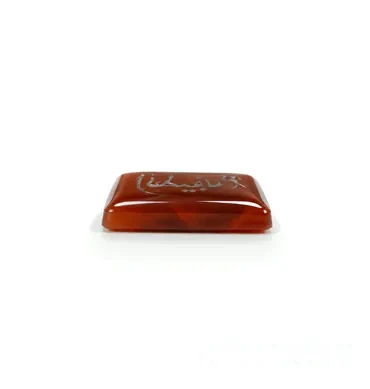
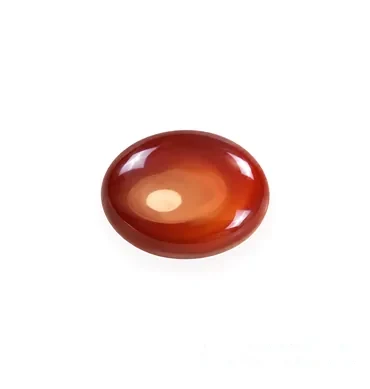
Aqeeq rings appear in narrations widely quoted in South Asia, and many Muslims wear one as a sunnah-inspired custom. Engraved Aqeeq with a name or verse is common.
Dur-e-Najaf
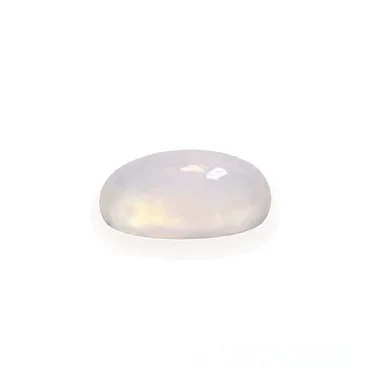
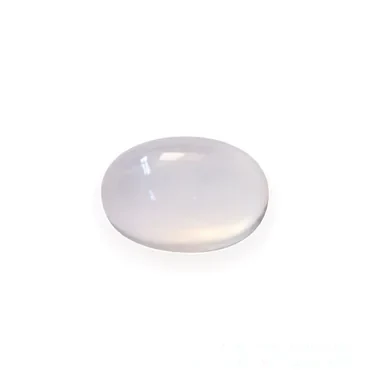
Dur-e-Najaf is clear rock crystal traditionally associated with Najaf in Iraq. It is especially treasured in Shia tradition and worn as a ring or tasbih.
Moh-e-Najaf
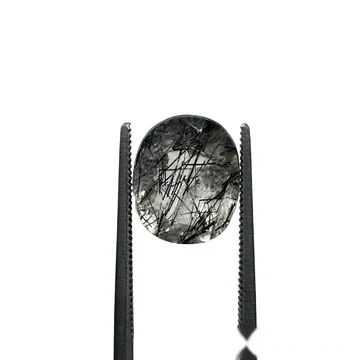
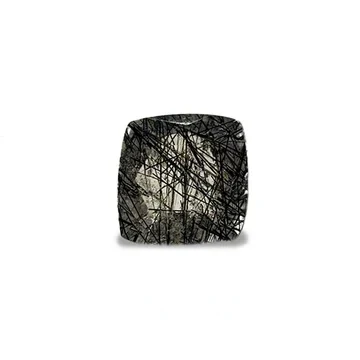
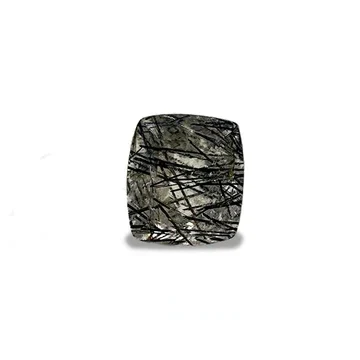
Moh-e-Najaf is quartz with fine hair-like needles inside, valued in the same tradition.
Feroza
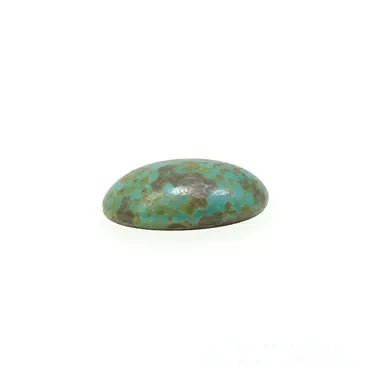
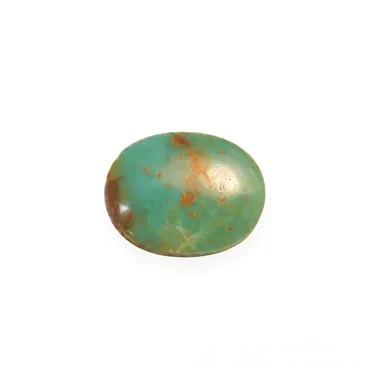
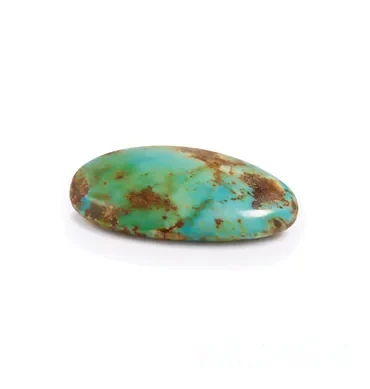
Feroza has a long Persian heritage and is often paired with Aqeeq.
Amethyst
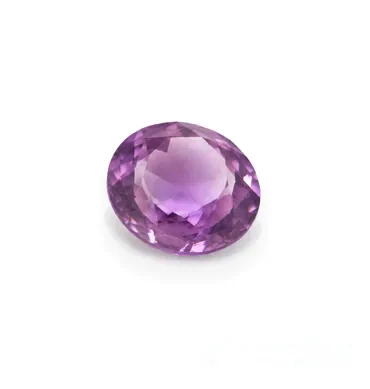
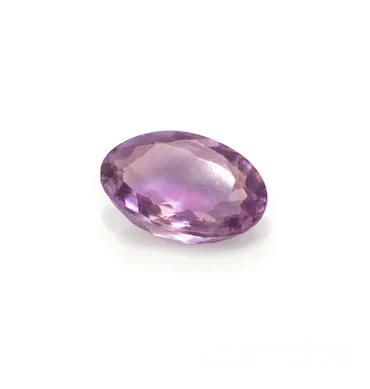
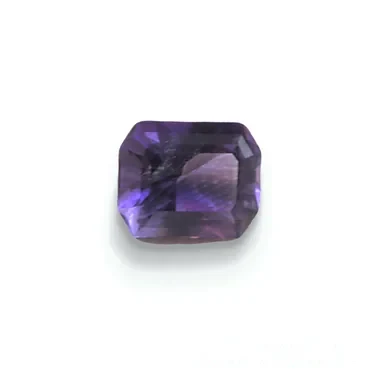
Amethyst has been linked with prayer and contemplation in Christian and Western traditions.
How to choose among them
- For a first ring: Aqeeq, in red, brown or Yemeni-style shades.
- For a clear stone: Dur-e-Najaf. Natural crystal feels cool and may show tiny inclusions; glass often shows round bubbles.
- For needles: Moh-e-Najaf. Look for fine, natural-looking needles. See Moh-e-Najaf or glass.
For questions of faith, please ask your own scholar. More in our Islamic gemstones guide.
How these stones are traditionally worn
Aqeeq and Dur-e-Najaf are most often set in silver, as many Muslim men avoid gold, and worn on the right hand. Dur-e-Najaf and Aqeeq are also popular as tasbih beads. Many people keep the ring clean and remove it in places they consider unsuitable, following family custom.
These are beliefs handed down through families and traditions. They are not promises, and no stone can guarantee an outcome. Choose a stone you like and can afford, and treat the tradition as part of its story.
References
Related