
Gemstones by purpose
Gemstones for Protection and Against Nazar حفاظت
In short: The stones most often worn for protection in Pakistan are Aqeeq, black and Sulemani agate, Lehsunia (cat's eye) and Feroza. Each comes from a different tradition: Islamic and Persian custom for Aqeeq and Feroza, Vedic astrology for Lehsunia, and household folk belief for dark agates worn against nazar. These are beliefs, not guarantees.
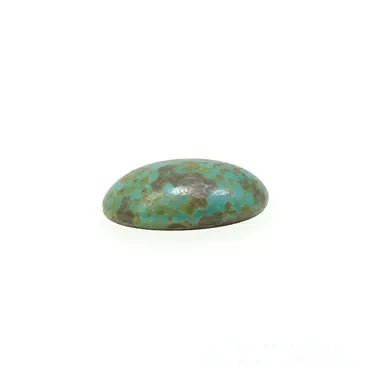
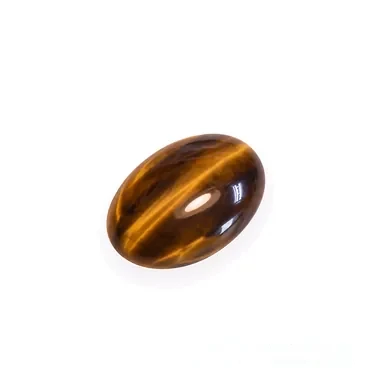
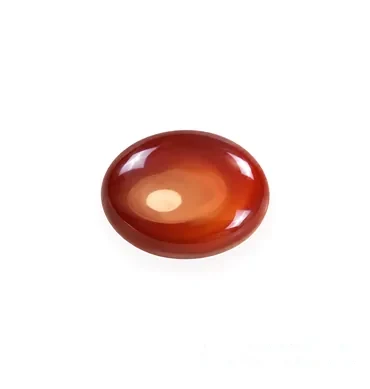
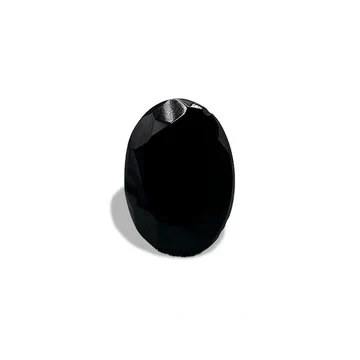
The stones most often worn for protection in Pakistan are Aqeeq (agate), black and Sulemani agate, Lehsunia (cat's eye) and Feroza (turquoise). Each comes from a different tradition: Islamic and Persian custom for Aqeeq and Feroza, Vedic astrology for Lehsunia, and household folk belief for the dark agates worn against nazar.
- Traditions
- Islamic and Persian, Vedic, folk
- Common choices
- Aqeeq, black agate, Sulemani, Lehsunia, Feroza
- Daily wear
- Agates are hard enough (about 6.5–7 Mohs)
From the vault
Shop stones worn for protection
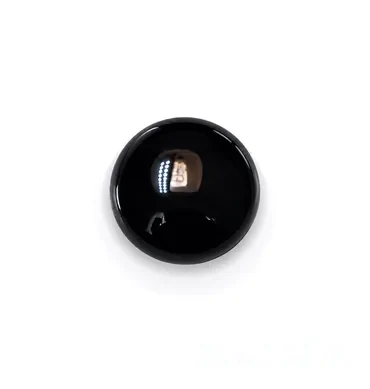
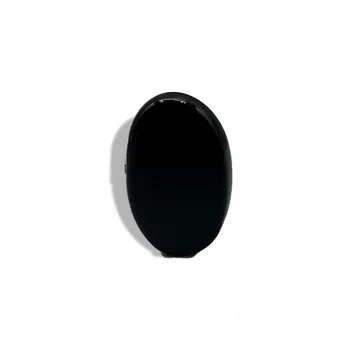
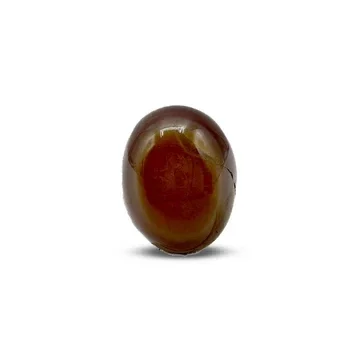

GemStore team — written by the people who list and pack every stone.
Reviewed on
Traditional belief vs gemmology: anything on this page about luck, protection, planets, healing or religious tradition describes traditional and cultural beliefs — not proven effects, religious rulings or medical advice. A stone's identity, hardness, treatment and origin are gemmology, which a lab can test; the references at the end of the page cover that side.
Which stones, and why
Aqeeq
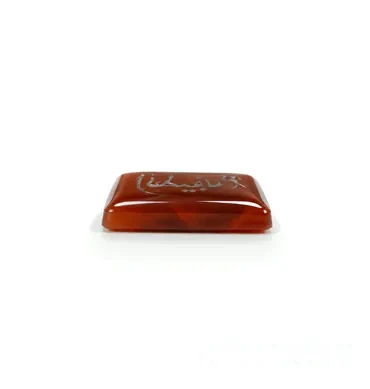
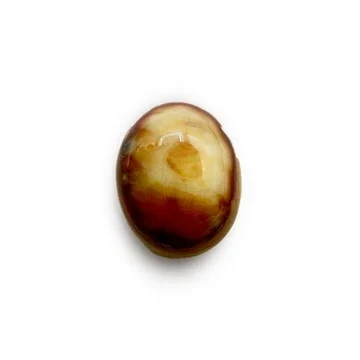
Aqeeq rings hold a long place in Muslim tradition across South Asia, and many families give one to a son or a traveller. Red and brown Aqeeq are the classic choices, often engraved with a name or verse.
Black and Sulemani agate
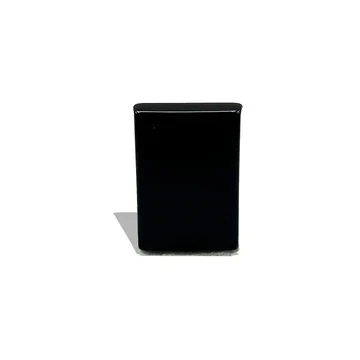
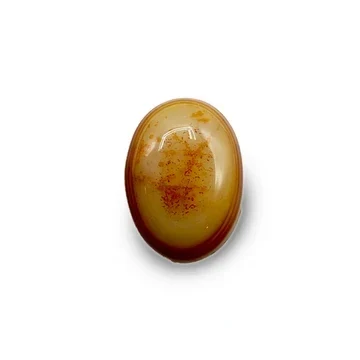
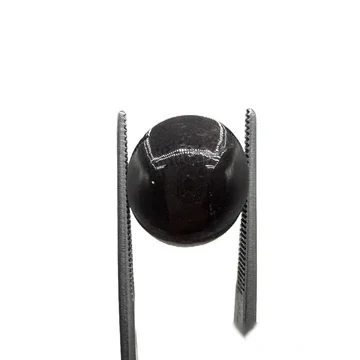
In folk belief a dark stone absorbs the evil eye. Black agate and banded Sulemani agate are the usual picks, and the eye-like bands of Sulemani are part of its appeal.
Lehsunia
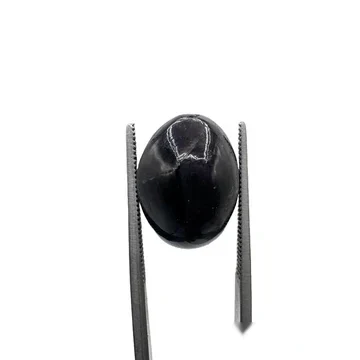
Vedic astrology assigns Lehsunia (cat's eye) to Ketu and traditionally recommends it to guard against sudden setbacks. Astrologers usually prescribe it only after reading a chart.
Feroza
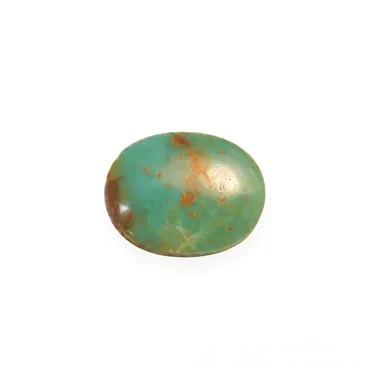
Persian custom has long treated Feroza as a guardian stone for travellers and riders.
How to choose among them
- For a first ring or a gift: Aqeeq or Sulemani agate. Both are hard enough for daily wear and come in many sizes.
- On an astrologer's advice: Lehsunia. Look for a sharp, straight eye that moves across the dome under a single light.
- For colour: Feroza, but ask whether it is stabilised. We disclose it when it is.
Most black agate on the market is dyed chalcedony; read our black agate buying guide before you buy.
How these stones are traditionally worn
Aqeeq is usually set in silver and worn on the right hand, often on the ring finger or little finger. Lehsunia is traditionally set so the stone touches the skin and worn on the middle or little finger. Black agate and Sulemani are often worn as rings or carried as small tumbled stones. A short tasbih of agate beads is another common way to keep one close.
These are beliefs handed down through families and traditions. They are not promises, and no stone can guarantee an outcome. Choose a stone you like and can afford, and treat the tradition as part of its story.
References
Related