In this article
- GemStore's iron tiger eye prices
- Why weight can mislead with tiger iron
- What sets the price
- Where tiger iron comes from, and does it matter?
- How per-ratti quotes work in the bazaar
- How to compare quotes
- Budget tiers
- Related stones and how they compare on price
- Questions to ask before you pay
- Wearing tiger iron
- Buying iron tiger eye from GemStore
- خلاصہ

GemStore team — written by the people who list and pack every stone.
Reviewed on
Iron tiger eye, also called tiger iron, is one of the more affordable natural stones you can buy in Pakistan, and one of the most striking: golden tiger eye, brick-red jasper and steel-grey hematite folded together in bands. Because it is not a rare gem, buyers are sometimes surprised that prices for similar-looking stones still differ. The difference is real, and it comes down to things you can judge from a good photo or video.
This article explains what drives the price of iron tiger eye, shows GemStore's own price range in the table below, and explains why weight-based quotes can mislead for this particular stone. If you are buying your first piece, our tiger iron buying guide for beginners covers the basics of choosing one.
GemStore's iron tiger eye prices
The table is built from our own iron tiger eye listings and refreshed monthly. It shows the lowest, typical and highest price per stone, plus per carat and per ratti.
| Weight | Weights | Stones | Per carat | Per ratti |
|---|---|---|---|---|
| All Iron Tiger Eye in stock | 11.8 – 52.9 ct | 19 | Rs 150 – Rs 230 | Rs 140 – Rs 210 |
The per-ratti figures use the standard gemstone ratti of 0.91 carat. For a stone like tiger iron, the price per stone column is usually the most useful one, for reasons explained below. For other stones and categories, see our monthly gemstone price guide.
Why weight can mislead with tiger iron
Most gem prices in Pakistan are quoted by weight, per carat or per ratti. For iron tiger eye that habit needs care. The hematite bands are very dense, much heavier than quartz, so a piece of tiger iron weighs noticeably more than an agate or plain tiger eye of exactly the same size and shape. A stone with more hematite weighs more again.
Two consequences follow:
- Per-carat comparisons with other stones mean little. A tiger iron and a tiger eye with the same face size will show different carat weights, and so different per-carat prices, even if they cost the same to buy.
- Between two tiger irons, the heavier one is not always the bigger-looking one. A grey-heavy stone can outweigh a more colourful, larger-faced one.
The practical answer is to ask for the dimensions in millimetres as well as the weight. Face size is what you see on your finger. Our carat to ratti converter still helps when you need to match a weight your astrologer has given, but for comparing value, size and pattern come first.
What sets the price
1. Pattern and balance of the three colours
The pattern is the whole appeal of tiger iron, so it carries most of the price. Stones with crisp, clearly separated bands of gold, red and grey across the face sell for more than pieces that are mostly grey or mostly red. Bands that fold, wave or form a bold stripe across the centre of a cabochon are especially liked for men's rings.
2. Strength of the shimmer
The golden bands should show chatoyancy, a silky band of light that rolls across them as the stone moves. Strong, bright shimmer depends on the cutter orienting the stone well. A flat, lifeless gold band costs less, even with good colours.
3. Size and proportions
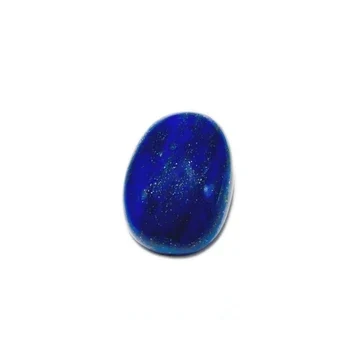
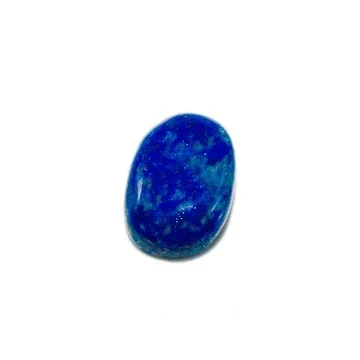
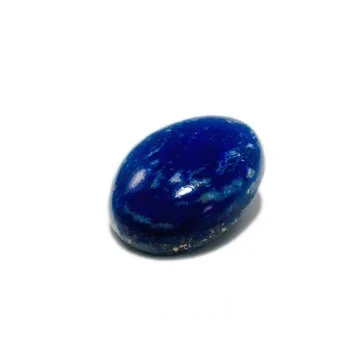
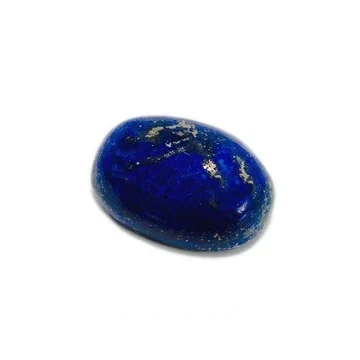
Large pieces of tiger iron are not rare, so price rises with size more gently than for precious stones. But a large stone with good banding right across the face is scarcer than a large stone with one good stripe and plain areas. Many of our pieces are cut in the larger sizes suited to bold rings and pendants, such as the 11.80 carat iron tiger eye and the 17.00 carat iron tiger eye.
4. Cut and shape
Tiger iron is usually cut as a cabochon, sometimes as a flat tablet for signet-style rings. A symmetrical oval or cushion with an even dome and a neat, flat base costs more than a lopsided or very thick piece. A heavy, deep base adds weight, and therefore a per-carat price, without adding anything you can see.
5. Finish and polish
The three materials differ in hardness, so polishing them evenly takes skill. On a well-finished stone the surface feels level when you run a fingertip across the bands. A cheaper finish leaves the softer bands slightly lower or dull. This is one of the clearest quality signs, and it shows in a good video.
6. Cracks
Small cracks can form where the bands meet. A crack running across a ring stone is a weak point and lowers value. Look at the junctions under a loupe or ask for a close-up.
7. Natural, dyed or composite
Dyed quartzite and composite stones with printed-looking, repeating bands are sold as tiger iron at times. They should be far cheaper. Natural banding is irregular, pinching and swelling as it goes. We disclose treatments where known.
8. Matched pairs and special cuts
Two stones with closely matching bands, cut for cufflinks or earrings, cost more than two random pieces, because the cutter may go through a lot of rough to find a match. The same applies to carved pieces, beads with even banding for a tasbih, and large flat slabs for signet rings. If you need a pair, say so before you compare prices, since the matching is part of what you pay for.
Where tiger iron comes from, and does it matter?
The classic source of tiger iron is Western Australia, where the banded material formed in very old rock layers. Similar banded iron stone comes from other places too. Unlike sapphire or emerald, origin has little effect on the price of tiger iron. A seller who charges extra for a named source without showing you a better pattern is charging for a label. Judge the stone in front of you: bands, shimmer, polish and soundness.
How per-ratti quotes work in the bazaar
Some dealers quote tiger iron per ratti; many simply price per piece. If a per-ratti rate is used, the total is weight in ratti multiplied by the rate. Ask which ratti:
- Standard gemstone ratti: 0.91 carat (about 0.182 g), used by GemStore.
- Jeweller's sunari ratti: about 0.61 carat (0.1215 g).
An 18.20 carat stone is 20 standard ratti but about 30 sunari ratti, so a sunari-ratti rate looks lower while the total may not be. Convert every quote to a total for the loose stone, then compare.
How to compare quotes
- Get the size in millimetres and the weight in carats. Compare stones of similar face size.
- Ask for a video in daylight. Shimmer and polish only show when the stone moves.
- Compare similar patterns. A well-balanced three-colour stone and a mostly grey one are different products.
- Confirm natural, undyed material. Put it in writing.
- Price the loose stone separately from the ring. A heavy silver ring for a large stone can cost more than the stone.
- Weigh the buying terms. Cash on Delivery, inspection before payment and returns reduce your risk.
Budget tiers
Our shop filters group stones into four price bands. Check the table above to see where our iron tiger eye falls, then filter:
- under 5,000 rupees: look for natural banding and a sound, crack-free stone. Accept a simpler pattern.
- 5,000 to 20,000 rupees: aim for all three colours across the face, good shimmer and a level polish.
- 20,000 to 50,000 rupees and over 50,000 rupees: check the table to see whether any of our tiger iron reaches these bands. A piece priced at this level should show an outstanding pattern and size, so compare carefully.
The filters cover the whole shop; choose iron tiger eye from the category list or go straight to our iron tiger eye collection.
Related stones and how they compare on price
- Tiger eye (chashm-e-babri): the golden quartz on its own, without jasper or hematite. See our tiger eye collection and the planned tiger eye price guide.
- Hematite (sang-e-hadeed): the metallic grey band on its own. Our article on what hematite should cost explains the imitation "hematine" to avoid.
- Jasper: the red band's stone family. See what you pay for in jasper.
Questions to ask before you pay
- Is this natural tiger iron, and is any part of it dyed or reconstructed?
- What are the dimensions in millimetres, and what is the weight in carats?
- Can I see a short video under one light, tilting the stone?
- Are there any cracks along the band junctions?
- Is the price for the loose stone, and what would a silver setting add?
A seller who answers these plainly is usually a seller worth buying from.
Wearing tiger iron
Tiger iron makes a substantial men's ring in a broad silver bezel; our planned guide to the gemstone ring for men covers styles and sizes. The quartz bands are hard, but the hematite is softer, so remove the ring for heavy work and clean it with lukewarm water and a soft cloth. Avoid ultrasonic cleaners.
Some people wear tiger eye stones in the belief that they support confidence and focus, and our confidence and success page lists them on that basis. That is a traditional belief, not a promised effect.
Buying iron tiger eye from GemStore
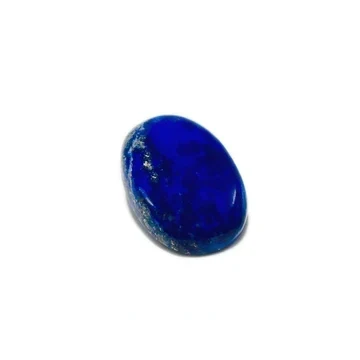
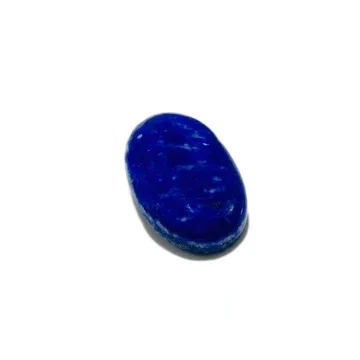
Because every piece of tiger iron has its own pattern, we photograph and list each stone singly, so the banding you see is the banding you receive. Other examples include the 15.10 carat and 15.40 carat pieces. A certificate is available on request.
Pay Cash on Delivery anywhere in Pakistan, inspect the stone before paying the rider, and return it within 7 days if it is not right. We dispatch in 1 to 2 working days, and delivery by insured, tracked courier usually takes about 7 working days. Ask for a video of any piece on WhatsApp at +92 308 887 3888.
Shop the stones: iron tiger eye.
The beliefs described here are traditions, shared for interest. They are not guaranteed outcomes, religious rulings or medical advice.
References