
Gemstones by purpose
Gemstones for Confidence and Success کامیابی
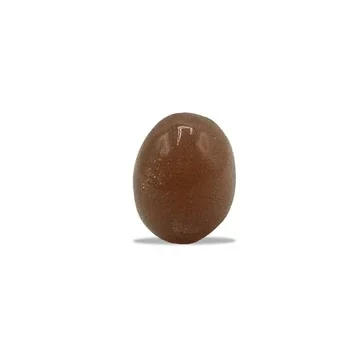
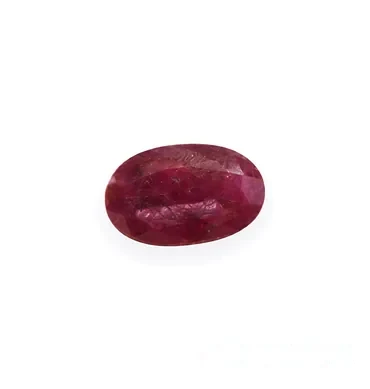
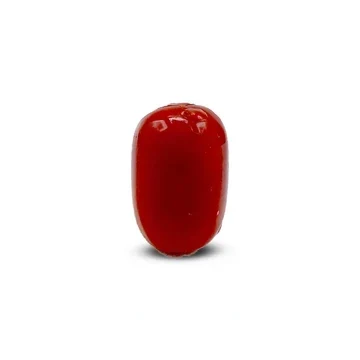
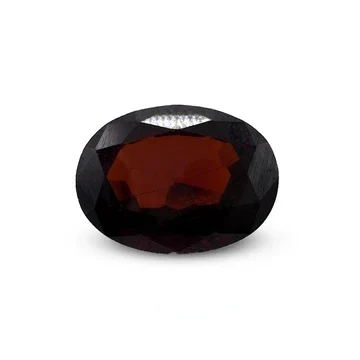
In short: The stones traditionally worn for confidence and success are Yaqoot (ruby), Marjan (red coral), tiger eye, sunstone and garnet. Vedic astrology ties ruby to the Sun and coral to Mars, two planets linked with authority and drive, while tiger eye and sunstone come from folk and modern Western belief. These are traditions, not guarantees.
The stones traditionally worn for confidence and success are Yaqoot (ruby), Marjan (red coral), tiger eye, sunstone and garnet. Vedic astrology ties ruby to the Sun and coral to Mars, two planets linked with authority and drive. Tiger eye and sunstone come from folk and modern Western belief. All of these are traditions, not guarantees.
- Traditions
- Vedic, Persian, folk
- Planets (Vedic)
- Sun: ruby. Mars: red coral
- Hardest choice
- Ruby, 9 Mohs


GemStore team — written by the people who list and pack every stone.
Reviewed on
Traditional belief vs gemmology: anything on this page about luck, protection, planets, healing or religious tradition describes traditional and cultural beliefs — not proven effects, religious rulings or medical advice. A stone's identity, hardness, treatment and origin are gemmology, which a lab can test; the references at the end of the page cover that side.
Which stones, and why
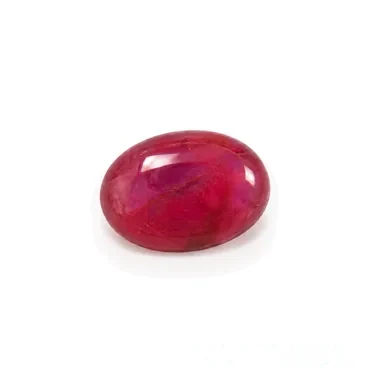
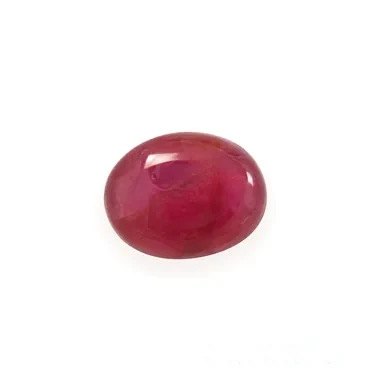
Yaqoot (ruby)
In Vedic astrology ruby is the stone of Surya, the Sun, traditionally worn for standing, leadership and recognition. Persian poets also prized Yaqoot as the king of stones.
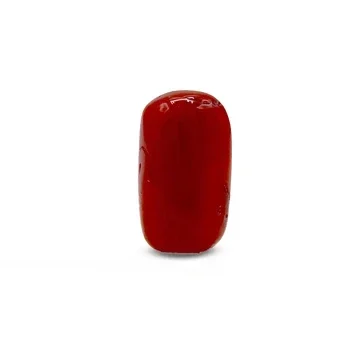
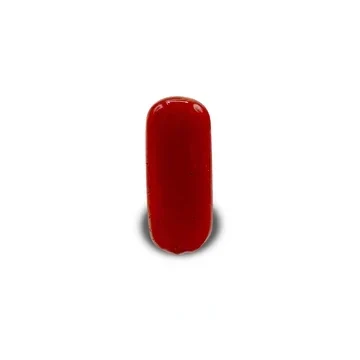
Marjan (red coral)
Red coral belongs to Mangal (Mars) in Vedic practice and is traditionally worn for courage and energy, often by those in sport, the forces or business.
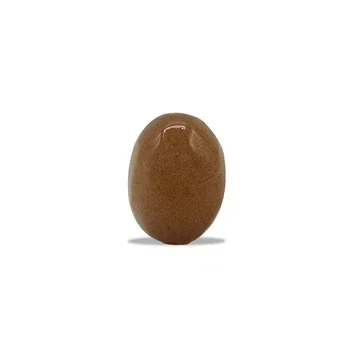
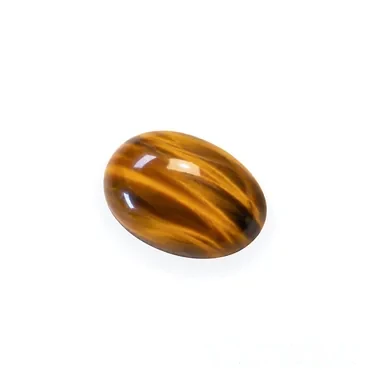
Tiger eye and sunstone
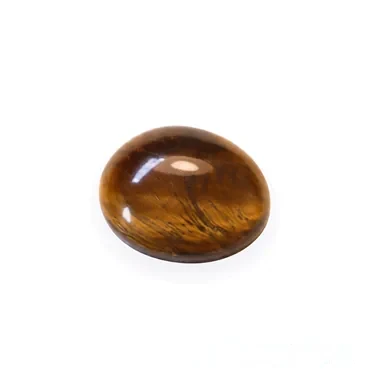
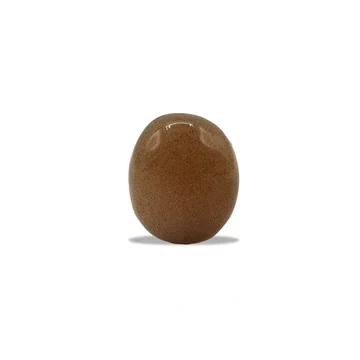
Folk belief treats tiger eye as a stone of nerve and clear decisions, while sunstone is linked with warmth and optimism in modern Western lore.
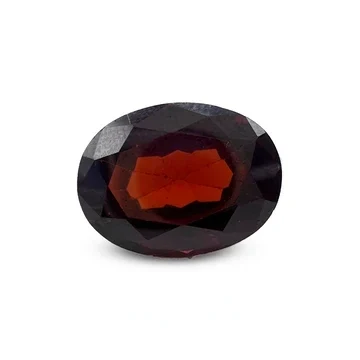
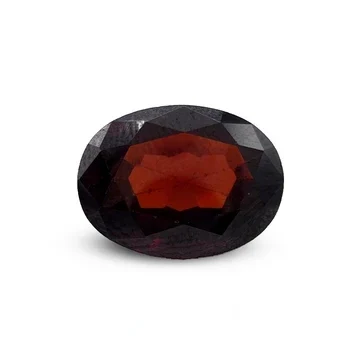
Garnet
Garnet is sometimes suggested as a Vedic substitute (uparatna) for ruby, and in European tradition it was a traveller's stone of resolve.
How to choose among them
- On an astrologer's advice: ruby or red coral, chosen from your chart. Ask us about heat treatment and any glass filling in ruby; we disclose both.
- For a first stone on a smaller budget: garnet or tiger eye. Both are durable and widely available.
- For daily wear: ruby is very hard (9 Mohs). Coral is soft (about 3–4) and needs a protective setting.
Our ruby quality guide and Marjan buying guide explain what to check.
How these stones are traditionally worn
Vedic custom sets ruby in gold or copper and puts it on first on a Sunday morning, while red coral is usually set in gold or copper and first worn on a Tuesday. Astrologers often name a minimum weight in ratti. Tiger eye, sunstone and garnet carry no such rules and are simply worn as rings or pendants.
These are beliefs handed down through families and traditions. They are not promises, and no stone can guarantee an outcome. Choose a stone you like and can afford, and treat the tradition as part of its story.
References
Related