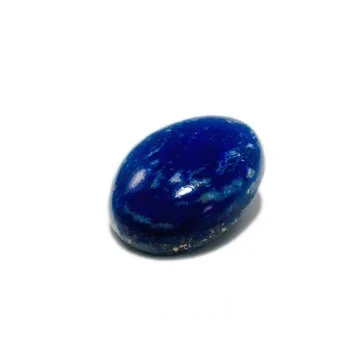
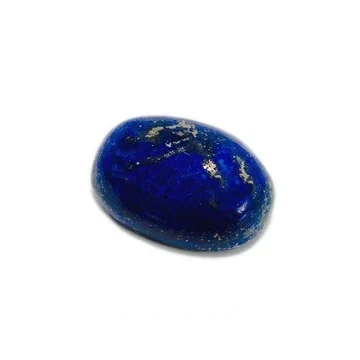
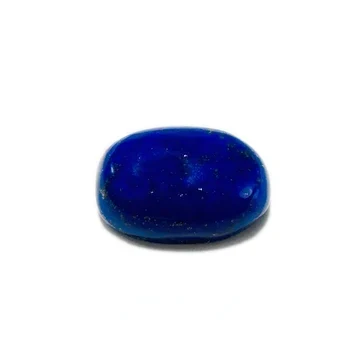
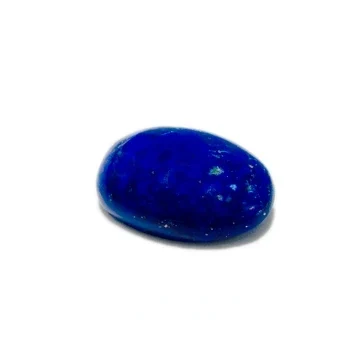
In this article
- Tiger eye prices from our listings
- The band of light comes first
- Colour and pattern
- Polish and finish
- Cut and orientation
- Size
- Tiger eye and iron tiger eye are priced differently
- Per carat or per ratti: reading a quote
- Natural colour versus treated colour
- How to compare two tiger eye quotes
- Budget tiers, by filter
- Wearing tiger eye
- Pricing traps to avoid
- Buying tiger eye from GemStore
- خلاصہ

GemStore team — written by the people who list and pack every stone.
Reviewed on
Tiger eye is one of the most affordable natural stones you can buy in Pakistan, and also one of the most widely available. Walk through any gem bazaar and you will see trays of golden-brown cabochons, sold as chashm-e-babri, at what look like very similar prices. Look closer and the stones are not similar at all.
A good tiger eye has a sharp, bright band of light that rolls across the stone as you turn it. A plain one has a dull, patchy shimmer. This guide explains what separates the two, how colour, polish, cut and size add to the price, and how to compare quotes per carat and per ratti. Our tiger eye collection shows each stone with its own photo and weight.
Tiger eye prices from our listings
The table below is generated from the tiger eye stones currently listed on GemStore and is refreshed every month. It gives the lowest, typical and highest price per stone, and the same figures per carat and per ratti.
| Weight | Weights | Stones | Per carat | Per ratti |
|---|---|---|---|---|
| All Tiger Eye in stock | 6.7 – 28.7 ct | 6 | Rs 80 – Rs 230 | Rs 70 – Rs 210 |
Because tiger eye is affordable, the gap between a plain and a fine stone can look small in rupees. In appearance, it is large. The factors below explain where a stone falls in that range. For other stones, see the monthly gemstone price guide.
The band of light comes first
The moving band on tiger eye is called chatoyancy, the same effect seen in cat's eye. It comes from fine, parallel fibres inside the stone, originally a fibrous mineral that has been replaced by quartz. How well that band shows is the main thing you pay for.
- Sharpness. A crisp, narrow band is worth more than a broad, blurry glow.
- Brightness. The band should be clearly lighter than the rest of the stone under ordinary room light.
- Movement. In a fine stone the band rolls smoothly from side to side as you tilt it. In a poor one it flickers or jumps between patches.
- Continuity. Breaks, dull zones or areas where the fibres change direction lower the price.
Still photos often hide this. Ask for a short video of the stone turning under one light; it tells you more than any description.
Colour and pattern
Classic tiger eye is golden yellow to honey brown, with darker brown bands. Even, rich gold with bright chatoyancy sits at the top of the range. Pale, greyish or muddy stones are more common and cost less.
Red, blue and mixed stones
- Red tiger eye, sometimes called ox eye, is usually golden tiger eye that has been heated to turn it red. Heating is a stable, accepted treatment but should be disclosed, and it does not make the stone rarer.
- Blue tiger eye, also sold as hawk's eye, is the same material before the fibres have fully altered, so it keeps a blue-grey colour. Good hawk's eye is less common than golden and can be priced a little higher.
- Mixed stones, showing gold and blue together, are priced on how attractive the pattern is.
Dyed tiger eye exists, often in bright red, green or pink. These colours do not occur naturally and should be sold at a lower price as dyed stones. Our planned guide to real and fake tiger eye covers dye and glass imitations.
Polish and finish
Tiger eye is around 6.5 to 7 on the Mohs scale, so it takes a good polish. A high, mirror-like polish brings out the band; a dull or wavy surface hides it. Because the stone is so affordable, some batches are cut and polished quickly, leaving faint scratches, flat spots or undercutting where softer zones polish lower than harder ones.
Check the surface in reflected light: the reflection of a window or lamp should look straight and sharp across the whole dome. A stone with excellent finish is worth paying a little more for, because no amount of wearing will improve a poor polish.
Cut and orientation
Tiger eye is cut as a cabochon, and the cutter must line up the fibres correctly so the band runs neatly across the centre. If the fibres sit at an angle, the band appears off-centre or splits into two. That is a cutting fault, and it lowers value.
- A medium-to-high dome shows a narrower, sharper band.
- A flat cabochon shows a broad, soft shimmer and is usually priced lower.
- Ovals are the standard ring shape; rounds and cushions are also common.
- A smooth, polished base helps it sit level in a setting.
Tiger eye is also carved into beads for tasbih and bracelets. Those are priced by the strand, and the same rules of band, colour and polish apply to every bead. See our tasbih page for choosing prayer beads.
Size
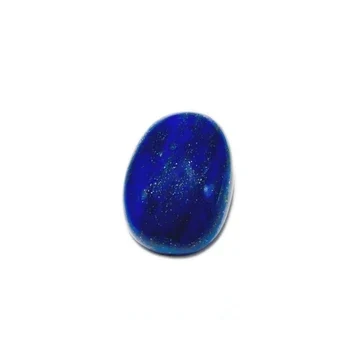
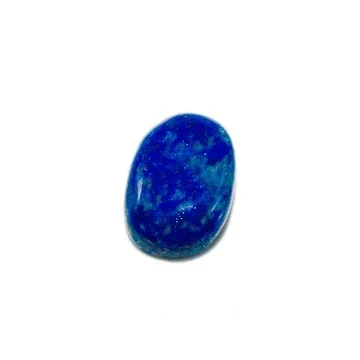
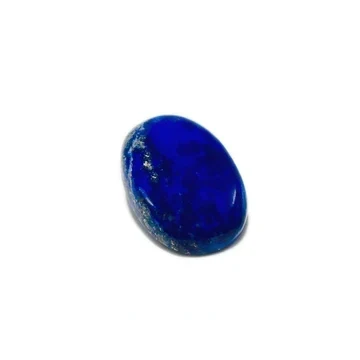
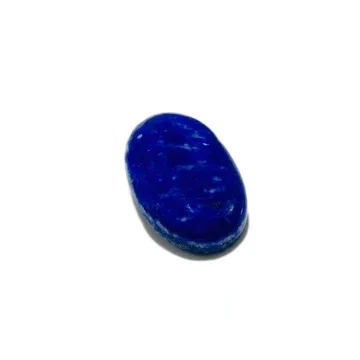
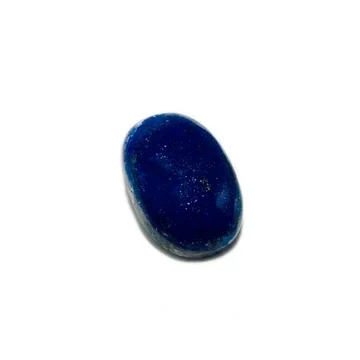
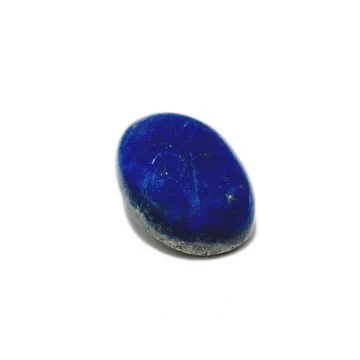
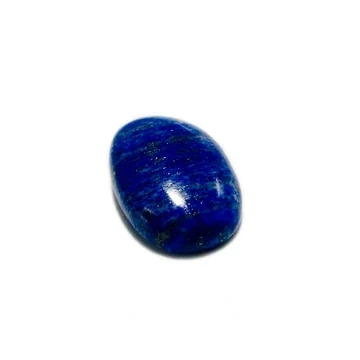
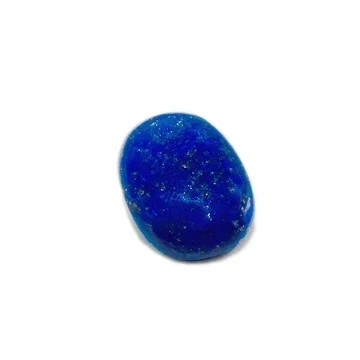
Tiger eye is found in large pieces, so size does not raise the price per ratti very sharply. What becomes rare in larger stones is consistency: an even colour and a sharp, central band across a big dome. A large stone that keeps both is worth more per ratti; a large stone with patchy colour is not. Compare our 11.00 carat chashm-e-babri with the 28.65 carat chashm-e-babri to see how size changes the look.
Tiger eye and iron tiger eye are priced differently
Iron tiger eye, or tiger iron, is a banded rock combining tiger eye with red jasper and grey hematite. It looks quite different and is priced on its pattern rather than on a moving band. If you are comparing quotes, make sure both sellers mean the same stone. Our iron tiger eye collection and the planned iron tiger eye price guide cover that stone.
Per carat or per ratti: reading a quote
Tiger eye in Pakistani markets is often quoted per ratti, though cheaper stones are also sold per piece. The standard gemstone ratti is 0.91 carat (about 0.182 grams). A jeweller's sunari ratti is smaller, about 0.1215 grams, roughly 0.61 carat. An 11 carat stone is about 12 standard ratti but about 18 sunari ratti, so always confirm which unit a seller is using. Our carat to ratti converter makes the sum easy.
Tiger eye is fairly dense for a quartz-based stone, so a ring-sized cabochon can weigh more than you expect. Compare weight and measurements together.
Natural colour versus treated colour
Golden tiger eye with an even, warm colour is untreated in most cases, and that is the stone most buyers want. Heating to produce red, and dyeing to produce bright colours, are both done to cheaper material. Neither is a problem when disclosed, but treated stones should sit at the lower end of the price range. GemStore states known treatments on each listing.
How to compare two tiger eye quotes
- Ask for a video of the actual stone turning under a single light.
- Confirm the colour is natural, heated or dyed.
- Get the weight in carats and agree on which ratti is meant.
- Check the polish in reflected light for scratches and flat spots.
- Make sure both sellers are quoting tiger eye, not iron tiger eye.
- Price the stone separately from any ring.
- Check what happens if the stone does not match the photos.
Budget tiers, by filter
Most tiger eye sits in the lower budget tiers, which makes it a good first stone or gift.
- under 5,000 rupees: where much good tiger eye is found, including well-cut ring stones.
- 5,000 to 20,000 rupees: larger stones and those with exceptional band and polish.
- 20,000 to 50,000 rupees and over 50,000 rupees: rarely needed for tiger eye; these tiers suit other stones.
For other affordable stones, read natural gemstones under 5,000 rupees.
Wearing tiger eye
Tiger eye is a practical everyday stone. It is tough, does not need special cleaning and suits silver well, which keeps the total cost of a ring modest. Many people wear it for its traditional association with confidence and protection, described as belief on our confidence and success page and in tiger eye in tradition.
Pricing traps to avoid
Because tiger eye is cheap to produce, the common problems are about description rather than rarity.
- "Rare red" or "rare blue" tiger eye. Red is usually heated golden stone, and while good blue hawk's eye is less common, neither should be priced as a rare gem.
- Bright pink, green or purple stones. These are dyed and should be clearly labelled.
- Glass "cat's eye" beads. Fibre-optic glass shows a very sharp, almost too-perfect band in bright, unnatural colours. It is a different product and much cheaper to make.
- Confusion with Lehsunia. Chrysoberyl cat's eye, sold as Lehsunia, is a far rarer and more costly stone. Tiger eye should never be sold at Lehsunia prices; see Lehsunia grading for the difference.
If a quote seems high, ask the seller to explain what makes that stone special. A good answer will point to the band, colour and polish you can see in a video. Our planned tiger eye buying guide covers choosing a stone in more detail.
Buying tiger eye from GemStore
Each tiger eye we list is photographed and priced on its own. Cash on Delivery is available anywhere in Pakistan, and you may open the parcel and inspect the stone before paying the rider. Orders are dispatched in one to two working days and arrive in about seven working days by insured, tracked courier, with seven-day returns. A certificate is available on request. For a turning video of any stone, message us on WhatsApp at +92 308 887 3888.
Shop the stones: tiger eye.
The beliefs described here are traditions, shared for interest. They are not guaranteed outcomes, religious rulings or medical advice.
References