
In this article

GemStore team — written by the people who list and pack every stone.
Reviewed on
Traditional belief vs gemmology: anything on this page about luck, protection, planets, healing or religious tradition describes traditional and cultural beliefs — not proven effects, religious rulings or medical advice. A stone's identity, hardness, treatment and origin are gemmology, which a lab can test; the references at the end of the page cover that side.
July is the month of the ruby - Yaqoot in Urdu and Manik in Vedic tradition. Of all the birthstones, ruby has the widest gap between a fine stone and a poor one, and one treatment in particular catches out many buyers. This guide is built as a checklist you can use when comparing stones.
What ruby is
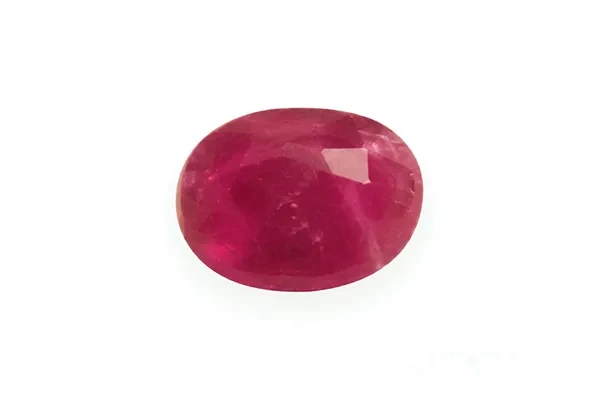
Ruby is red corundum, the same mineral as sapphire, coloured by chromium. Strong, clean red without over-darkening needs unusual growing conditions, which is why fine ruby is scarcer than fine sapphire of the same size. Lighter, pinkish corundum is classed as pink sapphire rather than ruby.
Checklist 1: the colour
- Aim for a vivid, pure red with a whisper of blue - the colour the trade has long called "pigeon's blood".
- Watch for drift towards pink (lower value), towards brown, or a stone so dark it closes up indoors.
- Check the stone in daylight. Ruby fluoresces, so under a jeweller's spotlight it can look spectacular and then fall flat at home.
Checklist 2: what is inside
Fine needles of rutile, called "silk", are normal in natural ruby and can even support a natural origin. What you do not want is a crack that reaches the surface, or silk so dense the stone turns milky and loses transparency.
Checklist 3: the treatment question
Heat is normal. Most ruby is heated to improve colour and clarity. It is permanent and accepted across the trade; an unheated ruby of good colour commands a premium, but a heated ruby is a genuine ruby. It simply needs to be disclosed, and we disclose treatments when known.
Glass filling is not the same thing. Badly fractured, low-grade material can be soaked in lead glass so it looks transparent and red. These stones are sold as ruby, sometimes very cheaply, yet they are fragile - jewellery repair heat or even household acids like lemon juice can damage them - and they are worth only a small fraction of a heated ruby. If a large, clean, deep red stone looks like a bargain, this is usually the reason. Ask directly, and for an important purchase ask for a certificate (available on request) or independent lab testing, which we can arrange.
Checklist 4: other imitations
Red glass, synthetic (lab-grown) ruby, garnet and red spinel are all sold as ruby at times. Lab-grown ruby often looks flawless and intensely red; glass may show round bubbles. A stone that seems too clean and too cheap deserves testing.
Checklist 5: value
Colour and treatment status move ruby prices much more than weight alone. Compare stones on their per-carat rate.
Living with a ruby
At 9 on the Mohs scale - second only to diamond - ruby is one of the few coloured stones built for a ring worn every day for decades. Clean it with warm soapy water and a soft brush. The exception is a glass-filled or heavily fractured stone: keep it away from ultrasonic cleaners and heat. One more reason to know exactly what you own.
A ruby as a gift
Ruby is the stone of passion and celebration in many cultures, which makes it a natural choice for a July birthday, an anniversary or a bridal set. A smaller stone with genuinely good colour will look richer than a large dark or pinkish one.
Manik and the Sun
In Pakistan, ruby often carries more astrological meaning than its July link suggests. In the Vedic navaratna it is Manik, associated with the Sun (Surya) and traditionally worn by Leo ascendants for confidence and authority - chosen by chart, not birth month. See gemstones by rashi, and our birthstone guide for the calendar tradition.
Buy with confidence
Each stone in our ruby collection is photographed as it is, weighed and priced on its own, with known treatments stated. Pay Cash on Delivery after inspecting the stone, and return it within 7 days if it is not right. For a deeper dive, read understanding rubies.
References











