In this article

GemStore team — written by the people who list and pack every stone.
Reviewed on
Traditional belief vs gemmology: anything on this page about luck, protection, planets, healing or religious tradition describes traditional and cultural beliefs — not proven effects, religious rulings or medical advice. A stone's identity, hardness, treatment and origin are gemmology, which a lab can test; the references at the end of the page cover that side.
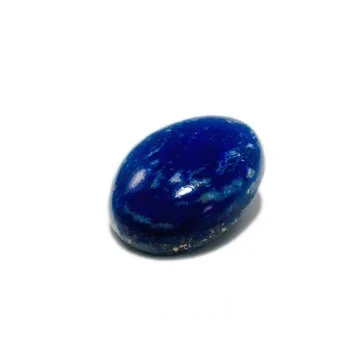
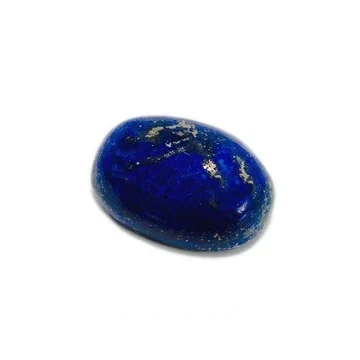
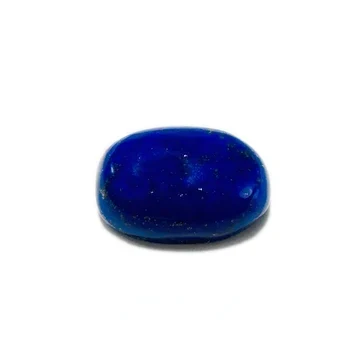
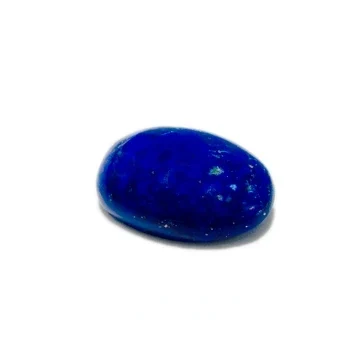
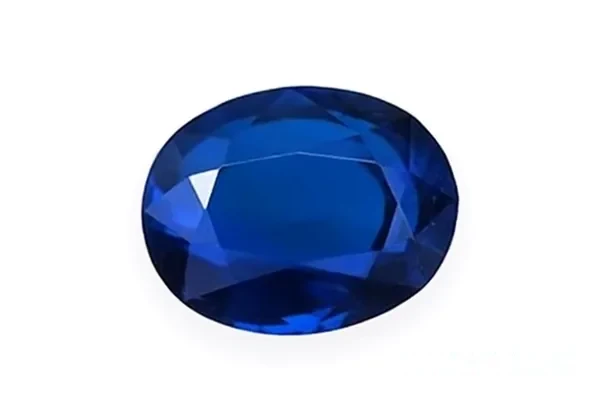
September's birthstone is the sapphire, known throughout Pakistan as Neelam. More buyers ask us about sapphire than about any other stone, and many of them are here for astrological reasons rather than a September birthday. Whatever your reason, the same practical questions decide whether a sapphire is a good one.
Sapphire basics
Sapphire is corundum - the same mineral as ruby - coloured blue mainly by iron and titanium. Corundum comes in almost every colour: red is called ruby, and the others are sapphires, including yellow sapphire, known here as Pukhraj, and pink, orange and colourless sapphire. Blue is the September classic.
Where it comes from changes the price
Sapphire is mined in many countries and the market prices each source differently, which is why two blue stones of similar weight can be very far apart in price.
- Kashmir - the legendary velvety cornflower blue from mines that were largely worked out in the late 1800s. Today it is mostly a collector and auction market, and any Kashmir claim needs independent lab support.
- Ceylon (Sri Lanka) - bright, clear, lively stones in lighter tones; the practical benchmark for a wearable sapphire, and the source of much of our blue sapphire.
- Burma (Myanmar) - deeper, richer "royal" blues.
- Africa - increasingly common, often darker, and generally the value end of the market.
We state the origin on the listing when we know it. If a seller cannot say, assume the most ordinary source.
Judging the stone in front of you
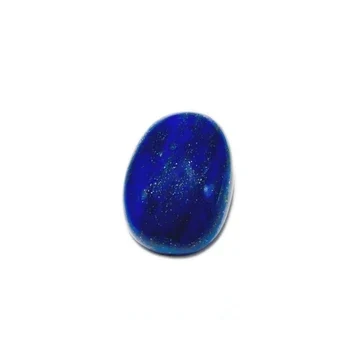
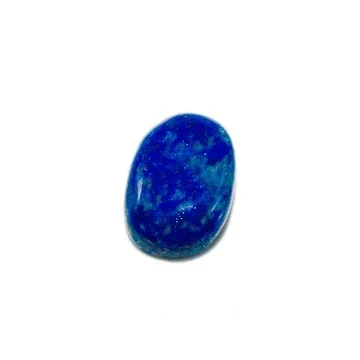
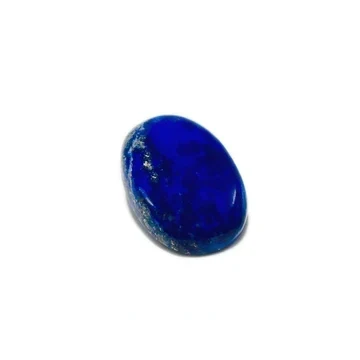
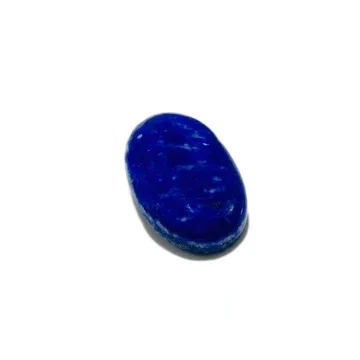
Avoid the "darker is better" trap. Very dark sapphire often looks black indoors. Look for a vivid blue that stays blue in ordinary room light, away from any spotlight.
Accept a little silk, reject cracks. Fine rutile needles are normal in natural sapphire; fractures reaching the surface are not.
Check for a window. Because rough is costly, cutters sometimes leave stones shallow to keep weight. Look straight down - if you can read through the centre, light is leaking out and the stone looks washed out.
Each listing on the sapphire category page shows the price of that individual stone.
Treatments and imitations
Heating is standard for sapphire and is stable and accepted; untreated stones with good colour carry a premium and should come with paperwork. Two treatments need particular care: diffusion, where colour is driven only into the surface of a pale stone and can be polished away during re-cutting, and lead-glass filling of fractured material. Both must be disclosed. Synthetic sapphire and blue glass are also sold as Neelam - often suspiciously clean and evenly coloured. A certificate is available on request, and independent lab testing can be arranged.
Neelam in Vedic tradition
Here sapphire differs from every other birthstone in Pakistan. In the Vedic navaratna, blue sapphire is the stone of Saturn (Shani), traditionally considered the fastest-acting and most powerful of the nine, and customarily worn only after consulting an astrologer and wearing it for a trial period. Yellow sapphire (Pukhraj) is a separate stone, associated with Jupiter. A stone chosen for a chart and a stone chosen as a birthstone may be quite different - see gemstones by rashi and our birthstone guide.
Durability and care
At 9 on the Mohs scale, sapphire is second only to diamond and ideal for a ring worn every day for decades. Warm soapy water and a soft brush keep it bright.
Sapphire as a gift
Blue sapphire is the classic choice for engagement and anniversary rings because it stands up to daily wear. For a September birthday, a bright Ceylon stone in a simple setting is hard to beat; if the gift has an astrological purpose, let the wearer consult their astrologer first.
Shopping sapphire at GemStore
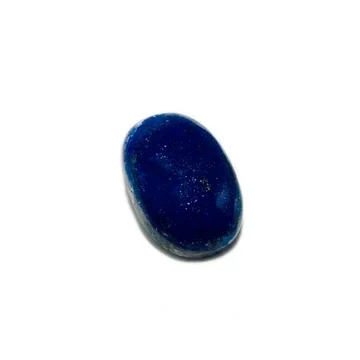
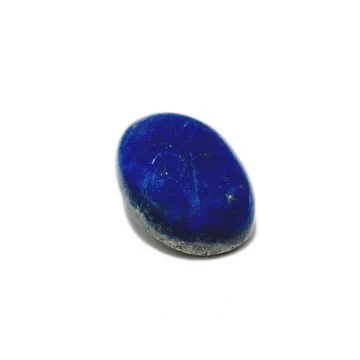
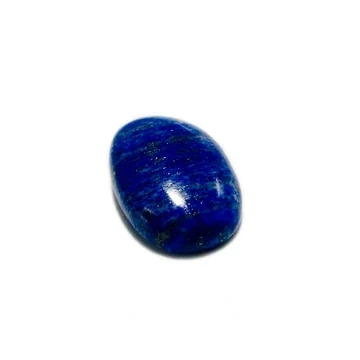
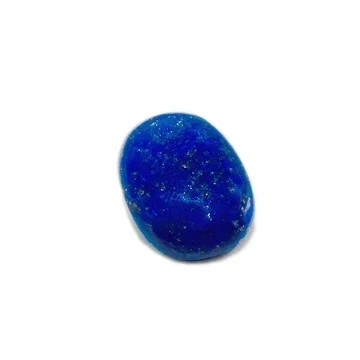
Each stone in our blue sapphire and yellow sapphire collections is photographed as it is, weighed and priced individually, with origin and treatment stated where known. Pay Cash on Delivery after inspecting it, with 7-day returns. For more on sources, read sapphire origins.
References