
Gemstones by purpose
Gemstones for Calm and Focus سکون
In short: Stones traditionally worn for calm and focus include Moti (pearl) and moonstone for the Moon, Zamurd (emerald) for Mercury, Jamunia (amethyst), Beruj (aquamarine) and Lajward (lapis lazuli). The links come from Vedic astrology, ancient Greek and Persian lore and modern folk belief, and no stone treats anxiety or improves study results.
Stones traditionally worn for calm and focus include Moti (pearl) and moonstone for the Moon, Zamurd (emerald) for Mercury, Jamunia (amethyst), Beruj (aquamarine) and Lajward (lapis lazuli). The links come from Vedic astrology, ancient Greek and Persian lore and modern folk belief. They describe what people believe, and no stone treats anxiety or improves study results.
- Traditions
- Vedic, Greek, Persian, folk
- Planets (Vedic)
- Moon: pearl. Mercury: emerald
- Easiest to wear
- Amethyst and aquamarine
From the vault
Shop stones worn for calm and focus

GemStore team — written by the people who list and pack every stone.
Reviewed on
Traditional belief vs gemmology: anything on this page about luck, protection, planets, healing or religious tradition describes traditional and cultural beliefs — not proven effects, religious rulings or medical advice. A stone's identity, hardness, treatment and origin are gemmology, which a lab can test; the references at the end of the page cover that side.
Which stones, and why
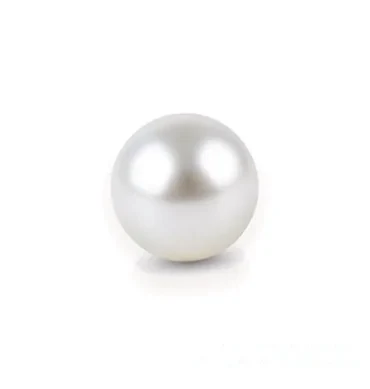
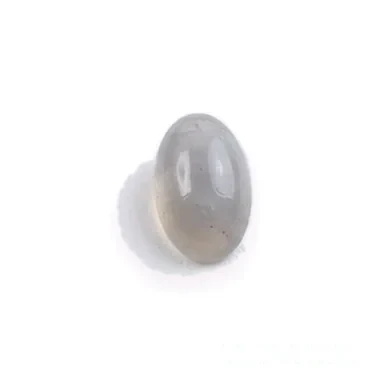
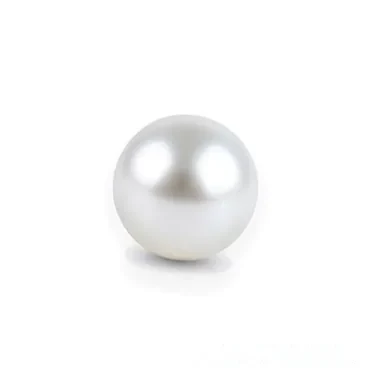
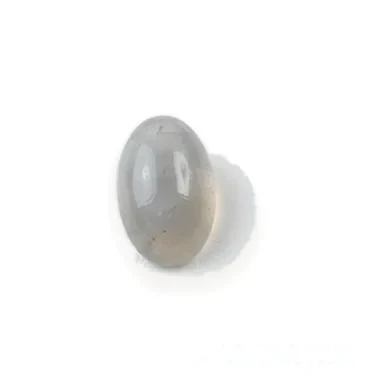
Moti and moonstone
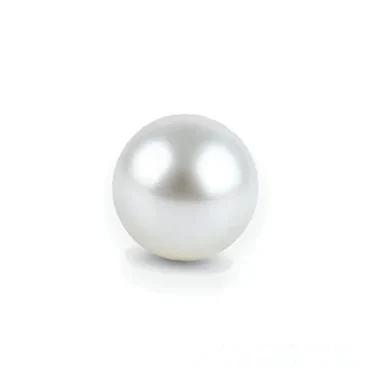
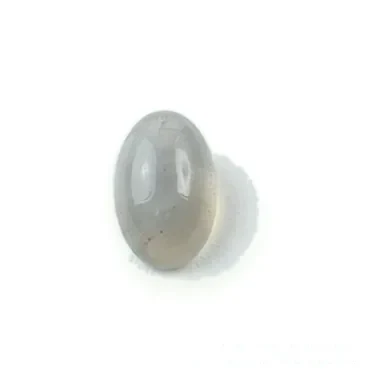
Vedic astrology links the Moon with the mind and moods, so pearl and moonstone are traditionally worn for a steady temper.
Zamurd
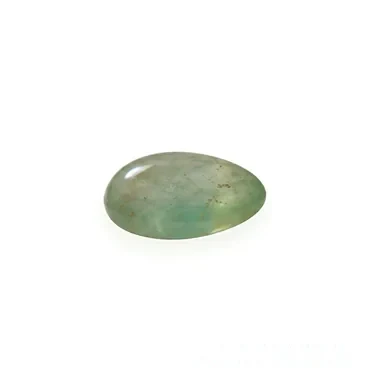
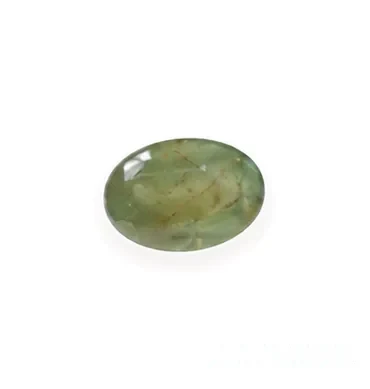
Emerald is the stone of Budh (Mercury), linked with speech, learning and quick thinking. Students are sometimes advised to wear it.
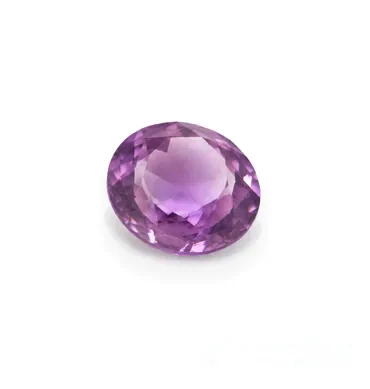
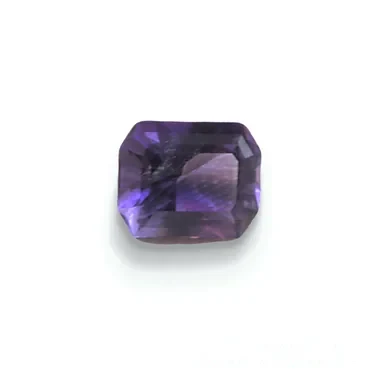
Jamunia
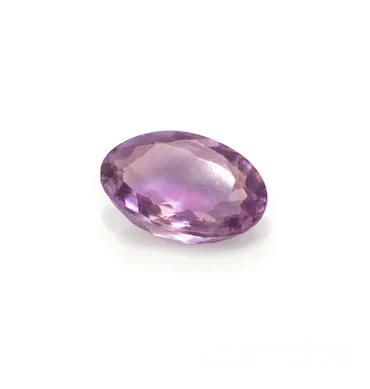
The Greek name amethyst means 'not drunk', and the stone was long linked with a sober, clear head. Amethyst is also a Vedic substitute for Neelam.
Beruj and Lajward
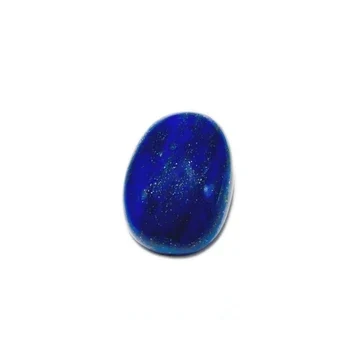
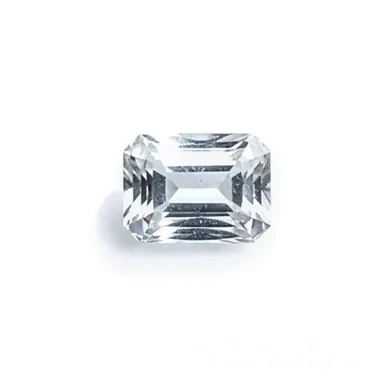
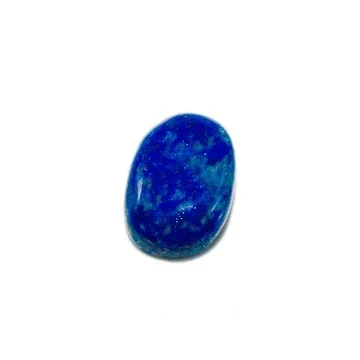
Sailors' lore tied aquamarine to calm seas. Lapis lazuli was prized in Persia and is linked in folk belief with clear thought.
How to choose among them
- For daily wear: amethyst or aquamarine. Both are hard (7 to 8 Mohs) and come in many sizes.
- On an astrologer's advice: pearl or emerald, chosen from your chart.
- For a deep blue: lapis. It is softer (about 5–5.5), so a pendant suits it well.
Emerald often carries natural inclusions and is usually oiled; our emerald guide explains what to expect.
How these stones are traditionally worn
Pearl is usually set in silver and first worn on a Monday on the little finger. Emerald is commonly set in gold or silver and first worn on a Wednesday, also on the little finger. Amethyst, aquamarine and lapis have no fixed Vedic rules, so people wear them as rings or pendants, or keep a loose stone on the desk.
These are beliefs handed down through families and traditions. They are not promises, and no stone can guarantee an outcome. Choose a stone you like and can afford, and treat the tradition as part of its story.
References
Related