
Zodiac gemstones
Cancer Gemstones: Pearl (Moti) and Moonstone برج سرطان
In short: The traditional Cancer stone is pearl (Moti), because Cancer, called Kark in Vedic astrology, is ruled by the Moon. Moonstone is the accepted substitute. Pearl is one of the gentler stones in the tradition, and many families give it without a full reading. It is traditionally worn on the little finger in silver from a Monday morning.
The traditional Cancer stone is pearl (Moti), because Cancer, called Kark in Vedic astrology, is ruled by the Moon. Moonstone is the accepted substitute. Pearl is one of the gentler stones in the tradition, and many families give it without a full reading. Below: how it is worn, what to check and how to look after it.
- Dates
- 21 June – 22 July
- Vedic name
- Kark
- Ruling planet
- Moon (Chandra)
- Primary stone
- Pearl (Moti)
- Secondary stone
- Moonstone

GemStore team — written by the people who list and pack every stone.
Reviewed on
Traditional belief vs gemmology: anything on this page about luck, protection, planets, healing or religious tradition describes traditional and cultural beliefs — not proven effects, religious rulings or medical advice. A stone's identity, hardness, treatment and origin are gemmology, which a lab can test; the references at the end of the page cover that side.
Primary stone: pearl (Moti)
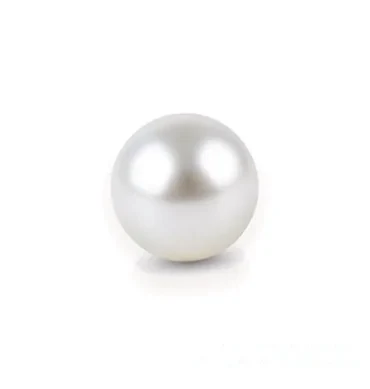
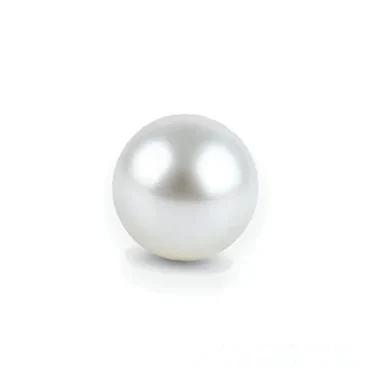
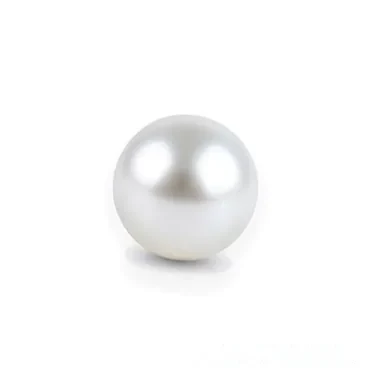
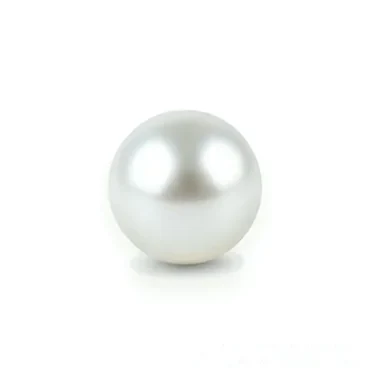
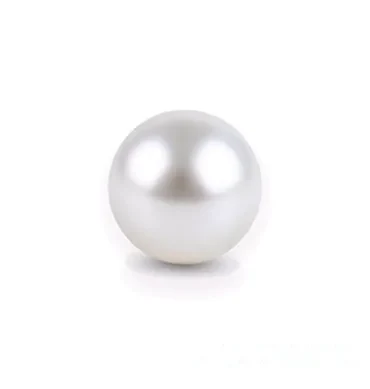
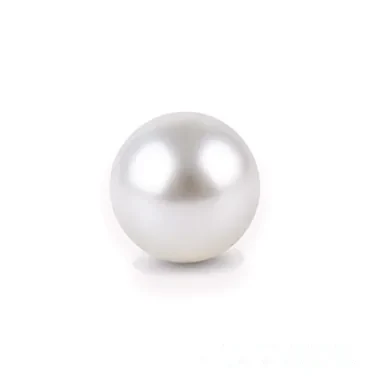
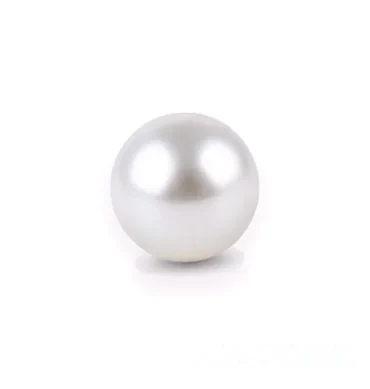
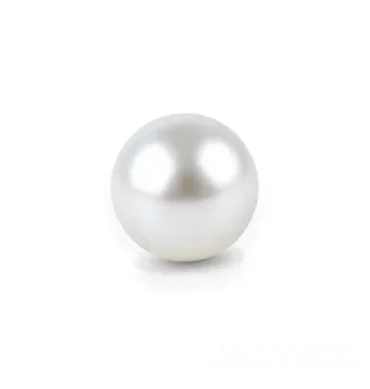
Pearl is the gem of the Moon (Chandra), traditionally linked with the mind, emotions, the mother and calm. It is organic and soft, with a glow called lustre that comes from layers of nacre. Browse loose pearl in our store.
Secondary stone: moonstone
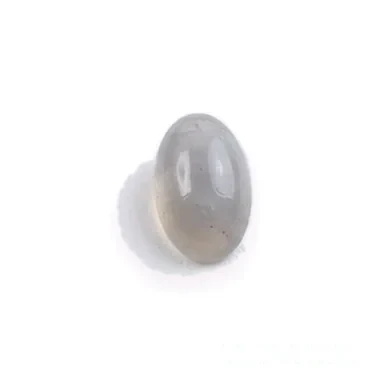
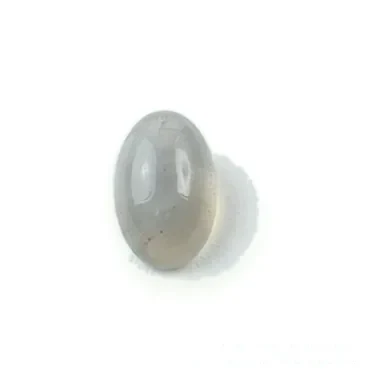
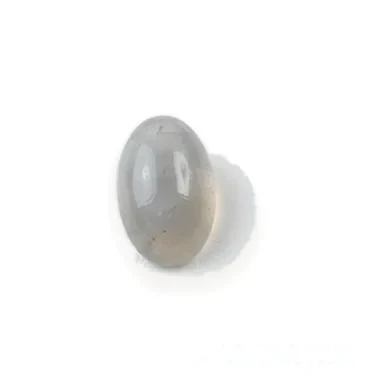
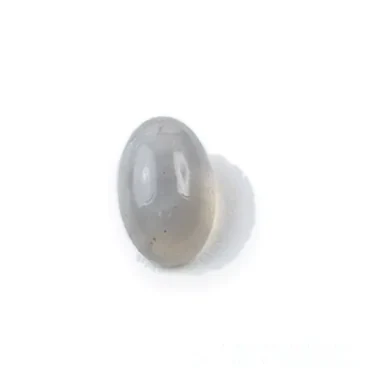
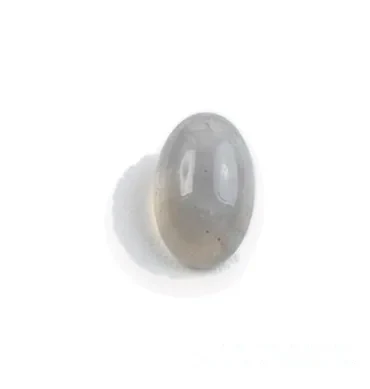
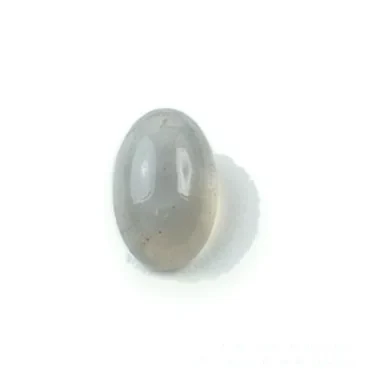
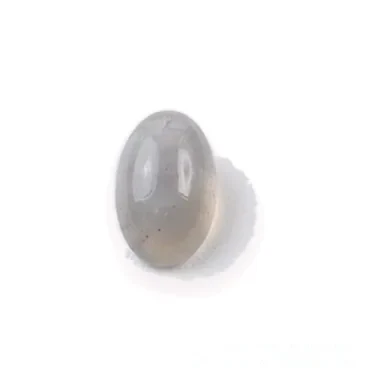
Moonstone is the substitute for pearl. Its floating blue or white sheen, called adularescence, is what buyers look for. In many readings pearl may also be worn with yellow sapphire (Pukhraj), one of the pairings the tradition commonly allows.
How pearl is traditionally worn
- Finger: the little finger.
- Metal: silver.
- Day: first worn on a Monday morning, the day of the Moon.
A pendant touching the skin is an accepted alternative to a ring, and is common for pearl.
What to check when buying pearl
- Ask whether the pearl is natural or cultured. Both have nacre; shell beads and glass imitations do not.
- Imitations feel smooth when rubbed gently against a tooth; real pearl feels slightly gritty.
- Look for sharp, bright lustre and a surface without dull patches.
- For moonstone, check the sheen moves as you tilt it; glass "opalite" glows evenly instead.
Read what decides a pearl's price and how we check every stone.
Budget
Pearl is priced on nacre, lustre, shape and origin. Moonstone is often found in the Under 5,000 and 5,000 to 20,000 filters; compare pearls across 5,000 to 20,000 and 20,000 to 50,000.
Care
Pearl is damaged by perfume, sweat and acids. Put it on last, wipe it after wearing and store it apart from harder stones. See our gemstone care guide and moonstone care.
Buying pearl and moonstone from GemStore
Each stone is photographed as it is and priced on its own, with known treatments disclosed. A certificate is available on request, and independent lab testing can be arranged. Pay by Cash on Delivery anywhere in Pakistan and open the parcel to inspect the stone before paying the rider. Dispatch is in 1–2 working days; see our delivery details. Many buyers want a round or near-round pearl for a ring; send us the size you have in mind and we will show what is listed.
The dates above are the Western sun-sign dates. In Vedic practice your rashi is the sign the Moon was in when you were born, and it often differs from your sun sign. Our rashi guide explains how to find it.
References
Related