
Gemstones by purpose
Gemstones for Wealth and Prosperity خوشحالی
In short: The stones traditionally worn for prosperity in Pakistan are Pukhraj (yellow sapphire), Zamurd (emerald), Sunehla (citrine), Neelam (blue sapphire) and jade. Pukhraj and Zamurd come from Vedic astrology, citrine from Western trader lore and jade from Chinese tradition. These are beliefs about fortune, and no gemstone can earn money for you.
The stones most often worn for prosperity in Pakistan are Pukhraj (yellow sapphire), Zamurd (emerald), Sunehla (citrine), Neelam (blue sapphire) and jade. Pukhraj and Zamurd come from Vedic astrology, citrine from Western trader lore and jade from Chinese tradition. These are beliefs about fortune; a gemstone cannot earn money for you.
- Traditions
- Vedic, Western folk, Chinese
- Planets (Vedic)
- Jupiter: Pukhraj. Mercury: Zamurd. Saturn: Neelam
- Budget substitute
- Citrine for Pukhraj
From the vault
Shop stones worn for prosperity




GemStore team — written by the people who list and pack every stone.
Reviewed on
Traditional belief vs gemmology: anything on this page about luck, protection, planets, healing or religious tradition describes traditional and cultural beliefs — not proven effects, religious rulings or medical advice. A stone's identity, hardness, treatment and origin are gemmology, which a lab can test; the references at the end of the page cover that side.
Which stones, and why
Pukhraj
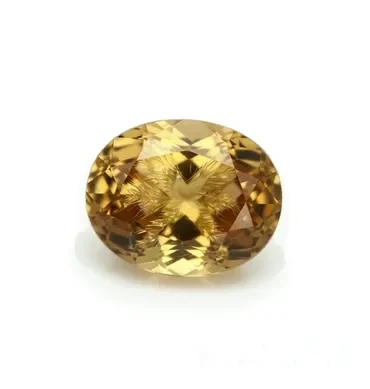
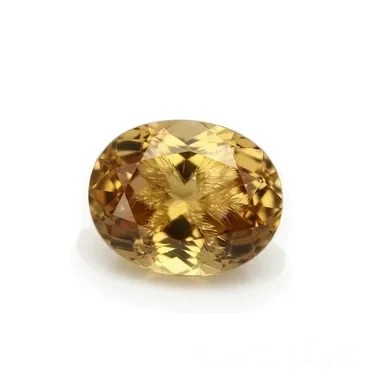
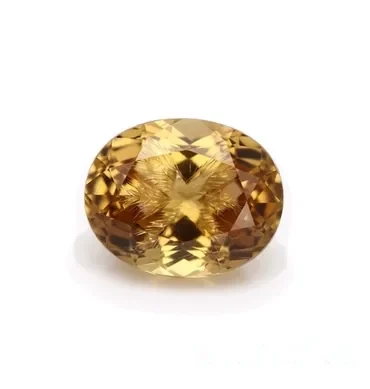
Yellow sapphire is the Vedic stone of Brihaspati (Jupiter), the planet of growth, wisdom and wealth. It is one of the most requested stones in Pakistan.
Zamurd
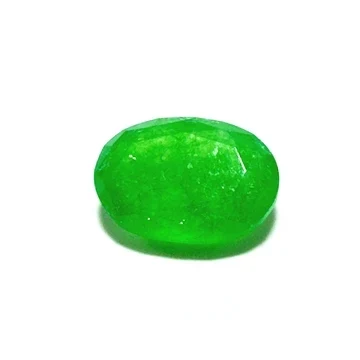
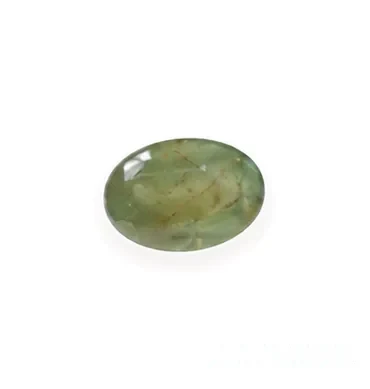
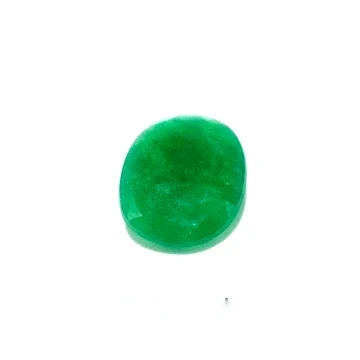
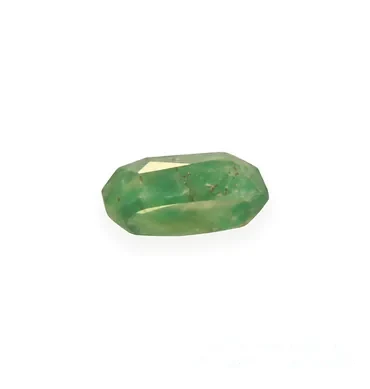
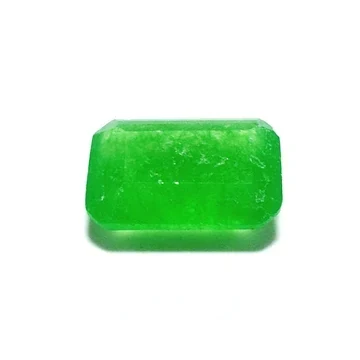
Emerald belongs to Mercury, the planet of trade and communication, so traders traditionally wear it.
Sunehla
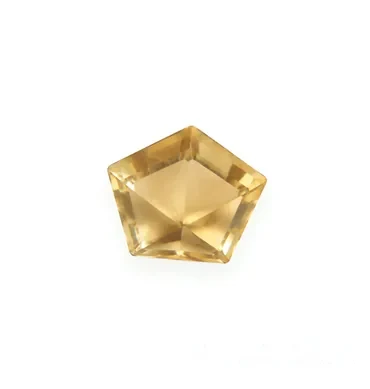
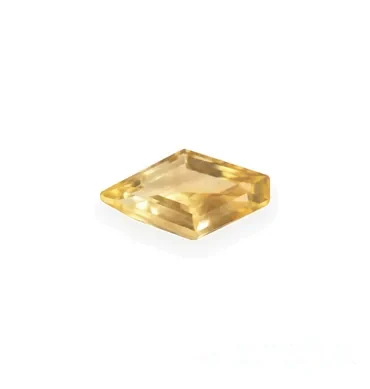
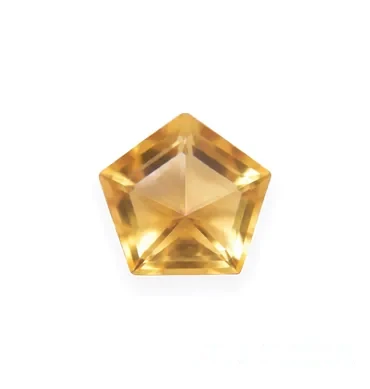
Citrine earned the name 'merchant's stone' in Western folk belief, and its golden colour makes it a popular substitute for Pukhraj on a smaller budget.
Neelam
Blue sapphire is linked with Saturn. Vedic tradition holds that it acts quickly for good or ill, so it is only worn on an astrologer's advice and often tried for a few days first.
Jade
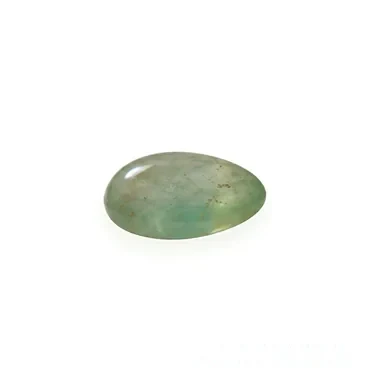
In Chinese tradition jade stands for good fortune and is often kept in shops.
How to choose among them
- On an astrologer's advice: Pukhraj, Zamurd or Neelam. Ask us whether the stone is heated; we disclose it.
- For a first stone: citrine or jade. Both are durable and come in a wide spread of qualities.
- For value: colour, clarity, size and origin drive price. See what makes one Pukhraj cost more.
How these stones are traditionally worn
Pukhraj is usually set in gold and first worn on a Thursday morning on the index finger. Neelam is traditionally set in silver or panchdhatu and worn on the middle finger from a Saturday. Citrine follows the Pukhraj custom when worn as its substitute, and jade is often kept as a carving or worn as a bangle or pendant.
These are beliefs handed down through families and traditions. They are not promises, and no stone can guarantee an outcome. Choose a stone you like and can afford, and treat the tradition as part of its story.
References
Related