
Birthstones
January Birthstone: Garnet (Yaqoot-e-Rumani) جنوری
In short: Garnet, known in Pakistan as Yaqoot-e-Rumani, is the birthstone for January. It is usually a deep red, though it also comes in raspberry, orange and green. Hard enough for daily wear, rarely treated and good value for its size, it is one of the simplest birthstones to buy. By tradition it stands for loyalty and friendship.
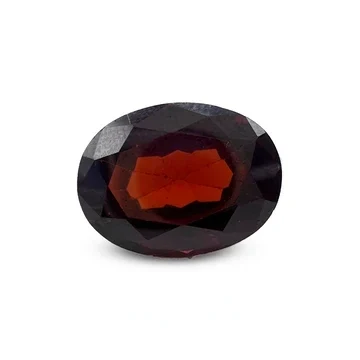
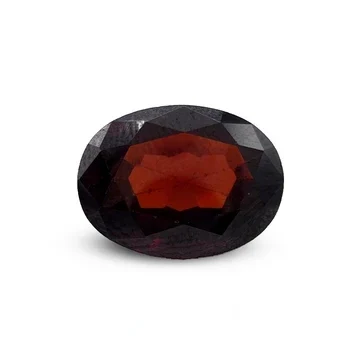
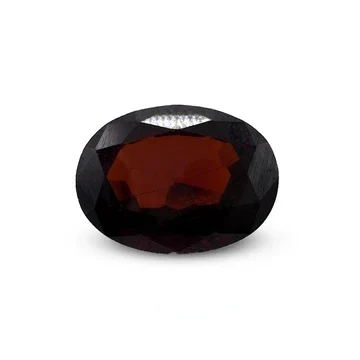
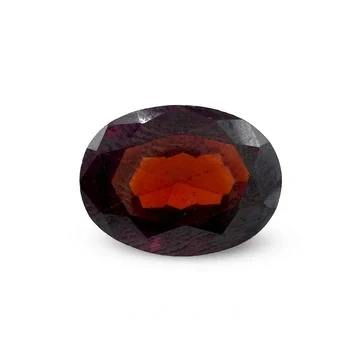
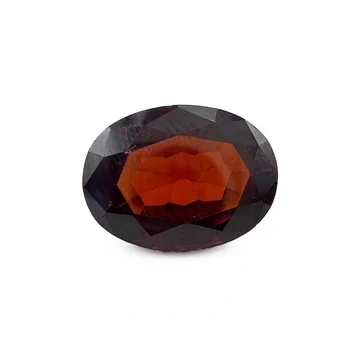
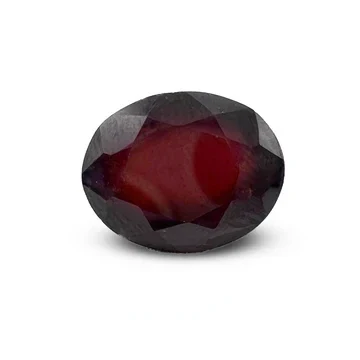
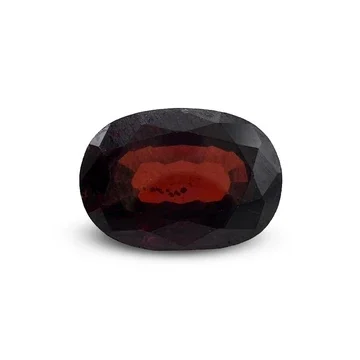
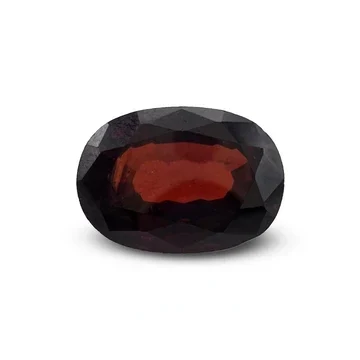
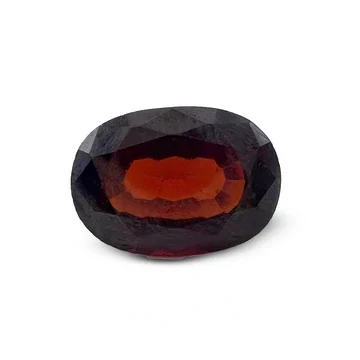
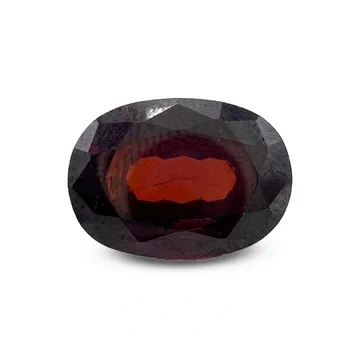
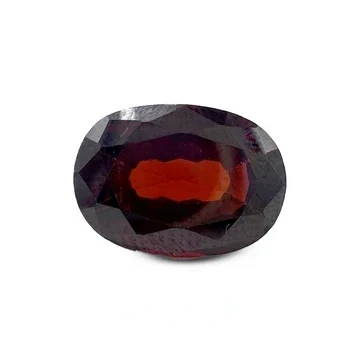
Garnet is the birthstone for January. Known in Pakistan as Yaqoot-e-Rumani, it is usually a deep red, though garnets also come in raspberry, orange and green. It is hard enough for daily wear, rarely treated and good value for its size, which makes it one of the simplest birthstones to buy and to give.
- Month
- January
- Birthstone
- Garnet
- Local name
- Yaqoot-e-Rumani
- Colours
- Deep red, raspberry, orange, green
- Mohs hardness
- 6.5–7.5
- Treatment
- Rarely treated
From the vault
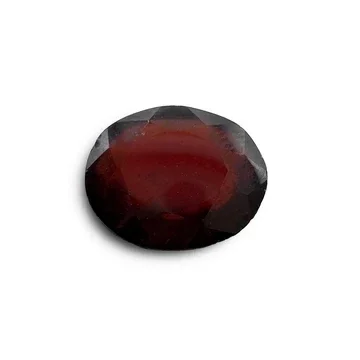
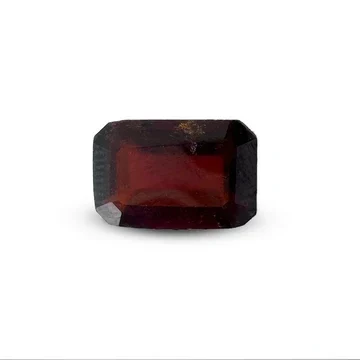
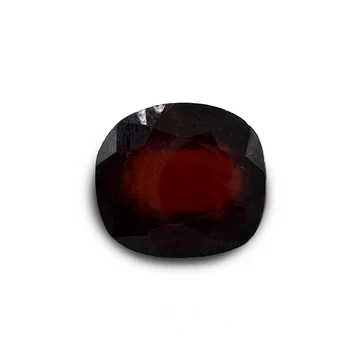
Shop garnet

GemStore team — written by the people who list and pack every stone.
Reviewed on
Traditional belief vs gemmology: anything on this page about luck, protection, planets, healing or religious tradition describes traditional and cultural beliefs — not proven effects, religious rulings or medical advice. A stone's identity, hardness, treatment and origin are gemmology, which a lab can test; the references at the end of the page cover that side.
Meaning and history
Garnet has been cut and worn for thousands of years, from ancient Egyptian beads to Mughal-era jewellery. The name is usually traced to the Latin word for pomegranate, because small red garnet crystals look like its seeds. By tradition garnet stands for loyalty and friendship, and travellers once carried it as a keepsake on long journeys. On the modern list it is simply the stone for anyone born in January.
Colours and how to choose
Garnet is a family of related minerals. Almandine and pyrope give the classic dark red, rhodolite a raspberry red, and hessonite (Gomed) a cinnamon orange. For a January stone most buyers pick red. Look for:
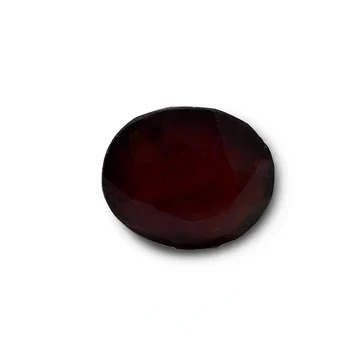
- Brightness. Very dark garnets can look almost black indoors. A red with some life in it shows better in a ring.
- Clarity. Red garnet is usually clean to the eye, so visible cracks are a reason to pass.
- Cut. A good cut returns light across the whole stone instead of leaving a dull patch in the centre.
For a brighter red, compare garnet with ruby, or with the opaque warmth of red coral. For the orange side of the family, see hessonite.
Real or fake: what to check
- Red glass is the usual imitation. Under a loupe it often shows round bubbles and swirl lines, and its facet edges wear soft and chipped.
- Garnet stays cool against the skin for longer than glass or plastic.
- A price far below other natural garnets of the same size and colour is a warning sign.
- For a larger purchase, ask for a certificate. We provide one on request and can arrange independent lab testing.
Read how to choose a good garnet, why garnets differ in price and our general real-or-fake checks.
Care
At 6.5–7.5 on the Mohs scale, garnet handles daily wear but can chip on a hard knock. Clean it in lukewarm soapy water with a soft brush, dry it with a cloth, and store it apart from harder stones such as sapphire. Our gemstone care guide covers the rest.
A January gift
January falls in the heart of Pakistan's winter wedding season, and a deep red garnet sits well beside a red bridal joda. It suits a ring for the bride, a mooh dikhai gift, or a pendant for a sister born in January. For Eid or a birthday, a loose garnet in a small box can be set later by the family jeweller in gold or silver.
References
Related