In this article

GemStore team — written by the people who list and pack every stone.
Reviewed on
Emerald is priced on colour first and almost everything else second. Two zamurd stones of the same weight can sit very far apart in price because one is a soft, grassy green and the other a deep, slightly bluish green that holds its colour under tube light and in the shade. Clarity, oiling, size and origin then move the figure up or down from there.
This guide explains what you are paying for when you buy an emerald in Pakistan, how per-carat and per-ratti quotes work in the bazaar, and how to set two offers side by side without being misled by weight tricks or vague treatment claims. Our own prices sit in the table below, drawn from GemStore's current listings and refreshed every month, so you have real numbers to compare against.
GemStore emerald prices
The table below is built from the emeralds we list, each one photographed and priced on its own. It shows the lowest, typical and highest price per stone, and the same spread per carat and per ratti, so you can judge a quote from any seller.
| Weight | Weights | Stones | Per carat | Per ratti |
|---|---|---|---|---|
| All Emerald in stock | 1.0 – 1.5 ct | 4 | Rs 14,500 – Rs 16,000 | Rs 13,000 – Rs 14,500 |
Read the table as a guide to where stones sit, not a promise that any one weight will cost a fixed amount. A small, well-coloured Swat stone can cost more per carat than a larger, paler one. For prices across every stone we sell, see the monthly gemstone price guide for Pakistan.
What sets the price of an emerald
Dealers in Peshawar, Lahore and Karachi weigh the same six things. Learn them in this order and most quotes start to make sense.
1. Colour
Colour carries most of the value. The trade wants a pure green to slightly bluish green, medium to medium-dark, with strong saturation. Stones that lean yellow, look grey, or are so dark they turn blackish in low light are worth less. Very pale green beryl may not be called emerald at all by some laboratories, and it should never carry an emerald price.
Look at the stone in more than one light. A good emerald stays green under a white LED, by a window and in the shade. One that only looks rich under a warm shop bulb is weaker than it seems.
2. Clarity and the jardin
Almost every natural emerald has inclusions. The trade calls them the jardin, the garden. Buyers do not expect emerald to be clean the way they expect a sapphire to be, so price depends on how much the inclusions affect the look. A stone with fine inclusions that do not break the green is valued well. One with large white feathers, cloudy patches or a crack running to the surface is worth much less, and is also more fragile. Our article on jardin, oiling and the fakes goes into the inclusions themselves.
3. Oiling and other treatment
Most emeralds are treated with colourless oil or resin to fill surface-reaching fissures. This is accepted practice, but the amount matters to price:
- None or minor: the most valuable category. Few fissures needed filling.
- Moderate: common in good commercial stones. Priced lower than minor.
- Significant: the filler is doing much of the work. Price falls sharply.
- Coloured oil or dye: a different product entirely. It should be declared and priced far below a stone with natural colour.
Ask every seller in writing what treatment a stone has. If the answer is "none" for a clean, bright stone at a modest price, ask for testing. GemStore discloses known treatments on each listing.
4. Size
Price per carat rises with weight because good emerald crystals are rarely large and clean at the same time. A two-carat stone of a given quality usually costs more per carat than a one-carat stone of the same quality, and the jump is steeper again above three or four carats. This is why a quote that looks cheap "per ratti" for a big stone deserves a second look.
5. Cut and shape
The classic emerald cut, a rectangle with stepped corners, exists because it protects a brittle stone and shows the colour well. Ovals, cushions and pears are common too. A well-cut stone shows even green across the face. A badly cut one has a pale window in the centre or a heavy, deep bottom that adds weight without adding beauty. You pay per carat for that hidden weight, so check the side view. Cabochon emerald is usually lower-grade material and is priced well below faceted stones.
6. Origin
Origin affects price because buyers attach a reputation to it. Colombian stones have long carried the highest premium. Zambian emerald is often a slightly bluer, cleaner green and is widely available. Swat emerald from Khyber Pakhtunkhwa is known for strong colour in small sizes and is close to home for Pakistani buyers. Origin is not a grade on its own: a fine Zambian stone beats a poor Colombian one. Our comparison of Swat, Zambian and Colombian emerald sets out the differences, and the planned page on Swat emerald covers the source itself.
Per carat and per ratti: how emerald is quoted
In Pakistan you will hear emerald priced three ways: per stone, per carat and per ratti. They are easy to mix up.
- Carat: 1 carat is 0.2 grams. Laboratories and most online listings weigh in carats.
- Ratti (gemstone standard): the ratti used for gemstones in Pakistan is 0.91 carat, about 0.182 grams.
- Sunari ratti: the jeweller's ratti used for gold is smaller, about 0.1215 grams, or roughly 0.61 carat.
The difference matters. A stone quoted "per ratti" on the sunari scale will show more rattis for the same weight than on the gemstone scale, so a lower per-ratti rate can still add up to a higher total. Always ask which ratti the seller means, and convert both quotes to carats before you compare. Our carat to ratti converter does the arithmetic.
Astrologers often name a weight in ratti, such as "at least three ratti". Turn that into carats first, then look at stones in that range. For emerald, a small rise in required weight can mean a large rise in price because of how price per carat climbs with size.
How to compare two emerald quotes
Put each offer through the same checklist before you look at the total.
- Is the weight the cut stone's weight? Some sellers quote the weight of a stone still in a ring, or round up. Ask for the exact loose weight in carats to two decimal places.
- Which ratti? Confirm the scale and convert to carats.
- What treatment? Minor oiling and significant resin filling are not the same product. Get the answer in writing.
- Same colour band? Compare photographs taken in daylight, not under warm display lighting. A stone that looks a shade lighter can be a full grade lower.
- Same cut quality? Ask for a side view. A deep, bulky pavilion means you are paying per carat for weight you cannot see.
- Is the price per stone or per carat? Some listings show per-carat figures that look small until multiplied out.
- What happens if it is not as described? A return window, a certificate on request and the right to open the parcel before paying are worth money in themselves.
A quote that fails two or more of these is not cheaper, only harder to compare.
Budget tiers by filter
Emerald does not split neatly by budget, because a small fine stone and a larger commercial one can cost the same. Use the shop filters as a starting point, then judge colour and clarity within each band.
- Under 5,000 rupees: genuine emerald at this level is rare. If you want green on a tight budget, look at peridot or green agate instead of a doubtful zamurd.
- 5,000 to 20,000 rupees: small commercial stones, usually with visible inclusions or moderate oiling. Check the colour in daylight carefully.
- 20,000 to 50,000 rupees: where better-coloured small Swat stones and cleaner commercial emeralds tend to appear.
- Over 50,000 rupees: larger sizes, stronger colour and lower treatment levels. A certificate becomes worth arranging at this level.
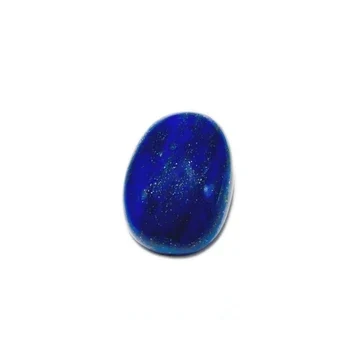
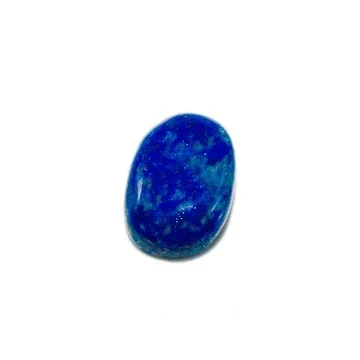
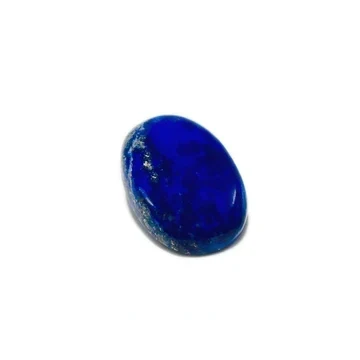
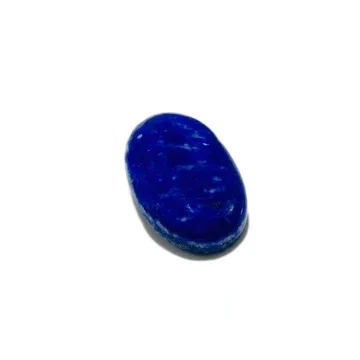
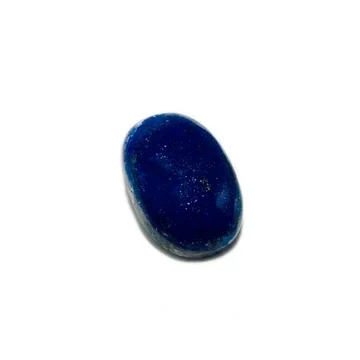
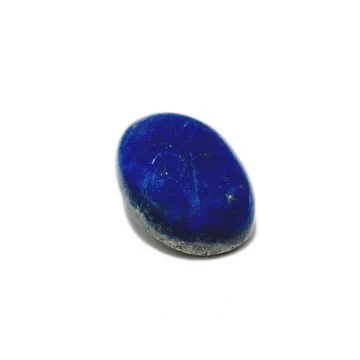
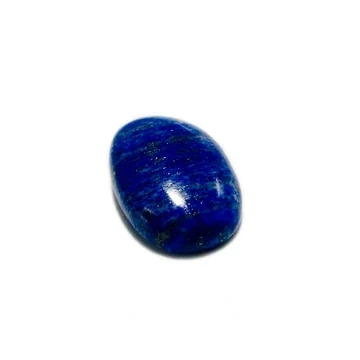
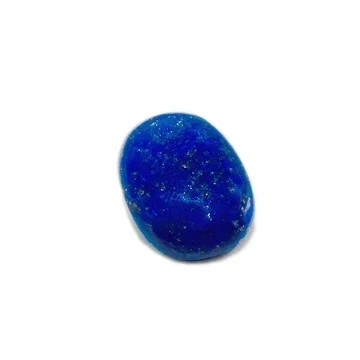
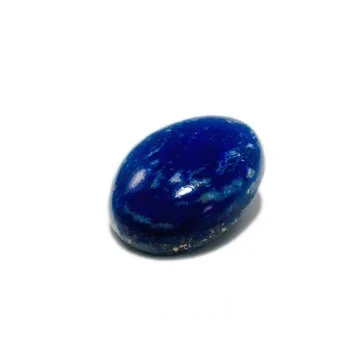
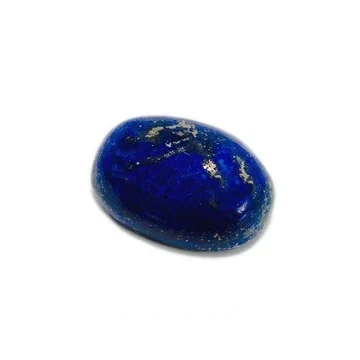
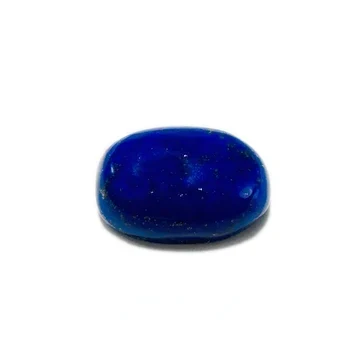
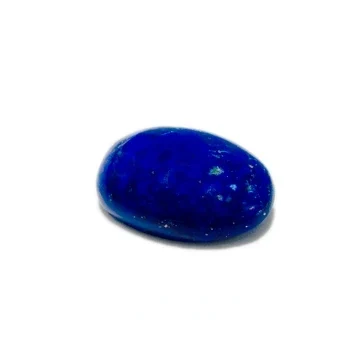
Our current emeralds are Swat stones, for example the 1.00 carat Swat zamurd and the 1.50 carat Swat zamurd. Compare their colour and weight with the table above to see how size changes the per-carat figure.
When a low price is a warning
Emerald attracts more imitations than most stones because its colour is easy to copy and its value is high. Be cautious if you see any of these:
- A large, very clean, intensely green stone at a small price. Natural emerald of that description is scarce and costly.
- "Untreated" claimed without any test report.
- A seller who will not state the exact weight or which ratti they use.
- Even, flat colour with round bubbles under a loupe, which points to glass.
- A stone sold already set, with no way to see the back or weigh it loose.
Lab-grown emerald is real beryl made in a factory. It is legitimate when sold as lab-grown, and it should be priced as such. Our guide to natural and synthetic gemstones explains the difference.
Is a certificate worth it for emerald?
For a stone at the upper end of your budget, yes. A good report states the species, whether it is natural, and the degree of clarity enhancement, which are the three facts that most affect emerald price. GemStore can provide a certificate on request and arrange independent lab testing. Our lab-certified emerald page and the guide to reading a lab certificate show what to look for.
Setting and wearing affect the real cost
At 7.5 to 8 on the Mohs scale emerald resists scratches, but its inclusions make it brittle. A bezel or protected claw setting costs a little more and saves a stone. Hot water, steam and ultrasonic cleaners can draw out oil and make fissures more visible, which lowers the stone's look and value over time. Wipe it with a soft, damp cloth instead. Factor the setting into your budget before you choose the stone, and see our silver vs gold settings guide.
Buying emerald from GemStore
Every emerald in our emerald collection is photographed on its own and priced on its own. You can pay Cash on Delivery anywhere in Pakistan, open the parcel and inspect the stone before paying the rider, and return it within 7 days. We dispatch in 1 to 2 working days, and delivery by insured tracked courier takes about 7 working days. If you want help matching a stone to a budget or an astrologer's weight, send the details on WhatsApp at +92 308 887 3888.
Shop the stones: emerald.
References