In this article
- What real moonstone is
- The common imitations
- Checks you can do at home
- What needs a lab
- Treatments and enhancements
- Coloured moonstone: real colours and doubtful ones
- Moonstone, opal and the other milky stones
- Buying moonstone safely in Pakistan
- Looking after it once you know it is real
- Chandrakant in tradition
- Buy with a safety net
- خلاصہ

GemStore team — written by the people who list and pack every stone.
Reviewed on
Moonstone is sold in every gem bazaar in Pakistan, often as chandrakant, and a fair share of what is offered is not moonstone at all. The most common stand-in is a man-made glass called opalite, which glows in a way that looks convincing in a shop window. Others are milky quartz, chalcedony, plastic, or a different feldspar sold under the moonstone name.
The good news is that moonstone's glow behaves in a particular way, and a few careful checks at home will catch most imitations. This guide explains those checks, what they cannot prove, where a lab comes in, and how to buy without guessing.
What real moonstone is
Moonstone is a feldspar, a mineral made of very thin alternating layers of two slightly different feldspars. When light enters, those layers scatter it and produce a soft, floating sheen called adularescence. It is a bluish or white glow that seems to sit just under the surface and glides across the stone as you tilt it.
Real moonstone is usually colourless to milky white, sometimes grey, peach, brownish or greenish. Its hardness is about 6 to 6.5 on the Mohs scale, and it has two directions of cleavage, which means it can split along flat planes if struck. Inside, you often see small inclusions that look like tiny insects or stress cracks, sometimes called "centipedes" in the trade. These natural marks are reassuring rather than a fault.
The common imitations
Opalite glass
Opalite is a man-made glass, sometimes sold as "sea opal", "tiffany stone" or simply moonstone. It is very even and very clean, and it shows a milky blue glow against a dark background and a warm orange or yellow glow when light passes through it from behind. That orange back-glow is the giveaway: real moonstone does not change to orange when backlit in that way.
Milky quartz and chalcedony
Cloudy quartz and blue-white chalcedony can look like moonstone in photographs. Their glow, if any, is even and static. Tilt them and nothing moves. Chalcedony often has a waxy look rather than the glassy, slightly silky shine of moonstone.
Plastic and resin
Cheap cabochons in costume pieces are often resin. They feel warm and light, and they can show mould lines or tiny bubbles. A plastic stone also scratches easily with a pin, which is one test you can do on an unwanted piece but should never try on a stone you intend to keep.
Rainbow moonstone
"Rainbow moonstone" is a trade name for a white variety of labradorite, a closely related feldspar, which shows blue and multicoloured flashes. It is natural and attractive, and it is not a fake. Strictly speaking, it is not classic moonstone either, and it should be priced and described as what it is. If you like the flash, see our guide on reading labradorite's flash and the labradorite category.
Checks you can do at home
None of these is proof on its own. Used together, they catch most imitations.
- The tilt test. Hold the stone under one light source, such as a phone torch or a window, and tilt it slowly. In real moonstone the glow moves across the dome like a soft cloud and is strongest from one direction. In glass and quartz the glow tends to stay put or look the same from every angle.
- The backlight test. Shine a torch through the stone from behind in a dark room. Opalite turns a clear orange or golden colour. Moonstone looks grey, colourless or faintly bluish, with its natural inclusions showing.
- The loupe test. Under a 10x loupe, look for round gas bubbles or swirl marks, which point to glass or resin. Real moonstone shows small natural inclusions and sometimes straight, flat cleavage cracks.
- Too perfect. A large, flawless, evenly glowing stone at a low price is the pattern of opalite. Natural moonstone of fine clarity with a strong blue sheen is uncommon and is never cheap.
- The temperature check. Stones feel cooler than plastic and warm more slowly in your hand. This separates plastic from stone, but glass also feels cool, so it will not catch opalite.
Our general guide to checking any gemstone before you buy explains how to use a loupe and torch if you have not done so before.
What needs a lab
Some questions cannot be settled at home. A gem lab measures refractive index and specific gravity, which place moonstone in a narrow range that most glass and quartz do not share. A lab can also confirm whether a stone is moonstone or a related feldspar such as labradorite, detect coatings, and identify glass that has been made to look like a natural stone. If you are buying a larger or finer moonstone, or one where the price depends on a strong blue sheen, testing is worth it.
A certificate is available on request for stones bought from GemStore, and independent lab testing can be arranged. Our guide to reading a lab certificate explains what the lines on the report mean.
Treatments and enhancements
Most moonstone is not treated. That makes the treatments that do appear worth knowing about:
- Coatings. A thin surface film can strengthen the apparent sheen or add colour. It may wear at the edges over time.
- Dark backing. In closed-back jewellery, a dark foil or paint behind the stone can make a weak sheen look stronger. Ask whether a set stone has a closed back and why.
- Dyeing. Some coloured moonstones and many "moonstone" beads have been dyed. Colour concentrated in cracks is a sign.
- Fracture filling. Occasionally used on lower-grade stones to hide surface-reaching cracks.
None of these is fraud if it is disclosed. It becomes a problem when the stone is sold as untreated.
Coloured moonstone: real colours and doubtful ones
Natural moonstone comes in more than white. Peach, grey, champagne and light brown moonstones are genuine and often show a silvery sheen rather than blue. Black or very dark grey moonstone also exists. What should make you cautious is a strong, saturated colour such as bright pink, deep blue or green in a stone that otherwise looks like moonstone. Those colours are more likely to come from dye, a coating or glass. Ask whether the colour is natural, look under a loupe for colour gathered in cracks, and judge the sheen with the tilt test as you would for a white stone.
Moonstone, opal and the other milky stones
Some buyers confuse moonstone with opal or pearl because all three have a soft, inner light. Opal shows patches of spectral colour that change sharply with angle, called play-of-colour, while moonstone's glow is a single soft sheen. Pearl has no inner sheen at all, only surface lustre. If a stone shows flashes of red, green and orange in small patches, it is more likely opal; see our opal real or fake guide. Moonstone and pearl share the June birthstone slot, and our post on choosing between them compares the two.
Buying moonstone safely in Pakistan
A sensible approach looks like this:
- Ask the seller directly: "Is this natural moonstone, and has it been coated, dyed or backed?" Get the answer in writing.
- Ask for a video of the exact stone being tilted under a single light, and a second clip with a torch behind it. Real moonstone passes both on camera.
- Check the weight is given for the loose stone in carats, or in ratti with the ratti stated. The standard gemstone ratti is 0.91 carat; the sunari ratti used by some jewellers is about 0.61 carat. The carat to ratti converter helps.
- Prefer a seller who lets you inspect before paying and offers a return period.
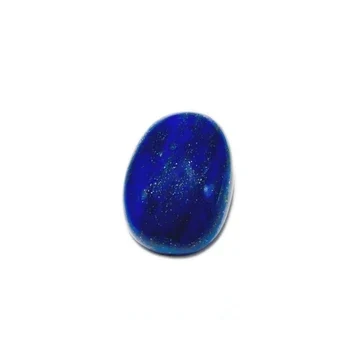
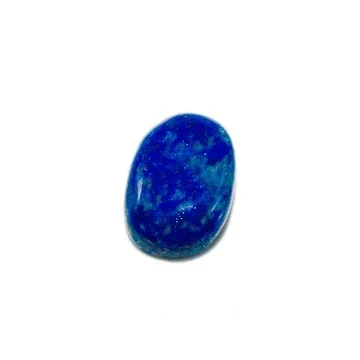
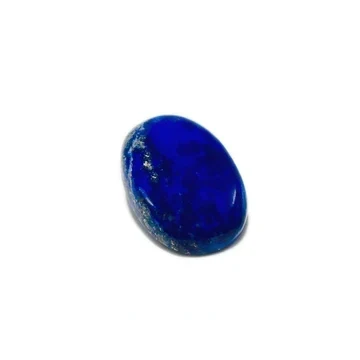
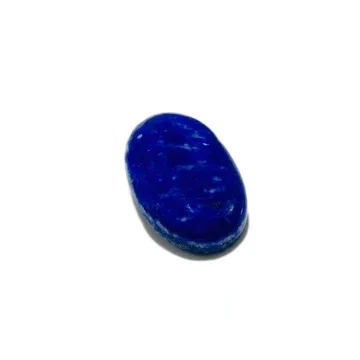
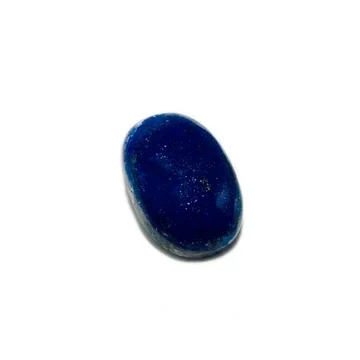
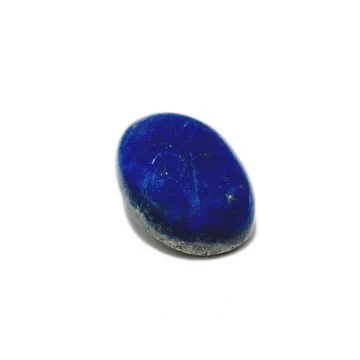
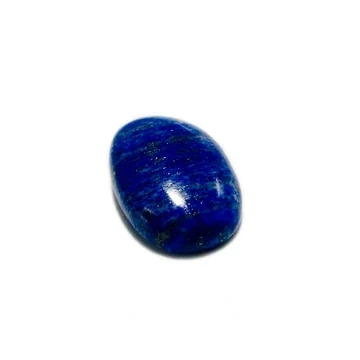
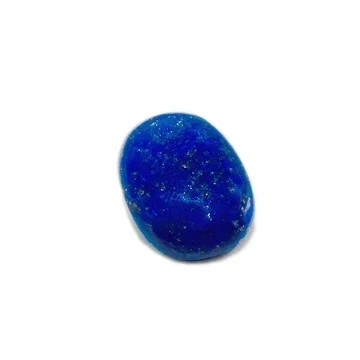
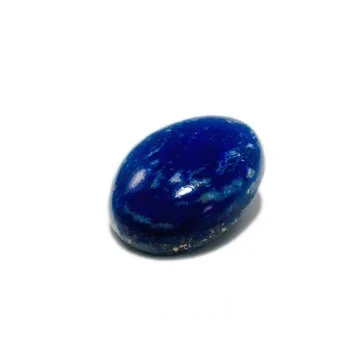
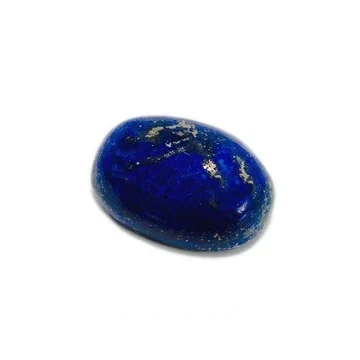
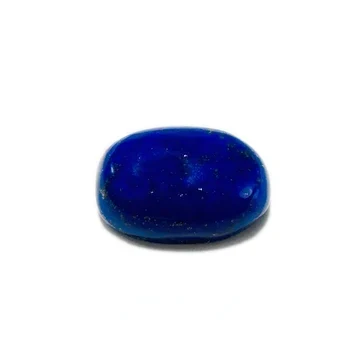
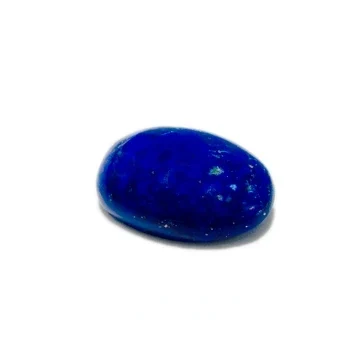
Our listings show each stone photographed on its own. A 10.65 carat chandrakant and a 14.75 carat chandrakant are good examples of what natural sheen looks like in a photo; the full range is in the moonstone category. If you want to understand prices before buying, our planned moonstone price guide covers what drives cost.
Looking after it once you know it is real
Because of its cleavage, moonstone can crack from a sharp knock, and its polish can dull with grit. Clean it with lukewarm water, mild soap and a soft brush, and avoid ultrasonic cleaners and steam. Store it away from harder stones. Our moonstone care guide goes into detail. If you plan to wear it in a ring every day, a bezel setting protects the edges better than claws.
Chandrakant in tradition
In Vedic tradition moonstone is linked with the Moon, and many families in Pakistan choose it for calm and for those born under Cancer. These are customs and beliefs rather than promises, and they apply only to a real stone, which is one more reason to check before buying.
Buy with a safety net
At GemStore every moonstone is natural, any known treatment is disclosed, and each stone is priced on its own. Orders are dispatched in one to two working days and reach any city in Pakistan by insured, tracked courier in about seven working days. Pay by Cash on Delivery after opening the parcel and checking the stone, and return it within 7 days if it does not match the listing. Questions about a particular stone can go to WhatsApp on +92 308 887 3888 or to cod@gemstore.pk.
Shop the stones: moonstone.
The beliefs described here are traditions, shared for interest. They are not guaranteed outcomes, religious rulings or medical advice.
References