In this article
- The traditional finger
- Right hand or left hand?
- Silver: the traditional metal
- The day and time custom
- Moonstone as an alternative to pearl
- Choosing a moonstone you will enjoy wearing
- Ring settings that protect moonstone
- Pendants and wearing it with other stones
- Care while you wear it
- Check it is real before you set it
- Buying moonstone from GemStore
- خلاصہ

GemStore team — written by the people who list and pack every stone.
Reviewed on
Traditional belief vs gemmology: anything on this page about luck, protection, planets, healing or religious tradition describes traditional and cultural beliefs — not proven effects, religious rulings or medical advice. A stone's identity, hardness, treatment and origin are gemmology, which a lab can test; the references at the end of the page cover that side.
Moonstone is traditionally worn in a silver ring on the little finger or the ring finger, and put on for the first time on a Monday, the Moon's day. In South Asian astrology it is linked with the Moon (Chandra), and many astrologers suggest it as an alternative to pearl (moti). That is the custom in brief.
The practical side matters just as much. Moonstone is a feldspar, softer and easier to split than most ring stones, and its glow depends on how it is cut and set. A well-made ring keeps the stone safe and shows off the moving light; a poor one hides the sheen and leaves the stone exposed. This guide covers the tradition first, then the setting, then how to wear it day to day. To see stones of different sizes, browse our moonstone collection.
The traditional finger
The little finger (kanishtha) is the finger most often named for moonstone. In Vedic palmistry the little finger is associated with Mercury, but many astrologers in Pakistan and India still recommend it for Moon stones, because pearl and moonstone are traditionally worn there. The ring finger is the second common choice, and some practitioners prefer it.
- Little finger: the most common advice for moonstone and pearl. A small to medium stone suits this finger best.
- Ring finger: chosen by some astrologers and by many people who wear moonstone for its look. It takes a larger stone comfortably.
- Index finger: rarely suggested for moonstone, since it is linked with Jupiter in tradition.
If an astrologer has recommended the stone for you, follow the finger they name. If you simply like moonstone, wear it where it is comfortable and where it is least likely to be knocked.
Right hand or left hand?
Most advice in Pakistan is to wear Moon stones on the right hand, the working hand. Some astrologers suggest the left hand for women, and some suggest the non-working hand for anyone, on the reasoning that it is calmer and suits a calm planet. These views differ, so ask your adviser if the choice matters to you.
There is a practical case for the non-working hand. Moonstone has cleavage, which means a sharp knock in the wrong direction can split it. A ring on the hand that holds tools, door handles and car keys takes more knocks. If you work with your hands, the left hand (for a right-handed person) is the safer choice for the stone itself.
Silver: the traditional metal
Silver is the classic metal for moonstone. The Moon and silver are paired in astrology, and the cool white of silver suits the stone's blue-white sheen better than yellow gold. Many men in Pakistan prefer silver for religious reasons in any case. Our page on chandi rings with stones explains how a silver ring is made around a loose stone.
White gold and platinum suit moonstone visually and are stronger than silver, if your budget allows. Yellow gold can look warm against a peach or grey moonstone, so it works better with those colours than with the classic colourless type. For a side-by-side comparison of metals, see silver versus gold ring settings.
A note on silver: sterling silver tarnishes and is softer than gold. Ask for a slightly thicker bezel or claws, and polish the metal, not the stone, when it darkens.
The day and time custom
Monday is the Moon's day in tradition, so many families have the ring first put on on a Monday evening, after moonrise, or on a Monday in the waxing half of the lunar month. Full-moon nights are a favourite for some. Others prefer a Monday morning. Some keep the ring in clean water or milk overnight before wearing it, then rinse it.
These are customs and they vary from home to home. If you follow the milk or water soak, rinse the ring well and dry it, and never leave moonstone soaking for days. Feldspar does not absorb milk, but residue under the setting dulls the stone and stains silver.
Moonstone as an alternative to pearl
In Vedic astrology the main stone for the Moon is pearl. Moonstone is often given as an uparatna, a secondary or substitute stone, when a natural pearl of the right weight is too costly or too delicate for daily wear. Some astrologers accept the substitution, others do not. If you are choosing between the two, our guides on how to wear pearl and pearl versus moonstone for June set out the differences. Moonstone is also a common choice for Cancer gemstones, the sign ruled by the Moon.
Astrologers sometimes give a minimum weight in ratti. The standard gemstone ratti is 0.91 carat; the sunari ratti used by jewellers is about 0.61 carat. Ask which one is meant and check with our carat to ratti converter.
Choosing a moonstone you will enjoy wearing
The glow in moonstone is called adularescence. It is a soft light that seems to float under the surface and moves as you turn your hand. How a stone is cut decides where that light appears.
- A centred sheen: the best cabochons show the glow in the middle of the dome when the stone faces up. If the glow only shows at an angle, the stone will look plain on the finger most of the time.
- A good dome: a higher, rounded cabochon shows the sheen better than a flat one, but sits higher on the finger. For a little-finger ring, a medium dome is a fair compromise.
- Body colour: colourless to milky moonstone with a blue or white sheen is the classic look. Peach, grey and rainbow types are also sold; rainbow moonstone is a related feldspar and is widely accepted in the trade under that name.
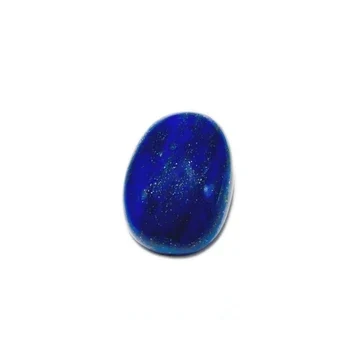
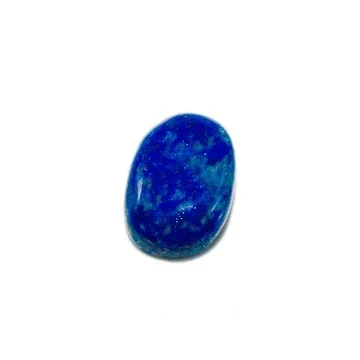
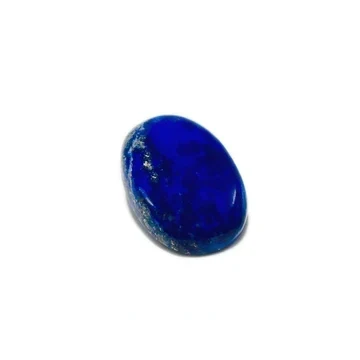
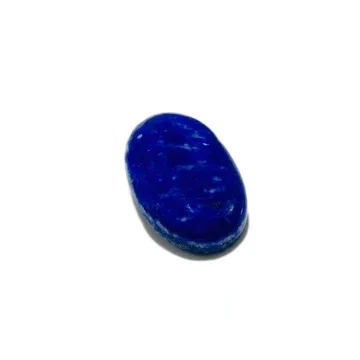
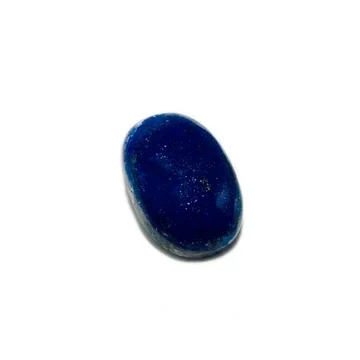
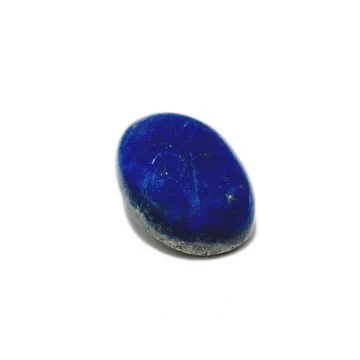
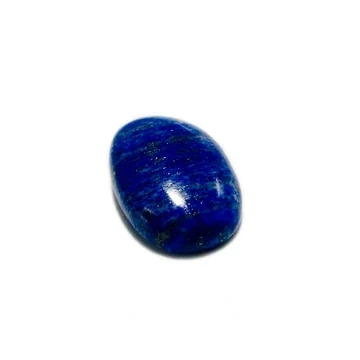
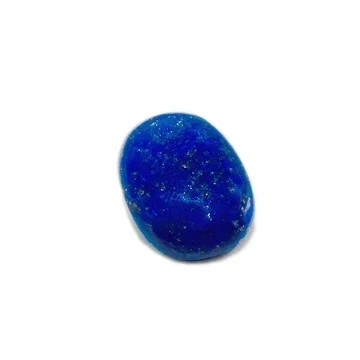
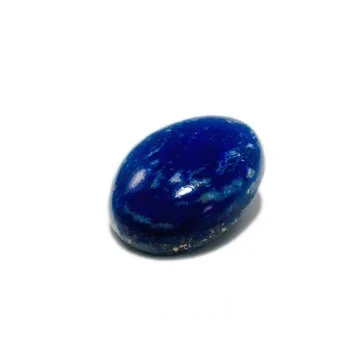
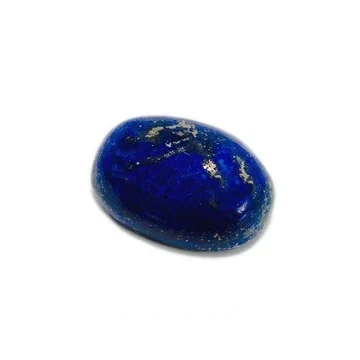
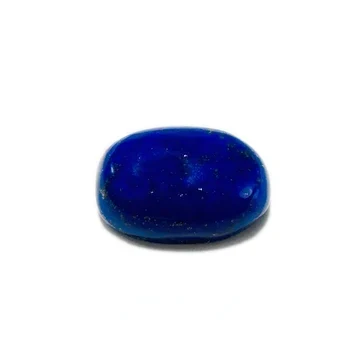
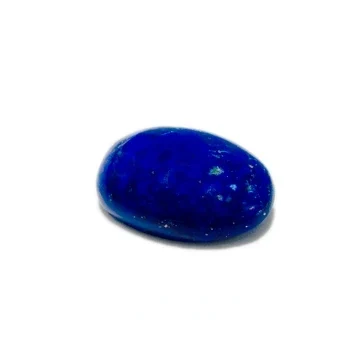
Two examples from our stock show how size affects the look on a hand: a 10.65 carat moonstone suits a ring finger, while a 14.75 carat moonstone is a bolder stone that also works well as a pendant.
Ring settings that protect moonstone
Moonstone is about 6 to 6.5 on the Mohs scale and has two directions of cleavage. The setting is the stone's main protection.
Full bezel
A continuous rim of metal around the stone is the safest setting. It guards the edge, which is where most chips start, and suits a ring worn daily. It also suits silver, since the metal mass makes up for silver's softness.
Claw setting
Four or six claws let more light reach the stone and show more of it. The edge is exposed between the claws, so this is better for an occasional ring or a pendant. If you choose claws, ask for them to be slightly rounded at the tip so they do not catch.
Open back
Many astrologers ask for the stone to touch the skin. An open back also lets light in from behind, which brightens a translucent moonstone, and makes it easy to rinse out soap. With a milky stone the difference is smaller.
A low profile helps whichever style you choose. The higher a stone sits, the more it is knocked. If you buy a loose stone, our stone setting service page explains how setting is arranged, and our ring size guide helps you measure the little finger, which is easy to get wrong.
Pendants and wearing it with other stones
A pendant is the easiest way to wear moonstone safely. It is rarely knocked, it rests against the skin on a short chain, and a larger cabochon looks its best there. Some astrologers accept a pendant in place of a ring; ask yours if the stone was recommended for a reason.
In tradition, Moon stones are usually considered compatible with pearl, red coral, ruby and yellow sapphire. Many astrologers advise against pairing them with hessonite (gomed) or cat's eye (lehsunia), and some are cautious about blue sapphire. Our nine planetary stones page sets out the classical pairings. Practically, keep moonstone away from harder stones on the same hand, since a sapphire or diamond ring rubbing against it will scratch it.
Care while you wear it
Most moonstone damage happens during ordinary daily life rather than accidents. A few habits prevent nearly all of it.
- Take it off for hard work: gym, cricket, gardening, carrying heavy bags and car repairs all risk a sharp knock.
- Put it on last: perfume, attar, hair oil, hand cream and sanitiser leave a film that dulls the sheen. Apply them first, then put on the ring.
- Remove it for wudu if you prefer: water does not harm moonstone, but repeated soap and water with a closed back traps residue. An open back avoids the problem.
- Keep it away from heat: do not leave it on a hot dashboard or next to the stove. Sudden temperature changes can open cleavage cracks.
- Clean it gently: lukewarm water, a drop of mild soap and a soft brush, then dry with a soft cloth. No ultrasonic or steam cleaners.
- Store it alone: quartz and harder gems scratch it. Use a soft pouch.
We cover cleaning and storage in more depth in our moonstone care guide.
Check it is real before you set it
Setting a glass or opalite stone in silver wastes the cost of the ring. Opalite glows evenly from every angle, while real moonstone's sheen moves across the dome as you tilt it under a single light. Natural moonstone often shows small inclusions; a perfectly clean, evenly glowing and very cheap stone deserves questions. Our article on real versus fake moonstone covers the checks.
Buying moonstone from GemStore
Every moonstone we list is photographed on its own and described with any known treatment. You can pay by Cash on Delivery anywhere in Pakistan and inspect the stone before paying the rider, with 7 days to return it. A certificate is available on request. If you want help choosing a size for your little finger or ring finger, send us your ring size on WhatsApp.
Shop the stones: moonstone.
The beliefs described here are traditions, shared for interest. They are not guaranteed outcomes, religious rulings or medical advice.
References