
In this article

GemStore team — written by the people who list and pack every stone.
Reviewed on
Red agate, sold in Pakistani bazaars as surkh aqeeq, is one of the most affordable ways to own a real stone from the earth, and one of the easiest to get wrong. The main question with red agate is not whether it is expensive enough but whether the colour is the stone's own. This guide walks a first-time buyer through what to look at.
What red agate actually is
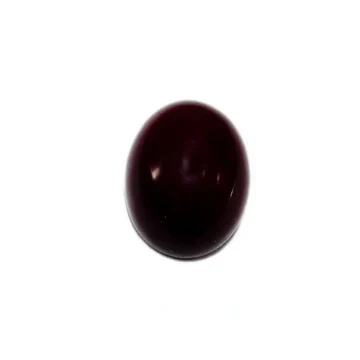
Agate is a form of chalcedony, a fine-grained quartz. Its red to orange-red colour comes from iron, and it often shows soft curved bands. Held up to a light, good red agate glows from within rather than looking flat and opaque.
Natural colour or dyed?
A lot of red agate on the market has been dyed or heated to deepen the colour. That is not always a problem, but you should know which you are paying for. Signs of dye:
- Colour that is unnaturally even and intense, like paint, with no variation at all.
- Colour concentrated along cracks or band edges when you look with a loupe.
- Dye showing on a damp white cloth rubbed firmly on an unpolished area (only try this with the seller's permission).
Natural red agate usually shows some variation in shade and a gentle banded structure.
Spotting glass
Glass imitations show round bubbles under magnification and warm quickly in your palm. Agate stays cool for longer and its inner structure looks fibrous or banded rather than empty. A flawless, perfectly uniform and cheap stone is the classic warning sign.
Judging a good stone
- Colour: a warm, rich red with life in it.
- Translucency: light should pass through and make the stone glow.
- Finish: smooth, glassy polish with no chips or cracks around the edge.
Wear and care
At 6.5 to 7 on the Mohs scale red agate handles daily ring wear well. Clean it with mild soap and water; avoid harsh chemicals, which can affect dyed stones.
Price
Red agate is priced mainly on colour, translucency and finish, and each of our stones is priced on its own.
The three checks before paying
Confirm the stone is natural agate rather than glass, that any dyeing or heating is written down, and that the weight given is the cut stone's. We inspect every stone and photograph each one alone. Browse red agate, or look at tiger eye and bloodstone. Our gem names page lists Urdu and English names, and Cash on Delivery covers Lahore, Karachi and every other city in Pakistan.
References











