In this article
- Topaz prices from our listings
- The colours of topaz and how they are priced
- Where topaz comes from
- Treatment and its effect on price
- Clarity, cut and size
- Topaz is not pukhraj
- Per carat and per ratti
- Per-ratti quotes in the bazaar
- How to compare two topaz offers
- Questions to ask before you pay
- Setting costs are separate
- Budget tiers by filter
- Looking after topaz
- Buying topaz from GemStore
- خلاصہ

GemStore team — written by the people who list and pack every stone.
Reviewed on
Topaz covers an unusually wide range of stones and prices. A large, clean blue topaz can cost less than a small natural pink one from Katlang, and a "golden topaz" in one shop may be citrine or glass in another. Some topaz is even sold as pukhraj, which in Pakistan should mean yellow sapphire. Understanding which topaz you are looking at is the key to understanding its price.
This guide explains how topaz is priced, why colour and treatment matter more than size, how per-ratti quotes apply, and how to compare offers. The figures come from the table below, built from GemStore's own topaz listings and refreshed monthly.
Topaz prices from our listings
The table shows the lowest, typical and highest price per stone in our topaz category, with the matching figures per carat and per ratti.
| Weight | Weights | Stones | Per carat | Per ratti |
|---|---|---|---|---|
| 3 – 6 carat | 3.4 – 5.9 ct | 9 | Rs 2,200 – Rs 4,200 | Rs 2,000 – Rs 3,800 |
| 6 – 10 carat | 7.1 – 9.9 ct | 4 | Rs 1,100 – Rs 2,100 | Rs 1,000 – Rs 1,900 |
| Over 10 carat | 12.6 – 19.0 ct | 3 | Rs 1,300 – Rs 4,200 | Rs 1,200 – Rs 3,800 |
Our topaz category includes several colours, so the range is wide. We also keep separate blue topaz and white topaz categories. For other stones, see the monthly gemstone price guide.
The colours of topaz and how they are priced
Colour is the main price driver for topaz, and the colours fall into clear groups.
Imperial and pink topaz
Natural golden-orange to pinkish-orange topaz, often called imperial, and natural pink topaz are the most valued. Pakistan has a famous source of natural pink to violet topaz at Katlang in Mardan district, Khyber Pakhtunkhwa, where the stones form in a distinctive host rock. Good Katlang pink is rare and sought after. Read more on our planned Katlang pink topaz page and in the planned pink topaz category.
Golden, sherry and brown topaz
Natural yellow, golden and sherry-brown topaz is more common than imperial and priced well below it, though a clean, bright golden stone is still attractive. Some brown topaz can fade in long, strong sunlight, which affects value.
Blue topaz
Almost all blue topaz on the market starts as colourless topaz and is irradiated and heated to produce a permanent blue. The common trade names describe the shade: Sky blue is light, Swiss blue is bright and medium, and London blue is deep and slightly grey-blue. Because the material is plentiful and the treatment is standard, blue topaz is affordable even in large sizes. Our blue topaz post explains why it is treated.
White (colourless) topaz
Colourless topaz is the least expensive variety per carat. It is popular as a natural, affordable bright stone, but it shows dirt and grease easily. See our white topaz care guide.
Coated topaz
"Mystic" and other rainbow-coloured topaz have a thin surface coating. The coating can wear off with time and cleaning. These stones should be clearly described as coated and priced as such.
Where topaz comes from
Origin matters less for topaz than colour and treatment, with one exception: natural pink from Katlang carries its own name and reputation in Pakistan. Brazil is the classic source of imperial topaz, especially the area around Ouro Preto, and also supplies much of the colourless rough that becomes blue topaz. Sri Lanka, Nigeria, Madagascar and other countries produce colourless, golden and blue-tinted stones. Peshawar has long been a trading centre for stones from Khyber Pakhtunkhwa and the wider region, and Katlang topaz often passes through its markets before reaching other cities.
As with any stone, an origin claim should only add to the price when it is supported by a lab report or clear documentation. A verbal "Katlang" or "Brazilian imperial" on its own should not move the figure.
Treatment and its effect on price
- Untreated natural colour: carries the highest price for pink, imperial and fine golden stones.
- Heated: some pink topaz is produced by heating certain golden stones. A lab can sometimes tell; ask the seller to state it.
- Irradiated and heated: standard for blue topaz. It is stable and permanent, and it is why blue topaz is affordable.
- Coated: surface colour only, the lowest value, and must be disclosed.
Clarity, cut and size
Topaz is often found in large, clean crystals, so buyers can expect faceted stones to be eye-clean, especially blue and white topaz. Visible inclusions lower the price noticeably. Natural pink and imperial stones are judged a little more gently, because clean material is rarer.
Topaz has bright lustre, and a good cut shows it off with lively sparkle and no dark or glassy window. Because topaz has perfect cleavage, a skilled cutter also orients the stone to reduce the risk of splitting, a detail you cannot see but which shows in the care taken over the finish.
For blue and white topaz, size raises the total price but only gently raises the per-carat rate, since large crystals are common. For natural pink and imperial topaz, the per-carat rate climbs more steeply with size, because large, well-coloured crystals are scarce.
Topaz is not pukhraj
In Pakistani trade, "pukhraj" means yellow sapphire, a corundum at 9 on the Mohs scale. Yellow topaz is sometimes sold under the same name, either through confusion or deliberately, and at a pukhraj price. Topaz is a different mineral, softer at 8, and priced far below fine yellow sapphire. If you are buying pukhraj for astrological reasons, make sure the stone is described as yellow sapphire on the invoice. Our guides to identifying original pukhraj and the planned yellow topaz buying guide explain the difference. Citrine is another common look-alike for golden topaz; see yellow sapphire vs citrine.
Per carat and per ratti
Labs record topaz in carats, with one carat equal to 0.2 grams. Many Pakistani buyers ask for ratti. The standard gemstone ratti is 0.91 carat, so a 13.82 carat topaz is about 15.2 ratti. The jeweller's sunari ratti is smaller, at about 0.61 carat, so always ask which is meant. Our carat to ratti converter handles both.
To change a per-carat rate into a per-ratti rate (standard ratti), multiply by 0.91. Topaz is dense, so a topaz looks a little smaller than a quartz stone of the same carat weight. Compare face-up sizes in millimetres as well as weights.
Per-ratti quotes in the bazaar
When topaz is quoted per ratti in a shop, check the same three things you would for any stone: which ratti is used, whether the weight is for the loose stone, and whether the rate applies to the stone you are buying. With topaz there is a fourth: confirm the variety and treatment in writing, since natural pink, heated pink, blue and coated stones look different on paper but can be confused across a counter.
How to compare two topaz offers
- Same variety: compare blue with blue, natural pink with natural pink.
- Same treatment: untreated, heated, irradiated and coated stones are different products.
- Same unit: convert both to price per carat.
- Clarity: confirm both are eye-clean, or note the difference.
- Colour in indoor light: ask for a video. London blue in particular looks much darker indoors.
- Returns: make sure you can return the stone if a lab disagrees with the description.
Questions to ask before you pay
A seller who knows topaz will answer these clearly. Ask for the answers on WhatsApp so you have them in writing.
- Which variety is this: natural pink, imperial, golden, blue, white or coated?
- Has the colour been heated, irradiated or coated?
- Is it topaz, or is it citrine, quartz or glass sold under the topaz name?
- What is the loose weight in carats, and the size in millimetres?
- Can I see a video under ordinary indoor light?
- Is a certificate available, and what happens if a lab disagrees?
Setting costs are separate
The price of a loose topaz does not include the ring. A large blue topaz often looks best in a silver setting, which keeps the total modest, while a natural pink or imperial stone is usually set in gold, which adds a good deal to the cost. When comparing a ready ring with a loose stone, ask the seller to price the stone and the setting separately. Because topaz can split along its cleavage, ask the jeweller to set it with care, avoiding heavy hammering or heat close to the stone. Our planned stone setting service page explains how we can help.
Budget tiers by filter
Use the shop filters to see what each band offers across all categories, then compare topaz stones of similar size:
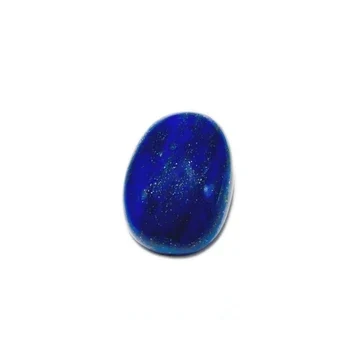
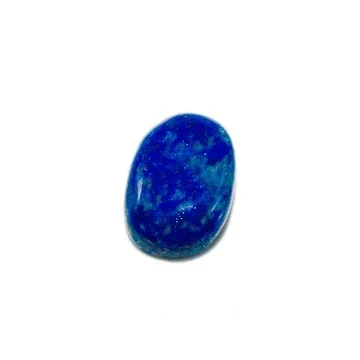
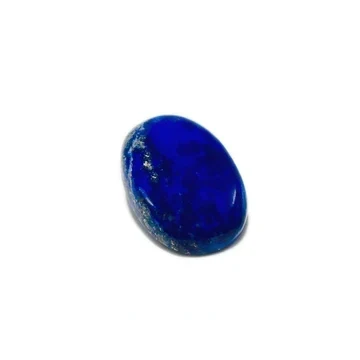
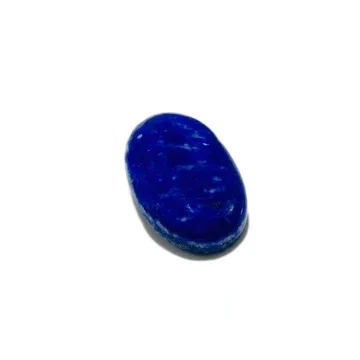
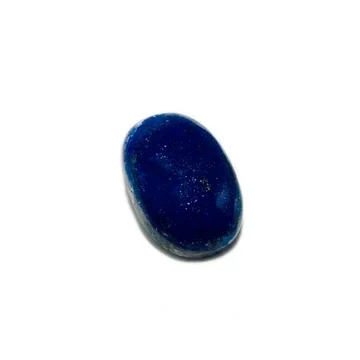
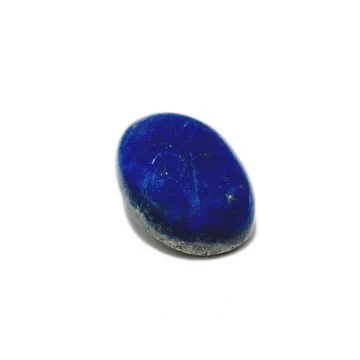
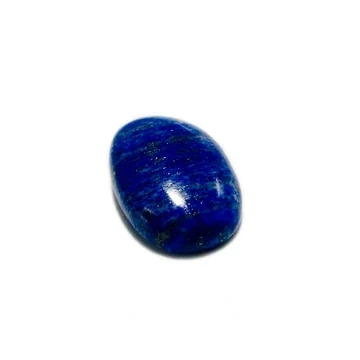
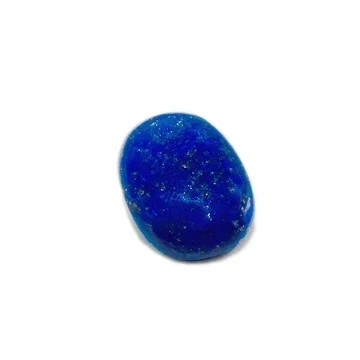
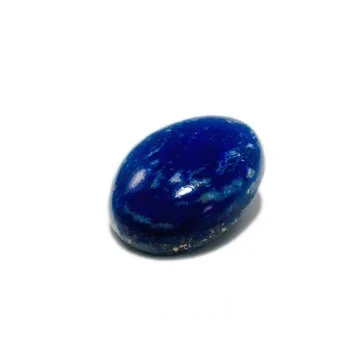
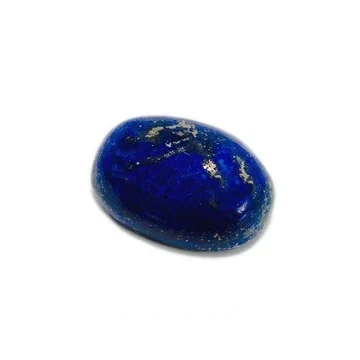
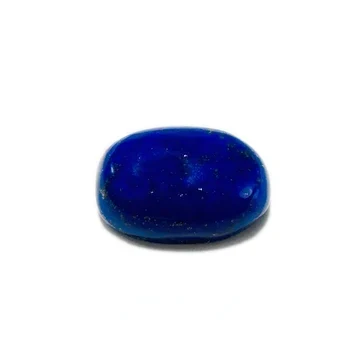
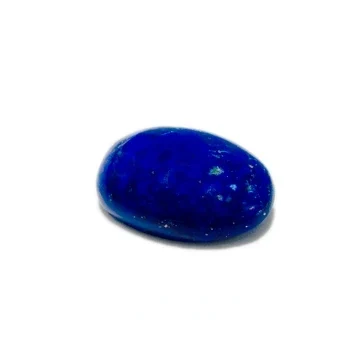
In the topaz category, look at stones such as this 13.82 carat blue topaz and this natural topaz, and compare their colour, clarity and price against weight.
Looking after topaz
Topaz is hard but has perfect cleavage, so a sharp knock can split it. Choose a protective setting for a daily ring, avoid ultrasonic and steam cleaners, and store it away from harder stones. Our topaz care guide explains why. Topaz is also the November birthstone; see the November birthstone page.
Buying topaz from GemStore
Every topaz we sell is natural topaz, photographed alone and priced on its own, with treatment stated, including irradiation for blue topaz. A certificate is available on request, and independent lab testing can be arranged; see our lab-certified topaz page. Pay by Cash on Delivery anywhere in Pakistan, inspect the stone before paying the rider, and return it within 7 days if it is not right.
Shop the stones: topaz.
References