In this article

GemStore team — written by the people who list and pack every stone.
Reviewed on
A pearl is the one gem you cannot judge the way you judge a cut stone. There are no facets, no hardness to rely on, and the qualities that matter most, lustre and surface, change with the light you look at it in. That is why people who are confident buying a ruby or a Pukhraj often feel lost with a single moti.
This guide is for someone buying a loose pearl in Pakistan, usually for a ring or a pendant. It walks through what to look at in order, what the seller should be able to tell you, and how to choose sensibly when the pearl is on a screen rather than in your hand.
Start with what kind of pearl it is
Every pearl falls into one of three groups, and the seller should tell you which before anything else.
- Natural pearls formed inside a mollusc with no human help. They are rare, and a genuine natural pearl of any size should come with lab evidence.
- Cultured pearls formed after a farmer placed a bead or a piece of tissue inside the mollusc. The pearl itself is still real nacre grown by the animal. Most pearls sold anywhere today are cultured.
- Imitation pearls are glass, shell or plastic beads with a pearly coating. They are costume jewellery, whatever the label says.
Cultured pearls are further split into saltwater and freshwater types. Our article on what decides a pearl's price explains how these groups affect value. Here we focus on how to pick a good one once you know what you are looking at.
The six things to judge, in order
1. Lustre
Lustre is the sharpness and brightness of light reflected from the surface, and it is the first thing to judge. A pearl with high lustre shows a crisp reflection of a window or a light, almost like a mirror. A pearl with low lustre looks chalky or milky, with a blurred reflection. Lustre comes from the quality and thickness of the nacre layers, so it also tells you something about how long the pearl will keep its beauty.
If you only have time to compare one thing, compare lustre. A slightly smaller pearl with strong lustre almost always looks better worn than a large dull one.
2. Surface
Very few pearls are perfectly clean. Look for spots, pits, bumps, wrinkles and small flat areas. On a ring pearl, part of the surface is hidden by the mount, so a blemish near the base matters less than one on the top. Cracks, chipped nacre or areas where the nacre has worn through to a bead underneath are serious faults. Ask the seller to show you the whole surface by turning the pearl slowly on video.
3. Shape
Round pearls are the most sought after and the hardest to grow, so they cost more. Near-round, button (flattened on one side), drop and oval shapes are all attractive and often better value. Baroque pearls have irregular shapes and their own following.
For a ring, a button or half-drilled near-round pearl is often the practical choice: the flatter base sits securely in the mount and the top shows the best face. For a pendant, drop shapes hang well.
4. Colour and overtone
Pearls come in white, cream, silver, golden, pink-tinged and dark shades. Beyond the body colour, good pearls often show an overtone, a faint second colour such as rose or green floating on the surface. There is no single "best" colour. Choose a shade that suits the wearer's skin and the metal you plan to use: cool white pearls tend to look fresh in silver or white gold, while cream and golden pearls sit well in yellow gold.
5. Size
Pearls are measured in millimetres across, and traders also weigh them. In the international pearl trade the traditional unit is the grain, which is a quarter of a carat (0.05 g). In Pakistan, loose pearls are often listed by carat and sometimes by ratti, where a standard gemstone ratti is 0.91 carat. Ask which unit is being used and, if it is ratti, whether it is the standard ratti or the smaller sunari ratti of about 0.61 carat. The carat to ratti converter helps if two sellers use different units.
Size raises price quickly once other qualities are good, because large pearls with fine lustre and clean surfaces are uncommon.
6. Nacre thickness
For bead-nucleated cultured pearls, the nacre is a coating over a shell bead. Thin nacre can look fine at first and then wear through with use. You cannot measure nacre at home, but strong lustre and the absence of a "blinking" bead visible through the surface are good signs. A pearl that looks glassy-dull or shows a striped bead under bright light probably has thin nacre.
Treatments to ask about
Many pearls are treated, and some treatments are routine. What matters is that you are told.
- Bleaching evens out white pearls. It is common and widely accepted.
- Dyeing produces dark, golden or fashion colours. Dyed colour should be disclosed and priced accordingly. Dye sometimes collects around the drill hole.
- Coating with a lacquer can make dull pearls look bright for a while. It wears off, leaving patches.
- Irradiation is used on some pearls to darken them.
For an important purchase, independent lab testing can tell natural from cultured and detect many treatments. We can arrange this for pearls bought from us. Our planned article on real vs fake pearl covers the at-home checks for imitations in more detail.
About origin labels
Origin names are used freely in the pearl trade, and some carry old prestige from the days when natural pearls came mainly from the Gulf. Today, origin is something only a lab or a reliable paper trail can support for most pearls. Judge the pearl in front of you by lustre, surface, shape and size. If the price depends on an origin claim, ask what evidence goes with it, and be wary of any natural-origin claim made without testing.
What to ask the seller
- Is this pearl natural, cultured or imitation? Saltwater or freshwater?
- Has it been bleached, dyed, coated or otherwise treated?
- What is its size in millimetres and its weight, and in which unit?
- Is it drilled, half-drilled or undrilled?
- Can I see a daylight video of this exact pearl, turned all the way round?
- Is a certificate available, and can lab testing be arranged?
- Can I inspect it before paying, and what is the return period?
A seller who answers these clearly is giving you what you need. Hesitation over the first two questions is a reason to slow down.
Choosing a pearl online in Pakistan
Buying online removes your chance to hold the pearl, so the photo and video have to do that job. Ask for images in natural daylight near a window, not under shop spotlights, which flatter lustre. A short video with the pearl rolling or turning shows lustre and surface far better than a still photo. Compare two pearls in the same video if you can, since side-by-side differences are easier to see.
Then use delivery to your advantage. With Cash on Delivery you can open the parcel and look at the pearl in your own daylight before paying the rider. Rub it very gently against the edge of a front tooth: real pearls, natural or cultured, usually feel slightly gritty, while most imitations feel smooth. This is a rough check, not proof, and it should be done gently.
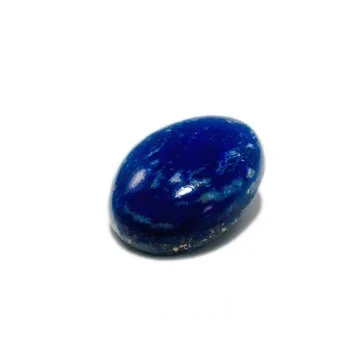
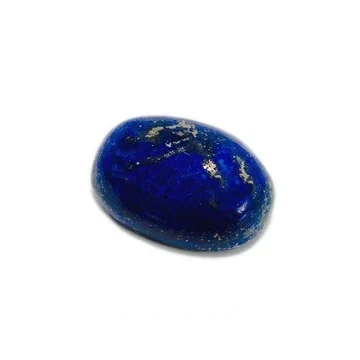
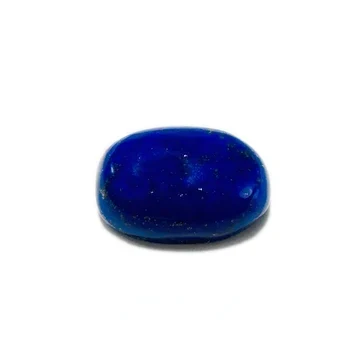
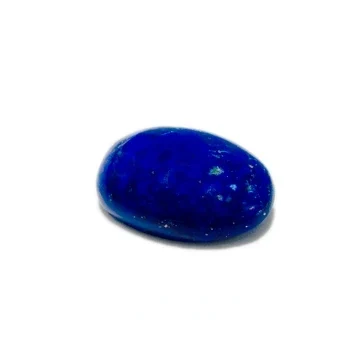
Two pearls from our current listings show the range within the category: a 10.00 carat moti and a 12.05 carat moti. Each has its own photographs, so compare their lustre and shape directly. The full range is in the pearl category.
Setting and wearing a pearl ring
Pearls are soft, about 2.5 to 4.5 on the Mohs scale, and they react to acids, perfume, hair spray and sweat. A ring pearl should sit in a mount that protects its edges, usually a cup with a peg for a half-drilled pearl or a bezel. Put the ring on after perfume and creams, and take it off before washing hands with strong soap, cooking or doing housework. Wipe it with a soft, slightly damp cloth after wearing. Store it apart from harder stones, which will scratch it.
For a pearl worn every day, a pendant or earring suffers less than a ring. If you want a ring, choose a design that keeps the pearl from taking direct knocks. Our page on stone setting explains the options, and silver vs gold settings helps with the choice of metal.
Moti in tradition
In Vedic astrology the pearl is the stone of the Moon (Chandra), and many families choose it for that reason; it is also the traditional June birthstone and linked with the sign of Cancer. These are beliefs and customs, not guarantees, and they do not change how a pearl's quality should be judged. Our planned guide to pearl benefits covers the tradition more fully.
Buying from GemStore
We photograph each pearl on its own and state what we know about it, including treatments. A certificate is available on request and independent lab testing can be arranged. Orders are dispatched in one to two working days and delivered across Pakistan by insured, tracked courier in about seven working days. Pay by Cash on Delivery after inspecting the pearl, and return it within 7 days if it is not right. For help comparing two pearls, send us a message on WhatsApp at +92 308 887 3888. If a pearl does not suit, moonstone is the other June stone and has a similar soft glow.
Shop the stones: pearl.
The beliefs described here are traditions, shared for interest. They are not guaranteed outcomes, religious rulings or medical advice.
References