In this article

GemStore team — written by the people who list and pack every stone.
Reviewed on
Blue sapphire, sold in Pakistan as neelam, is bought for very different reasons. Some buyers want a bright blue stone for a ring. Many are following an astrologer's advice and have been given a weight in ratti and a list of conditions such as "unheated" or "Ceylon". Each of those conditions changes the price, and some change it a great deal. This guide explains what you are paying for when you buy neelam, how carat and ratti quotes line up, and how to compare two offers without being caught out.
No prices are typed into this article. The table below is generated from GemStore's own sapphire listings and refreshed monthly, so the numbers reflect actual stones for sale.
Neelam prices from our own listings
Our sapphire category is the largest on the site, which makes the table a useful snapshot of the natural blue sapphire market. It shows the lowest, typical and highest price per stone, with the matching figures per carat and per ratti.
| Origin | Weights | Stones | Per carat | Per ratti |
|---|---|---|---|---|
| Ceylon (Sri Lanka) | 1.2 – 4.4 ct | 35 | Rs 2,100 – Rs 57,000 | Rs 1,900 – Rs 52,000 |
| Kashmir | 1.8 – 4.5 ct | 24 | Rs 2,600 – Rs 7,900 | Rs 2,400 – Rs 7,200 |
| Afghanistan | 2.4 – 40.4 ct | 14 | Rs 950 – Rs 11,000 | Rs 850 – Rs 10,000 |
| Nigeria | 2.7 – 12.4 ct | 5 | Rs 3,700 – Rs 7,500 | Rs 3,400 – Rs 6,800 |
| Australia | 1.9 – 2.4 ct | 2 | Rs 7,800 – Rs 8,700 | Rs 7,100 – Rs 7,900 |
| Other / origin not stated | 1.0 – 42.6 ct | 84 | Rs 500 – Rs 56,000 | Rs 460 – Rs 51,000 |
The lowest prices usually belong to small or pale stones, or stones with visible zoning. The highest belong to larger stones with a rich, even blue and good clarity. For other stones, see the monthly gemstone price guide.
The five things that set a sapphire's price
1. Treatment
Most blue sapphire in the world is heated. Heating is permanent and widely accepted, and it is how much of the market's good blue is produced. Unheated neelam with fine colour is rarer and is priced higher, and many astrology buyers specifically ask for it. That premium should only be paid when a lab report confirms no heat.
Two other treatments sit much lower in value. Beryllium (lattice) diffusion drives colour into the stone at very high temperature, and surface diffusion adds a thin skin of colour that can be polished away when the stone is recut. Both must be disclosed, and neither should be priced like a heated sapphire. Glass-filled sapphire also exists, though it is less common than glass-filled ruby.
2. The blue itself
The most valued sapphires show a strong, velvety mid-to-dark blue that stays blue indoors. Price falls in both directions from there:
- Too pale: light, greyish or "watery" blue looks washed out and costs much less.
- Too dark: inky stones that look black in a room are common from some sources and sit lower in price than their size suggests.
- Green or grey tints: a secondary green or grey lowers the value against a pure blue.
- Colour zoning: bands of stronger and weaker blue. If you can see the bands from the top, the price should reflect it.
3. Clarity
Sapphire is usually cleaner than ruby, so buyers can be stricter. Fine silk is acceptable and sometimes softens the colour pleasingly. Fingerprint-like feathers, cracks that reach the surface and dark crystals in the centre of the face all reduce the price. An eye-clean stone at arm's length is a sensible target for most budgets.
4. Size
The per-carat rate climbs with weight because large, clean, well-coloured rough is scarce. Moving from a 2 carat to a 4 carat neelam of the same quality can more than double the total, since you pay a higher rate on twice the weight. If your astrologer has given you a minimum weight, ask whether a cleaner stone just over that weight would serve, rather than a larger, lower-grade one.
5. Origin
Kashmir sapphire is the historic benchmark but almost never appears in normal trade. Sri Lanka (Ceylon) is known for brighter, lighter blues and is the origin most Pakistani buyers ask for. Madagascar, Burma, Thailand and Australia also supply the market, the last two often with darker stones. Origin should only change the price when a lab report states it. Our guide to where blue sapphire comes from covers each source in detail.
Cut, a hidden sixth factor
Sapphire rough is often cut in its country of origin with weight, not beauty, in mind. A deep pavilion adds carats that you pay for but cannot see from the top, and an off-centre culet can pull a colour zone into the middle of the face. A shallow stone, on the other hand, shows a pale, glassy window when you tilt it. When you compare two neelam of similar weight, ask for the length and width in millimetres. The one with the larger face-up size for its weight is usually the better buy, provided the colour holds.
Recutting can improve a poorly cut stone, but it costs weight, and the stone's price per carat should then rise to reflect the better look. If you see a well-proportioned stone priced per carat in line with a badly cut one, the better-cut stone is the better value.
Carat and ratti for neelam
A lab report gives weight in carats, where one carat equals 0.2 grams. Astrologers and many shops in Pakistan give weight in ratti. The standard gemstone ratti is 0.91 carat, so a 5 ratti neelam weighs 4.55 carats and a 7 ratti neelam weighs 6.37 carats.
Some jewellers use the sunari ratti of about 0.1215 grams, which is roughly 0.61 carat. A "7 ratti" stone in sunari terms weighs only about 4.27 carats. If your astrologer said 7 ratti, ask which ratti they meant before you buy; the difference is a whole size category of stone. The carat to ratti converter handles both.
To change a per-carat rate into a per-ratti rate (standard ratti), multiply by 0.91. To go from per ratti to per carat, divide by 0.91.
Per-ratti pricing in Pakistani shops
Many bazaar dealers price neelam as a rate per ratti, then multiply by the weight. This is a long-standing way of doing business and is perfectly fair when the details are clear. Before you agree a rate, make sure you know:
- which ratti is being used;
- that the weight is for the loose stone alone, not the stone plus a ring;
- that the rate quoted is for the stone you are actually being sold, not a better one shown first;
- what treatment the dealer is stating, in writing.
Ask for the final figure as one price for one stone with its weight written on the receipt. That is the only number that matters.
How to compare two neelam offers
- Put both on the same unit. Convert to price per carat using 0.91 carat per ratti, unless the seller confirms a different ratti.
- Match the treatment. An unheated claim backed by a report, a heated stone and a diffused stone are three different products.
- Match the size band. Compare a 3 carat stone with another near 3 carats, not with a 1 carat stone.
- Compare colour in the same light. Ask both sellers for a video under ordinary indoor light. A sapphire that goes dark indoors is worth less than one that holds its blue.
- Check zoning face-up. Ask for a photo from the top on white paper.
- Confirm the return terms. Find out what happens if a lab report disagrees with what you were told.
A price far below the others for a "Ceylon unheated" stone is almost always explained by a missing report, a different treatment, a different ratti, or a look-alike such as blue spinel, iolite or glass. Our planned post on real and fake sapphire covers the checks.
Questions to ask before you pay
A good seller answers these without hesitation. Ask for the answers on WhatsApp so you have them in writing.
- Is the stone natural sapphire, and what treatment, if any, has it had?
- What is the exact weight of the loose stone in carats?
- Can I see a video of the stone in daylight and under indoor light?
- Is any zoning or inclusion visible from the top?
- Is a certificate available, and can independent lab testing be arranged?
- What are the return terms if the stone is not as described?
Budget tiers by filter
The quickest way to see what each budget buys is to browse the price filters and compare the stones you find.
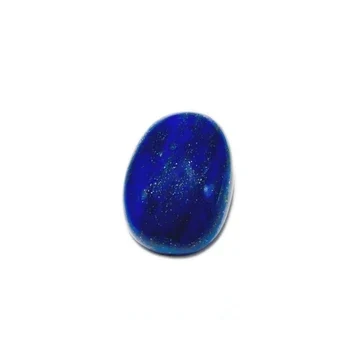
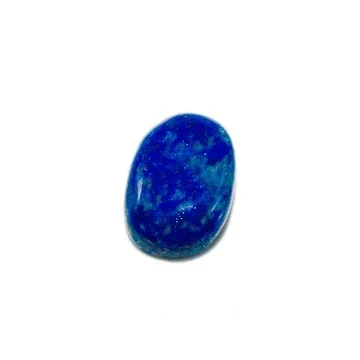
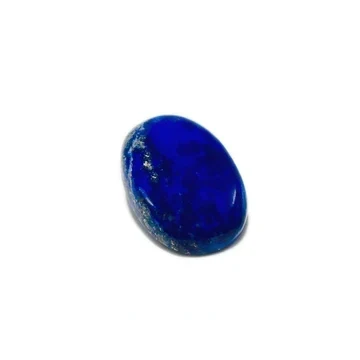
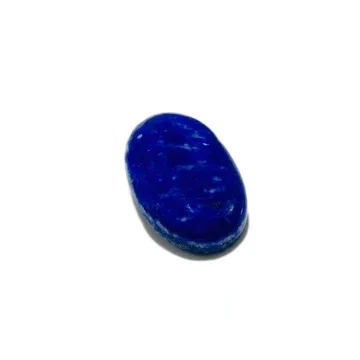
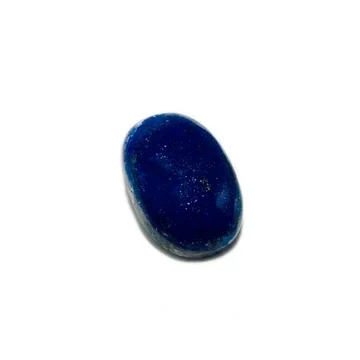
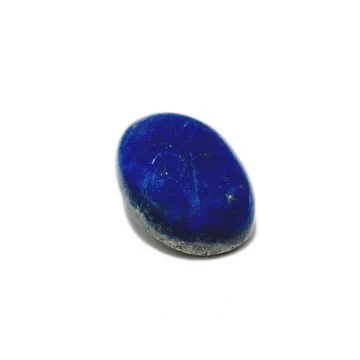
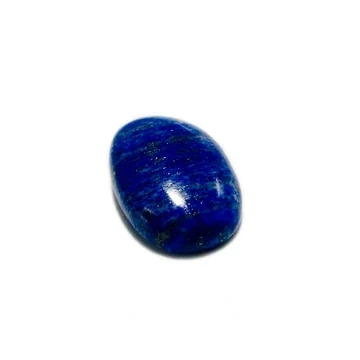
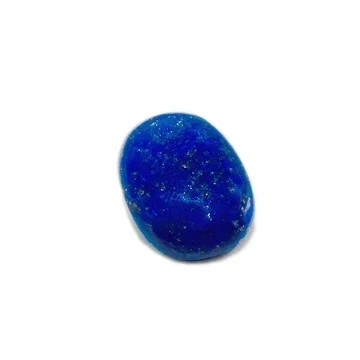
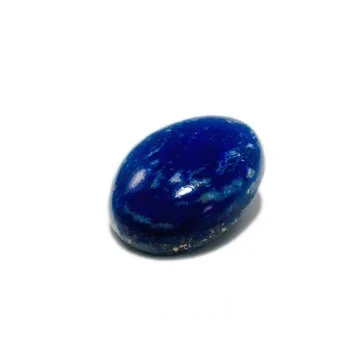
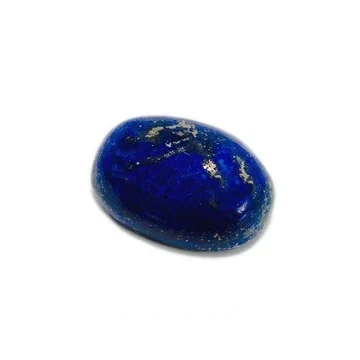
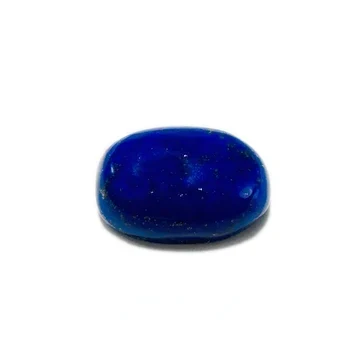
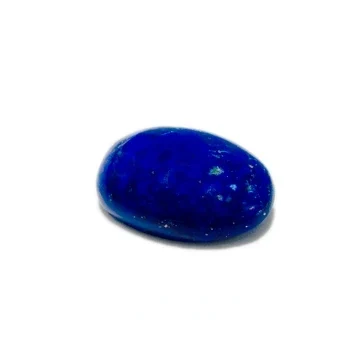
Then open the sapphire category and compare stones of similar weight. For example, this 1.50 carat neelam and this 1.60 carat neelam are close in weight, so any price difference between them comes down to colour, clarity and treatment, which you can see in their photos and descriptions.
Other sapphire colours
Blue is only one colour of sapphire. Yellow sapphire (pukhraj) has its own pricing logic, explained in what makes one pukhraj cost more than another, and purple sapphire is covered in our purple sapphire category. If you want the stone set, the planned neelam ring price guide explains how setting costs are added.
Buying neelam from GemStore
Each sapphire on GemStore is natural, photographed on its own and priced on its own, with known treatments disclosed. A certificate is available on request and independent lab testing can be arranged. Cash on Delivery covers all of Pakistan, and you may open the parcel and inspect the stone before paying the rider. We dispatch within 1 to 2 working days by insured, tracked courier, delivery takes about 7 working days, and you can return a stone within 7 days. For the traditional side of wearing neelam, read blue sapphire benefits; these are beliefs, so follow the guidance of an astrologer you trust.
Shop the stones: sapphire.
The beliefs described here are traditions, shared for interest. They are not guaranteed outcomes, religious rulings or medical advice.
References