In this article

GemStore team — written by the people who list and pack every stone.
Reviewed on
Blue sapphire, neelam, is one of the most copied stones sold in Pakistan. The fakes range from obvious blue glass to lab-grown sapphire that is chemically identical to the natural stone, and in between sit glued doublets, glass-filled stones and sapphires whose colour was pushed into the surface by chemical diffusion. A buyer in a bazaar in Rawalpindi or Karachi can meet any of them.
This guide is about asli ki pehchan: what each imitation is, which simple checks catch the cheap ones at home, and where only a gem lab can give an answer. It does not cover colour grading or origin in depth; our first-time neelam buying guide and sapphire origins article do that.
The five things sold as "neelam"
Before any test, know what you might be holding. Almost every blue stone offered as sapphire falls into one of these groups.
1. Natural sapphire, heated or unheated
Blue corundum from the ground. Most of it is heated to improve colour and clarity, which is stable and accepted when disclosed. Unheated stones of good colour cost more. Both are real sapphire.
2. Synthetic (lab-grown) sapphire
Made in a factory with the same chemistry and hardness as natural sapphire. The cheapest kind, grown by flame fusion, has been made for over a century and is used in watch glasses. It is real corundum but not a natural gem, and it is worth a tiny fraction of natural neelam. Our article on natural vs synthetic gemstones explains the difference in general.
3. Treated natural sapphire beyond heating
- Diffusion-treated: pale sapphire heated with titanium or beryllium so blue colour forms in a thin layer near the surface, or in the case of beryllium sometimes deeper. Re-cutting or a deep chip can expose paler material underneath.
- Glass-filled: heavily cracked, low-grade corundum filled with lead or cobalt-coloured glass. It looks clean but is fragile and worth very little.
4. Assembled stones (doublets)
A thin crown of natural sapphire glued onto a base of synthetic sapphire or glass. The top passes a hardness or tester check, which is exactly why doublets are made.
5. Other blue stones
Blue glass, cubic zirconia, blue spinel (natural or synthetic), iolite, kyanite, tanzanite and blue topaz have all been sold as neelam at some point, sometimes innocently. Some of these are lovely gems in their own right; the problem is only when they are sold under the wrong name.
Checks you can do at home
None of these proves a stone is natural sapphire. They are filters: they catch most glass, cheap synthetics and doublets, and tell you whether a stone deserves a lab test. A 10x loupe costs little and is worth owning if you buy stones.
Look for bubbles and swirls
Hold the stone under a bright white light and look through it with the loupe. Round gas bubbles, alone or in strings, mean glass, or a glass filling in a cracked stone. Swirl marks that look like syrup stirred into water also point to glass.
Curved lines or straight bands
Natural sapphire grows in a hexagonal pattern, so its colour zoning runs in straight, parallel bands, sometimes meeting at angles. Flame-fusion synthetic sapphire shows fine curved lines, like the grooves of a gramophone record. Seeing curved striae is one of the clearest home signs of a cheap synthetic, though they can be faint and are easier to see with the stone placed on a white sheet with diffused light behind it.
Look for natural "silk" and crystals
Fine needle-like inclusions (silk), tiny crystals and fingerprint-shaped healed fractures are typical of natural sapphire. A deep-blue stone that is perfectly clean under the loupe is not necessarily fake, but at a low price it should make you ask more questions.
Turn it on its side
Look at the girdle, the thin edge around the widest part of the stone. A doublet often shows a straight line where two materials meet, sometimes with a slight change in lustre or colour above and below the line. Placed table-down on white paper, many doublets also show a red ring around the edge.
The two-colour check
Sapphire is dichroic: viewed through different sides, it shows two slightly different blues, one more violet-blue and one more greenish-blue. Glass and cubic zirconia show the same colour from every direction. You can see this with a cheap dichroscope or, in a larger stone, by turning it slowly. Tanzanite is much more strongly multi-coloured, flashing violet and even reddish tones, which also helps separate it.
Facet edges and polish
At 9 on the Mohs scale, sapphire keeps sharp facet edges for years. Old glass shows scuffs and rounded edges quickly. If a "used" neelam looks worn along the edges, it is probably not sapphire.
The edge-of-colour check for diffusion
If you can, place the loose stone in a glass of water on a white tile and look straight down. A surface-diffused sapphire often shows its blue concentrated along the facet edges and the girdle, giving a net-like outline, while a natural or simply heated stone shows more even colour through its body.
Home tests to avoid
- The scratch test. Scraping a stone on glass or a tile tells you little, since synthetic sapphire and doublet tops pass it, and it can chip a real stone.
- Fire or heat tests. Never put a stone in a flame. Heat can crack inclusions and will destroy a glass-filled stone.
- The breath or fog test. It is unreliable for coloured stones.
- Electronic "diamond testers". Many give confusing readings on sapphire and do not separate natural from synthetic.
What only a lab can tell you
Some questions cannot be settled by eye, loupe or bazaar tester, however experienced the dealer:
- Natural or modern synthetic. Newer lab-grown sapphires made by slower methods can be clean and lack curved lines. Separating them needs spectroscopy and microscope work.
- Heated or unheated. This is a big price question, and the signs are inside the stone at high magnification.
- Beryllium diffusion. Can penetrate deeply and usually needs advanced chemical testing to detect.
- Origin. Kashmir, Ceylon, Madagascar and so on. Origin opinions come only from a lab, and only some labs give them.
For a stone above the everyday price range, ask for a lab report before or after purchase. Our guide on how to read a gemstone lab certificate explains the lines that matter, such as "natural corundum", "indications of heating" and comments on treatment. We also list stones with reports on our lab-certified blue sapphire page.
Warning signs when buying
- A deep, clean, large neelam at a bargain price. Natural sapphire is priced by weight and quality; large clean blue stones are scarce. Compare against our sapphire price guide.
- A seller who will not write the treatment on the invoice. "Natural sapphire, heated" is a normal, honest description. Vague words like "original stone" or "Ceylon type" are not.
- Stones offered only in a sealed packet or already set. A setting can hide a doublet's join line and the stone's back.
- Origin stories with no paperwork. "Kashmir" without a lab report is a story.
- No return policy. If you cannot get a second opinion and return the stone, you carry all the risk.
When it is a different blue stone
Not every non-sapphire is a cheat. Iolite, kyanite, blue topaz and tanzanite are natural gemstones with their own value; blue spinel is a fine gem in its own right and is being added to our range as spinel. If you like the colour and the price is fair for that stone, it may suit you well. Just know what you are buying, and do not pay a sapphire price for it. For a sapphire-coloured stone at a lower budget, see our tanzanite collection.
Buying neelam safely in Pakistan
- Buy loose where possible, so you can see the whole stone, then have it set.
- Get the weight in carats, plus the ratti conversion if your astrologer works in ratti. The standard gemstone ratti is 0.91 carat; our carat to ratti converter helps.
- Ask for treatment and material in writing.
- Use a seller who lets you inspect before paying and offers returns.
- For a significant purchase, get an independent lab opinion while you are still within the return window.
Our general article on checking any gemstone before you buy covers the same habits for other stones.
How GemStore sells sapphire
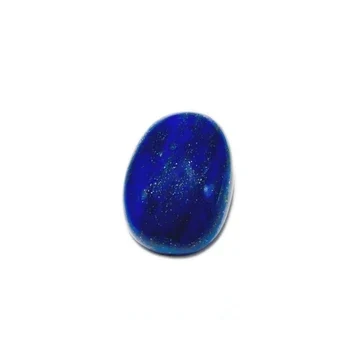
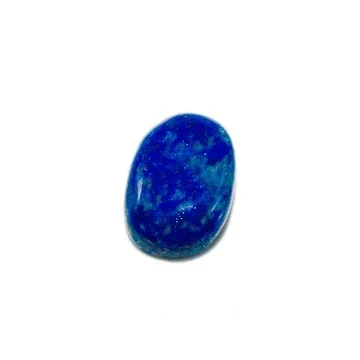
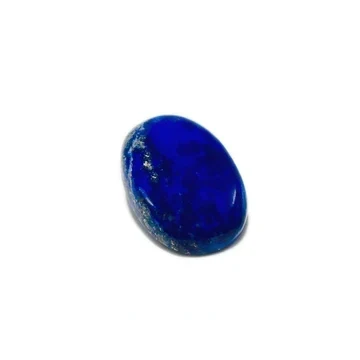
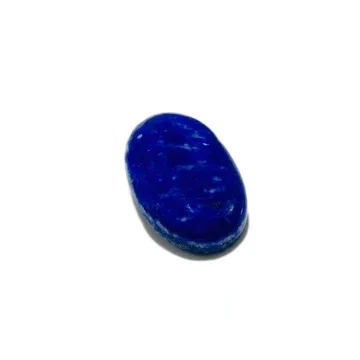
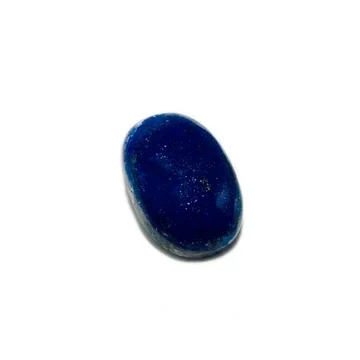
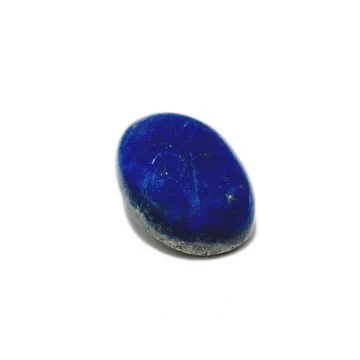
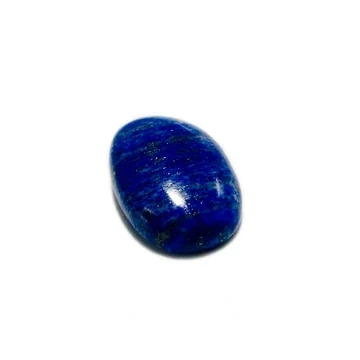
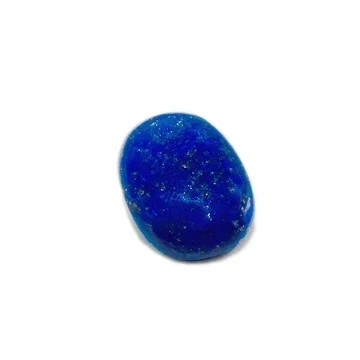
Every neelam in our blue sapphire collection is a single natural stone with its own photo, weight and price, and known treatments are disclosed. For example, the 1.50 carat neelam and the 1.75 carat neelam are each shown as they are. A certificate is available on request and independent lab testing can be arranged.
You can pay Cash on Delivery anywhere in Pakistan: open the parcel and inspect the stone with your own loupe before paying the rider. If it is not what you expected, you have 7 days to return it. When you are ready to set it, our planned guide to neelam ring prices and our article on how to wear sapphire will help.
Shop the stones: sapphire.
References