In this article
- Why lapis is priced differently from transparent gems
- GemStore's current lapis lazuli prices
- What sets the price of lajward
- Look-alikes priced as lapis
- How per-ratti pricing works for lajward
- How to compare quotes fairly
- Why two shops quote so differently
- Budget tiers, using our price filters
- Wear and care affect value over time
- Lapis for tasbih and beads
- Where to start
- خلاصہ

GemStore team — written by the people who list and pack every stone.
Reviewed on
Lapis lazuli, lajward in Urdu, is one of the few stones Pakistanis have known for thousands of years from right next door. The finest material has come from the Badakhshan mountains of Afghanistan since ancient times, and it reaches Pakistani markets through Peshawar and Quetta in every form from rough blocks to polished cabochons and tasbih beads. That long familiarity means plenty of choice, and plenty of variation in price.
This guide explains what makes one piece of lajward cost more than another, shows GemStore's own current prices per stone, per carat and per ratti, and sets out how to compare quotes from different sellers without being misled by weight, wax or dye.
Why lapis is priced differently from transparent gems
Lapis is a rock, not a single crystal. It is mostly blue lazurite, mixed with white calcite and specks of golden pyrite, sometimes with grey diopside or other minerals. Because it is opaque, there is no clarity grade in the usual sense and no sparkle from facets. Value comes from how the stone looks on its surface: the depth and evenness of the blue, the amount and pattern of the gold, and how little white shows.
Lapis is also relatively light in price per carat compared with sapphire or emerald, and it is often cut in large pieces. A carat-by-carat price can therefore look small while the total for a big cabochon is significant. Our article on grading lajward covers the visual quality factors in more depth; this guide focuses on how they translate into price.
GemStore's current lapis lazuli prices
The table below comes from our own lapis lazuli listings and is refreshed monthly. It gives the lowest, typical and highest price per stone, and the equivalent per carat and per ratti.
| Weight | Weights | Stones | Per carat | Per ratti |
|---|---|---|---|---|
| 3 – 6 carat | 5.7 – 6.0 ct | 2 | Rs 360 – Rs 370 | Rs 330 – Rs 340 |
| 6 – 10 carat | 6.0 – 9.8 ct | 9 | Rs 370 – Rs 380 | Rs 340 – Rs 350 |
| Over 10 carat | 10.3 – 44.7 ct | 28 | Rs 80 – Rs 380 | Rs 70 – Rs 350 |
Per-ratti figures use the gemstone ratti of 0.91 carat, the standard for stones in Pakistan. Some jewellers use the smaller sunari ratti, about 0.61 carat, so always convert before comparing; our carat to ratti converter makes it quick. The monthly gemstone price guide shows the same kind of table for other stones.
What sets the price of lajward
1. The blue
Colour is the main factor. The most prized lapis is an intense, even royal blue with a slight violet tint, the colour once ground to make ultramarine paint. Medium blue sits in the middle of the range. Pale, greyish, greenish or patchy blue sits at the bottom. Look at the stone in daylight; very dark blue can look almost black under weak indoor light.
2. Pyrite: a little gold, evenly spread
Fine, evenly scattered pyrite flecks, like stars on a night sky, are traditionally admired and can add to value. Large patches or heavy veins of pyrite lower value, as does pyrite that has dulled or rusted. Stones with no pyrite at all can be top quality if the blue is excellent, though some buyers specifically want the gold.
3. Calcite: the less white, the better
White calcite streaks and patches dilute the blue and are the most common reason a stone is priced lower. Top grades look almost entirely blue. Stones with obvious white veining or cloudy grey-white areas are commercial grade.
4. Polish and texture
Good lapis takes a smooth, slightly waxy polish with an even surface. A grainy, pitted or patchy finish means lower-grade material or rushed work.
5. Treatment
Lapis is commonly dyed to deepen weak blue and waxed or impregnated with resin to improve polish and hide calcite. These treatments are widespread and acceptable when disclosed, but untreated lapis of fine colour is worth more. Dyed stones should be priced well below natural colour.
6. Cut, shape and size
Most lapis for rings is cut as an oval or cushion cabochon or as a flat tablet for signet rings. Well-proportioned, symmetrical shapes cost a little more. Size raises the total price, but because good lapis is available in large pieces, the price per carat does not climb steeply with size as it does for emerald or sapphire.
7. Origin
Afghan lapis from Badakhshan is the benchmark, known for deep blue with fine pyrite. Chilean lapis tends to be lighter, with more calcite and a greyish tone, and is usually priced lower. Russian lapis from the Baikal region is another source. Origin is rarely certified for lapis; judge the stone by what you see.
Look-alikes priced as lapis
Several cheaper materials are sold as lajward, and paying a lapis price for them is the most expensive mistake in this category.
- Sodalite. A natural blue stone, often with white veining and little or no pyrite. It is attractive but worth less.
- Dyed jasper or howlite. Sometimes called "Swiss lapis". Usually too uniform, with no pyrite, and dye may collect in cracks.
- Reconstituted lapis. Powdered lapis bonded with resin. It can look speckled and artificial.
- Glass and plastic. May show bubbles, and the gold "flecks" can look like glitter.
Ask for the stone to be described as natural lapis lazuli on the invoice, with any dye, wax or resin disclosed.
How per-ratti pricing works for lajward
In the bazaar, lajward for rings is often quoted per ratti, while beads and larger pieces are quoted per piece or per strand. A per-ratti quote multiplies a rate by the weight, so a thick stone with a heavy base can cost more than a better, thinner stone. Three points help:
- Confirm which ratti, gemstone or sunari. The difference is about a third.
- Ask for the weight in carats, measured on a digital scale.
- Ask for a side view. Lapis cabochons are sometimes cut very deep to add weight that adds nothing to the look in a ring.
How to compare quotes fairly
- Convert to the same unit. Price per carat is the clearest.
- Compare like with like. A deep blue Afghan stone with fine pyrite and no white is not the same product as a pale stone with calcite veins, even at the same weight.
- Ask about treatment. A natural-colour stone and a dyed one should not cost the same.
- Separate stone and setting. If the price includes a ring, ask for the stone price and the silver weight separately.
- Check the terms. Can you inspect it before paying, and return it if it is not as described?
Why two shops quote so differently
Price gaps for lapis between shops in the same bazaar are common, and they usually have ordinary causes. One shop may be selling commercial material by weight while another has picked out the deeper blue pieces. One may quote the stone alone, another a stone already set in silver. One may use gemstone ratti and another sunari ratti. And one may be selling dyed or waxed material without saying so. Before deciding a quote is high or low, put the stones side by side in daylight, convert the weights to carats and ask each seller the same questions about treatment. The difference that remains is the real price difference, and it should match a visible difference in the blue.
Budget tiers, using our price filters
Our shop's budget filters are the quickest way to see what each level buys across all stones:
- under 5,000 rupees: entry-level stones and smaller cabochons.
- 5,000 to 20,000 rupees: everyday ring stones with good colour.
- 20,000 to 50,000 rupees: larger stones with deeper blue and finer pyrite.
- over 50,000 rupees: exceptional colour, size or finish.
The price table above shows where our current lapis actually falls; not every tier will hold lapis at a given time.
Wear and care affect value over time
At 5 to 6 on the Mohs scale, lapis is soft and slightly porous. A ring worn every day for years will lose polish, and contact with perfume, soap, chlorine or acids can dull or stain it. That matters for value: a well-kept stone keeps its looks, and a worn one needs repolishing. Pendants, earrings and occasional rings are the gentlest uses. Wipe it with a damp cloth, never use an ultrasonic cleaner and keep it apart from harder stones. A bezel setting protects the edges if you do wear it as a ring; see our stone setting service page.
Lapis for tasbih and beads
Lajward tasbih and beaded jewellery are priced as sets. Look for even blue across all the beads, consistent size, smooth drilling and a sound thread. Mixed strands, where a few beads are sodalite or dyed stone, are a known shortcut, so turn each bead in daylight. Our gemstone tasbih page and the guide on choosing a tasbih stone cover the options.
Where to start
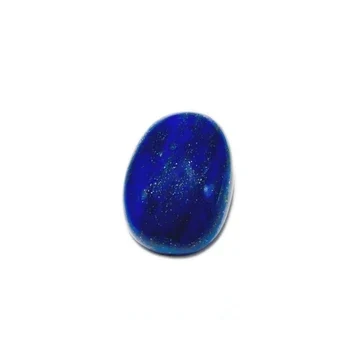
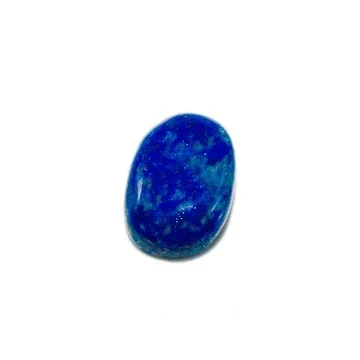
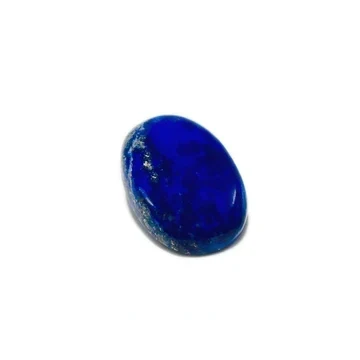
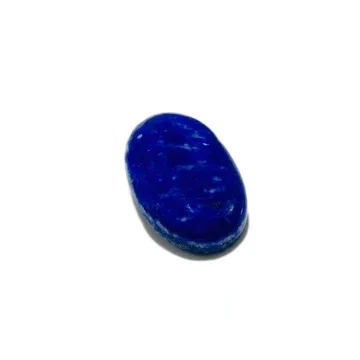
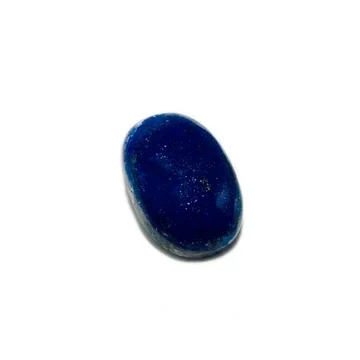
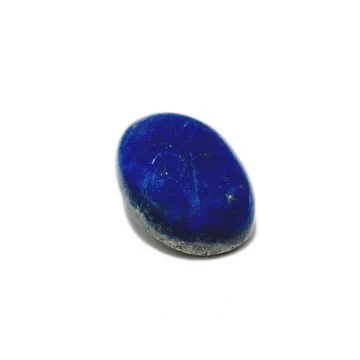
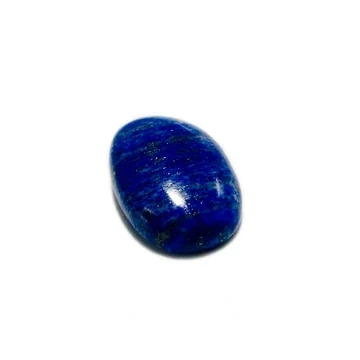
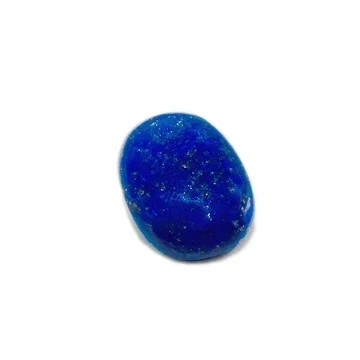
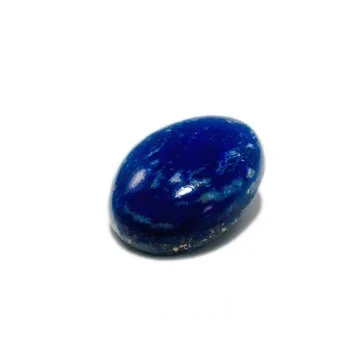
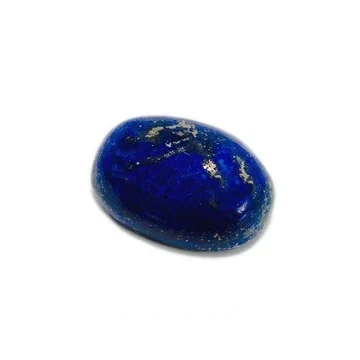
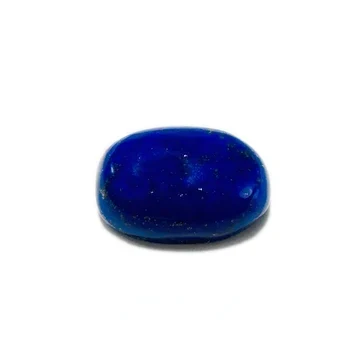
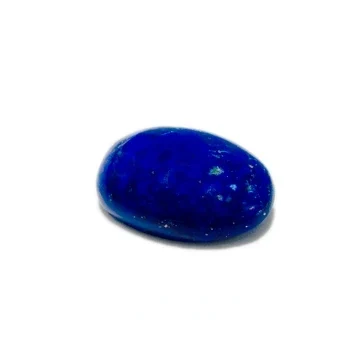
Every stone in our lapis lazuli collection is priced and photographed on its own, so the blue and gold you see are what you receive. Compare, for example, the 12.55 carat lapis lazuli with the 14.25 carat lapis lazuli and notice how colour and pyrite matter as much as weight. You can also browse all blue gemstones, or read how lajward compares with feroza and tanzanite in our December stones guide.
We deliver across Pakistan with Cash on Delivery: open the parcel, look at the stone in daylight and pay the rider only if you are happy. Returns are accepted within 7 days, and a certificate is available on request.
Shop the stones: lapis lazuli.
References