In this article
- Purple sapphire prices from our listings
- What sets the price of a purple sapphire
- Per carat and per ratti: reading a bazaar quote
- Purple sapphire or amethyst: the most common price trap
- Setting the stone: the cost after the stone
- How to compare quotes from different sellers
- Budget tiers by filter
- Buying purple sapphire from GemStore
- خلاصہ

GemStore team — written by the people who list and pack every stone.
Reviewed on
Purple sapphire, often called jamuni neelam in Pakistan, is corundum, the same mineral as blue neelam and red yaqoot. It has the same hardness and the same durability, but it is valued on its own scale, and buyers who expect it to follow blue sapphire prices are often surprised in both directions. A fine violet stone can cost more than an ordinary blue one, while a pale or grey-purple stone of the same weight can cost a fraction of it.
This post explains what moves the price of a purple sapphire, shows the current spread from our own listings per stone, per carat and per ratti, and sets out how to compare quotes fairly. If this is your first purchase, our purple sapphire buying guide covers the basics of choosing a stone; this one stays with value.
Purple sapphire prices from our listings
The table below is built from GemStore's own purple sapphire listings and refreshed each month. It shows the lowest, typical and highest price per stone, and the same figures per carat and per ratti.
| Origin | Weights | Stones | Per carat | Per ratti |
|---|---|---|---|---|
| Africa | 11.3 – 31.6 ct | 4 | Rs 170 – Rs 440 | Rs 150 – Rs 400 |
| Kashmir | 4.7 – 9.3 ct | 2 | Rs 1,600 – Rs 2,600 | Rs 1,450 – Rs 2,400 |
| Other / origin not stated | 8.3 – 11.2 ct | 3 | Rs 450 – Rs 1,000 | Rs 410 – Rs 900 |
The spread is wide because purple sapphire varies so much in colour and size. Use the table to see where a quote sits, then use the factors below to judge whether the stone deserves that position. For other stones, our monthly gemstone prices in Pakistan guide gathers the same figures across categories.
What sets the price of a purple sapphire
1. Hue: which purple
Purple sapphire runs from bluish violet through pure purple to reddish purple and plum. Buyers in Pakistan tend to pay most for a clear, pure purple or a rich violet. Stones that lean grey or brown cost less. Reddish-purple stones that approach pink are judged partly as pink sapphire and can be valued strongly when the colour is lively.
2. Saturation and tone
Saturation is how strong the colour is; tone is how light or dark. The top price goes to stones with strong colour at a medium to medium-dark tone. Pale lavender stones are pleasant and affordable. Very dark stones that look nearly black indoors lose value, because you pay for colour you cannot see.
3. Colour change
Some purple sapphires shift between daylight and warm indoor light, for example from violet-blue outdoors to purple or reddish-purple under a bulb. A clear, attractive change can add a premium. View any stone in both kinds of light before you agree a price.
4. Clarity
Fine silk, needles and small crystals are normal in natural sapphire and help confirm it is not synthetic. Price falls when inclusions are easy to see without a loupe, reach the surface, or make the stone look cloudy. An eye-clean stone, one that looks clean at normal viewing distance, sits higher than one with visible flaws.
5. Cut and proportions
Sapphire rough is often cut to keep weight rather than to look its best, which leaves deep stones with a dark centre or a "window" where light passes straight through. A well-proportioned stone looks larger and brighter for its weight and is worth more per carat than a heavy, poorly cut one.
6. Size
Like other sapphires, purple sapphire becomes rarer as size grows, so the price per carat usually rises with weight. A stone twice the size typically costs more than twice as much once colour is equal. Larger stones are more readily available in purple than in some other sapphire colours, which is one reason purple appeals to buyers who want a big corundum ring.
7. Origin
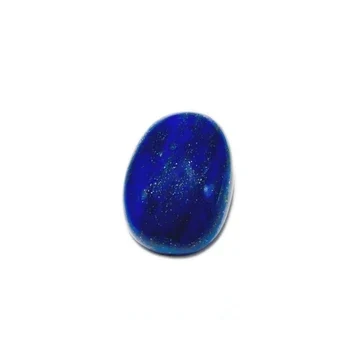
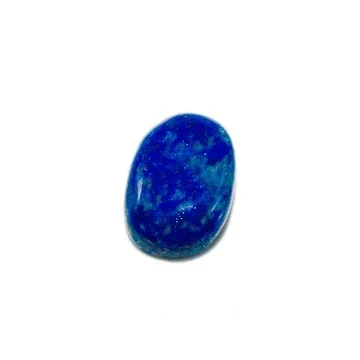
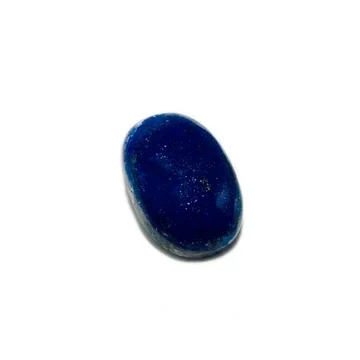
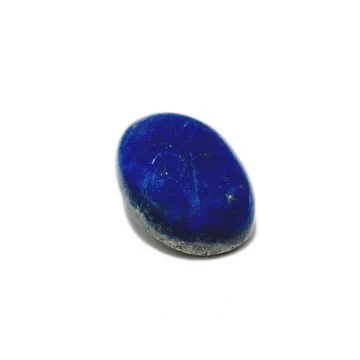
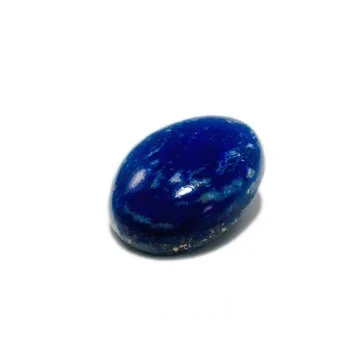
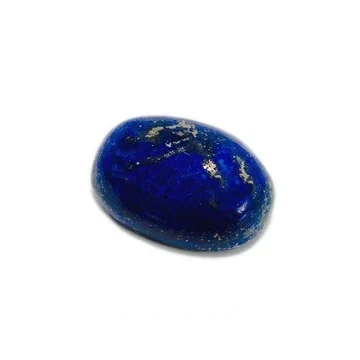
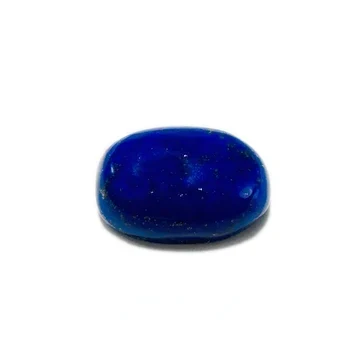
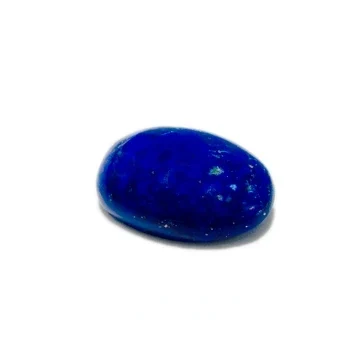
Purple sapphire comes from Sri Lanka, Madagascar, several East African countries and Afghanistan, among other sources. Origin does affect value at the top end, but by eye it cannot be proven, and a label on its own adds nothing. We state origin on a listing only where we know it, as with this 11.24 carat Afghan purple sapphire and this 11.30 carat African purple sapphire.
8. Treatment
Treatment is one of the largest price factors and the one most often hidden.
- Unheated: commands a premium for the same appearance.
- Heated: the standard, stable treatment for sapphire, widely accepted and priced as normal.
- Diffusion: colour added by heating with chemicals such as beryllium. Valued well below heated stones.
- Glass filling: fractures filled with lead glass. Priced far lower and more fragile in a ring.
Ask which applies and get it on the invoice. For larger stones, a report is the only reliable way to confirm treatment; see lab-certified sapphire.
Per carat and per ratti: reading a bazaar quote
In Pakistani gem bazaars sapphires are usually quoted per ratti. Two checks before you compare:
- Which ratti? The standard gem ratti is 0.91 carat (about 0.182 g). The jeweller's sunari ratti is about 0.61 carat (about 0.1215 g). The same stone counts as more ratti on the sunari scale, so its per-ratti rate looks lower. Convert to carats with our carat to ratti converter before comparing.
- Rate times weight. A quote of a certain rate per ratti on a stone of a stated weight should multiply to the total you are asked to pay. Check the arithmetic; mistakes in the seller's favour are more common than in yours.
Remember that per-carat rates are not constant across sizes. A low per-ratti rate on a small stone and a higher rate on a large stone of the same quality can both be fair.
Purple sapphire or amethyst: the most common price trap
Amethyst, sold as jamunia, is purple quartz. It is far more plentiful, softer (7 against sapphire's 9 on the Mohs scale) and much less costly per carat. Because the names jamuni neelam and jamunia sound close, and both stones can be the same colour, amethyst is sometimes sold as purple sapphire. Signs to watch for:
- a large, very clean purple stone offered as sapphire at a modest price;
- colour zoning in angular patches typical of amethyst;
- on a stone that has been worn, facet edges that look rounded or scuffed, since quartz wears faster than sapphire.
Only testing confirms the difference reliably. If you want a purple stone and do not need corundum, amethyst is a perfectly good choice under its own name; see the amethyst collection and the planned amethyst price guide. Tanzanite is another purple-blue option with its own price scale, covered in the planned tanzanite price guide.
Setting the stone: the cost after the stone
The stone's price is only part of what a finished ring costs. The metal, the weight of the mounting and the setting work are separate, and quotes that bundle them make comparison hard. Ask for the loose stone price on its own first. Because sapphire is hard and tough, purple sapphire suits almost any setting, including slim claws, so you are free to choose by look and budget. Silver keeps the total lower; gold is the traditional choice for many families. Our planned neelam ring price page explains how the parts of a ring quote add up, and the stone setting service page covers having a loose stone set.
How to compare quotes from different sellers
- Convert to carats. Use the same unit for every quote.
- Compare colour in the same light. Ask for daylight photos or a video, and view indoors too.
- Match treatment to treatment. Comparing an unheated stone with a diffused one tells you nothing.
- Ask for measurements. Length, width and depth in millimetres show whether a stone is cut for looks or for weight.
- Check what is included. Loose stone, setting, certificate and delivery should be priced the same way across quotes.
- Weigh up the return terms. A clear return window protects you if a test disagrees with the description.
Budget tiers by filter
Our shop filters cover all stones. Use them with the purple sapphire category, or to see what else is available at the same budget.
- Under 5,000 rupees: mainly smaller and more affordable stones of other kinds; a starting point if you are open to amethyst.
- 5,000 to 20,000 rupees: a band to compare smaller or paler corundum with other purple gems.
- 20,000 to 50,000 rupees: a useful range to compare purple sapphires of better colour and size.
- Over 50,000 rupees: larger, finer or untreated stones.
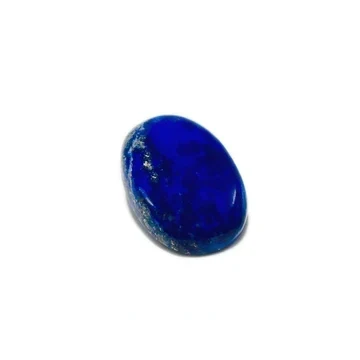
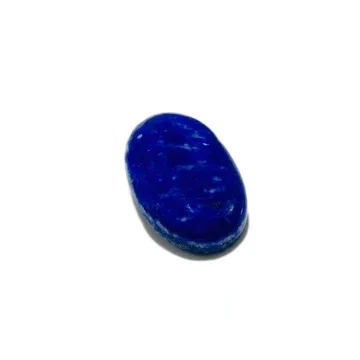
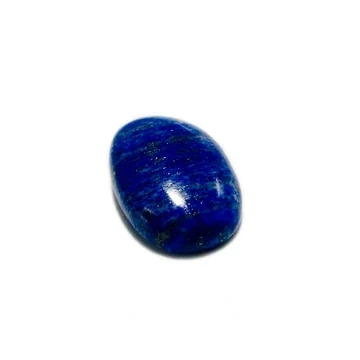
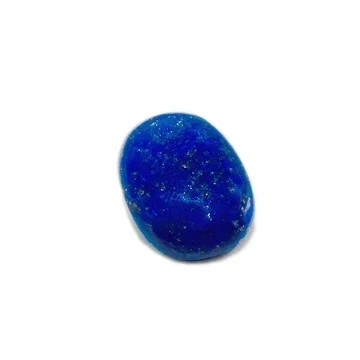
All our purple sapphires are in the purple sapphire collection, each photographed on its own. For a size comparison, look at this 20.45 carat purple sapphire beside the eleven-carat stones linked above. If you are weighing a blue stone too, the planned sapphire price guide covers neelam, and our purple gemstones page shows every purple option side by side.
Buying purple sapphire from GemStore
We list natural stones only and disclose known treatments on every listing. A certificate is available on request, and independent lab testing can be arranged. We deliver anywhere in Pakistan with Cash on Delivery, so you can open the parcel and look at the stone in daylight before paying the rider. Dispatch is within one to two working days, delivery usually takes about seven working days by insured tracked courier, and you have seven days to return a stone.
If you have a quote from elsewhere, send us the weight, measurements, treatment and a photo on WhatsApp on +92 308 887 3888, and we will tell you plainly how it compares with our own listings.
Shop the stones: purple sapphire.
References