In this article
- Why the stone looks the way it does
- Lehsunia and Ketu in Vedic astrology
- The trial-wearing custom
- Who traditionally wears cat's eye
- Folk beliefs and the Pakistani bazaar
- Customs for wearing lehsunia
- The practical benefits of a cat's eye
- Questions to settle with your astrologer first
- Care while wearing it
- Choosing a stone
- خلاصہ

GemStore team — written by the people who list and pack every stone.
Reviewed on
Traditional belief vs gemmology: anything on this page about luck, protection, planets, healing or religious tradition describes traditional and cultural beliefs — not proven effects, religious rulings or medical advice. A stone's identity, hardness, treatment and origin are gemmology, which a lab can test; the references at the end of the page cover that side.
Lehsunia has a reputation unlike any other stone in the Pakistani bazaar. Astrologers speak of it with a mix of respect and caution, families keep stories of sudden luck or sudden trouble, and buyers are often told to "test" it for a few nights before committing. Behind all of this sits Ketu, the shadow planet of Vedic astrology, and a stone whose moving line of light has fascinated people for centuries.
This guide sets out what the traditions say, who is traditionally advised to wear cat's eye and who is told to wait, and then the practical side: what the stone is made of, how tough it is and how to look after it. Beliefs are described as beliefs, not promises. For questions of faith, ask a scholar you trust.
Why the stone looks the way it does
A cat's eye stone shows a single bright band of light across its dome that glides from side to side as you turn it. The effect is called chatoyancy, from the French for "cat", and it comes from countless fine, parallel needles or hollow tubes inside the stone. Cut as a smooth cabochon with those fibres lying flat, the light gathers into one line.
The classic lehsunia of Vedic tradition is chrysoberyl cat's eye, a hard honey to greenish stone. Many other minerals can show an eye, including quartz, tourmaline, apatite and scapolite, and dark or black cat's eye stones are popular as more affordable pieces. Each is a natural stone, but they are different minerals, and astrologers generally specify chrysoberyl when they prescribe lehsunia for Ketu. Our article on grading lehsunia explains the eye, the colour and the milk-and-honey effect in detail; this one concentrates on beliefs and wear.
Lehsunia and Ketu in Vedic astrology
In Jyotish, the nine planetary bodies each have a stone, and cat's eye belongs to Ketu, the south node of the Moon. Ketu has no physical body; it is a calculated point, described as a "shadow planet". Its qualities are tied to detachment, intuition, sudden events, past actions and spiritual search. Because Ketu is thought to act suddenly, its stone is believed to work quickly, for good or ill.
The benefits most often attributed to lehsunia in Vedic practice are:
- Protection from hidden dangers, including accidents, enemies and what many families call nazar. Our gemstones for protection page lists other stones with the same reputation.
- Relief during a difficult Ketu period, when an astrologer reads the chart as passing through Ketu's dasha or under its influence.
- Intuition and focus, said to help people in research, healing professions, spiritual practice and speculative work.
- Recovery of losses: an old belief holds that lehsunia helps return lost money or standing.
None of this can be measured, and no honest seller can promise it. The Navagraha stones page shows where cat's eye sits among the nine planetary gems.
The trial-wearing custom
Cat's eye and blue sapphire are the two stones most often "tested" before being set permanently. The custom is common across Pakistan and North India: the stone is tied in a cloth or worn loosely for three to seven days, and the wearer watches for disturbing dreams, sudden setbacks or a sense of unease. If nothing troubling happens, it is set in a ring. If the experience is bad, the stone is put aside.
We describe this custom because buyers ask about it. It is a tradition rather than a test with any scientific basis, and outcomes during a few days can have many causes. If you plan to follow it, our 7-day return window gives you room to do so with a loose stone in its original condition.
Who traditionally wears cat's eye
Astrologers usually recommend lehsunia only after reading a chart, not by sun sign alone. The groups most often mentioned are:
- People with a strong or favourably placed Ketu, or those passing through a Ketu period.
- Those whose ascendants are traditionally friendly to Ketu; many practitioners name Aries, Scorpio, Sagittarius and Pisces, though schools differ.
- People in risky work or frequent travel, for its protective reputation.
- Seekers drawn to meditation or spiritual practice.
It is also traditionally not recommended without advice, especially alongside a ruby, pearl or red coral, which many practitioners consider in conflict with Ketu's stone. As with every planetary stone, astrologers disagree on details, so treat these lists as starting points for a conversation, not as rules. If you are still deciding between stones, our which gemstone to wear guide may help.
Folk beliefs and the Pakistani bazaar
Some beliefs about lehsunia have drifted far from their astrological roots. You may hear that a cat's eye "drinks" bad luck and turns dull when it has done so, that it must never be bought on a Tuesday, or that a gifted stone works better than a bought one. These are local sayings. A cat's eye that turns dull has usually picked up oil and dirt or been scratched by a harder stone, and a clean in lukewarm soapy water often restores its line.
Muslim families sometimes ask whether lehsunia has any place in Islamic tradition. It does not have the standing of aqeeq or feroza, and we do not offer religious rulings on any stone. If it matters to you, ask a scholar you trust. Our Islamic gemstones guide covers the stones that are part of that tradition.
Customs for wearing lehsunia
Common Vedic advice for cat's eye is:
- Finger: the middle finger, sometimes the little finger, of the working hand.
- Metal: silver or panchdhatu (a five-metal alloy) are often named; gold is also used.
- Day and time: often a Tuesday or Thursday, or a time chosen by the astrologer, first worn after washing the stone and a short prayer or mantra in the wearer's own practice.
- Weight: commonly several ratti. In Pakistan the gemstone ratti is 0.91 carat; the jeweller's sunari ratti is smaller, about 0.61 carat, so ask which one is meant. Our carat to ratti converter helps.
Our planned guide on how to wear cat's eye covers these customs and ring settings in more depth.
The practical benefits of a cat's eye
Toughness for daily wear
Chrysoberyl is 8.5 on the Mohs scale, harder than every common ring stone except sapphire, ruby and diamond. It resists scratches well and has no easy cleavage, so it handles daily wear better than emerald or opal. Quartz cat's eye, at about 7, is still a sensible ring stone with some care.
A stone that suits men's rings
Its smooth dome and quiet colours make cat's eye a natural choice for a bold men's ring in silver. Our planned guide to the gemstone ring for men and the silver ring with stone page show setting ideas.
Easy to judge by eye
Unlike many stones, the main quality of a cat's eye is visible without tools: a sharp, straight, centred line that opens and closes as you turn it. Fibre-optic glass imitates this with a band that looks too perfect and a honeycomb pattern seen from the side; our planned real or fake cat's eye guide covers the checks.
Questions to settle with your astrologer first
Because lehsunia carries a cautious reputation, a few minutes of clarity before buying saves money and worry later. Ask:
- Which mineral do you mean: chrysoberyl only, or will a quartz or black cat's eye do?
- What weight, and in which ratti: the gemstone ratti of 0.91 carat or the jeweller's sunari ratti?
- Which finger, which metal and which day for first wearing?
- Can it be worn with the stones I already have?
- Should it touch the skin? Many practitioners ask for an open-backed setting.
Write the answers down and share them with the seller, so the stone you are shown matches the advice.
Care while wearing it
- Clean the back of the stone often. Soap and skin oil collect under a cabochon and blur the eye. Use lukewarm water, a drop of mild soap and a soft brush.
- Choose a setting that shows the whole dome. A low bezel protects the edge and keeps the line visible from all sides; tall prongs can snag and hide the eye.
- Store it apart from sapphire and diamond, which can scratch it, and keep it away from softer stones it can scratch.
- Avoid sharp knocks. Hard stones can still chip at the base of the dome.
- Ultrasonic cleaners are usually safe for chrysoberyl without fractures, but skip them for quartz cat's eye with visible cracks, and for any stone that has been filled.
Choosing a stone
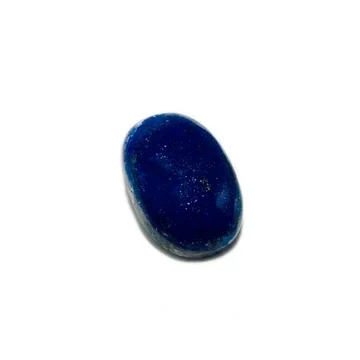
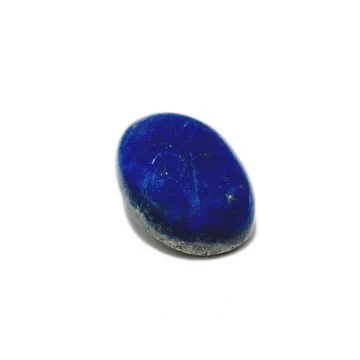
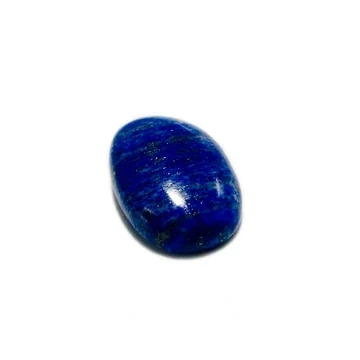
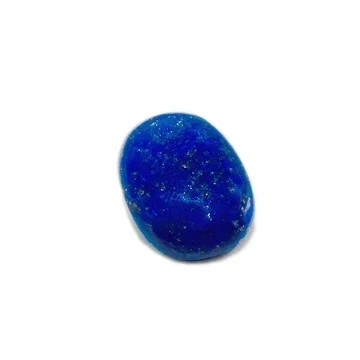
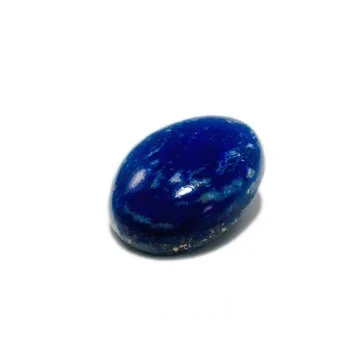
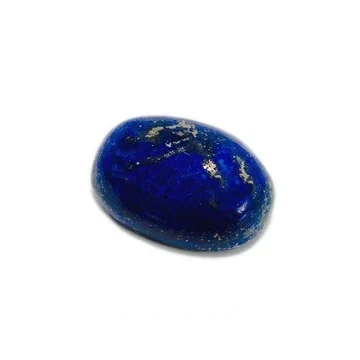
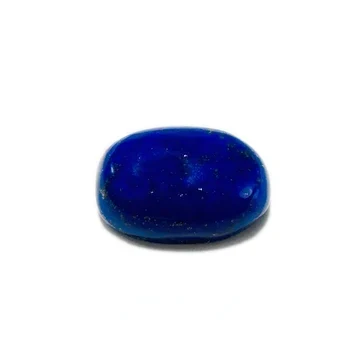
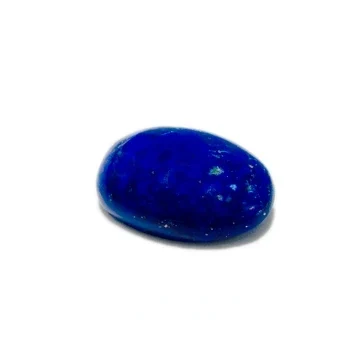
Ask the seller which mineral the stone is, check the eye in a video under a single light, and confirm the weight of the loose stone. A certificate is available on request, and independent lab testing can be arranged; our lab-certified cat's eye page explains how. Browse our cat's eye collection, including the 10.00 carat black cat's eye and the 12.10 carat black cat's eye, two larger stones suited to a bold ring. If you are comparing prices, our planned cat's eye price guide explains the main factors.
Every order in Pakistan can be paid by Cash on Delivery: open the parcel, look at the eye under your own light and pay the rider only if you are satisfied. Returns are accepted within 7 days.
Shop the stones: cat eye.
The beliefs described here are traditions, shared for interest. They are not guaranteed outcomes, religious rulings or medical advice.
References