In this article
- What you are paying for
- Current Sulemani agate prices at GemStore
- What raises or lowers the price
- Per ratti, per carat or per piece
- How to compare two quotes
- Loose stone versus ring
- Pricing traps to watch for
- Matching pairs and sets
- Budget tiers
- The name and the tradition
- Buying Sulemani agate from GemStore
- خلاصہ

GemStore team — written by the people who list and pack every stone.
Reviewed on
Sulemani Aqeeq is one of the most widely worn stones in Pakistan, and you can find it everywhere from a bazaar tray to a high-end jeweller's counter. The prices you will be quoted vary enormously for stones that, at first glance, look alike. Most of that spread comes down to a handful of things you can check yourself: the bands, the colour, the finish and whether the stone has been dyed.
This guide shows current prices from GemStore's own listings, explains what moves a Sulemani stone up or down, and shows how to compare per-ratti and per-piece quotes fairly. If you want to learn to judge band quality by eye, start with our article on what separates a fine Sulemani from a plain one.
What you are paying for
Sulemani agate is banded chalcedony, usually a dark brown or black ground crossed by crisp white lines. Some stones show straight parallel bands; others show rings that form an "eye". Agate is plentiful, so you are not paying for rarity of the material. You are paying for a good pattern, honest colour and careful cutting. That is good news for buyers: an attractive, natural Sulemani is within reach of most budgets.
Current Sulemani agate prices at GemStore
The table below is built from our own Sulemani agate listings and refreshed monthly. It shows the lowest, typical and highest price per stone, and the same figures per carat and per ratti.
| Weight | Weights | Stones | Per carat | Per ratti |
|---|---|---|---|---|
| 6 – 10 carat | 7.0 – 8.2 ct | 5 | Rs 150 – Rs 230 | Rs 140 – Rs 210 |
| Over 10 carat | 11.0 – 19.0 ct | 15 | Rs 150 – Rs 230 | Rs 140 – Rs 210 |
Use the table as a benchmark when you are offered a stone elsewhere. The monthly gemstone price guide puts these figures next to other stones, so you can see where Sulemani Aqeeq sits against black agate, red Aqeeq and the rest.
What raises or lowers the price
Band quality
This is the main driver. Crisp white bands with clean edges, strong contrast against an even dark ground, and a pattern that is centred and balanced all push a stone upward. Smudged lines, weak contrast and random, broken patterns pull it down.
Pattern type
Stones with a well-formed eye, a set of rings centred on the face, are sought after and usually cost more than plain straight-banded stones of the same size. Evenly spaced parallel bands across the whole face come next. A stone with a single white stripe, or with bands only at one edge, sits lower.
Natural or dyed colour
Dyeing the dark layers of banded agate is an old and widespread practice, and a large share of black-and-white agate in the market has been treated this way. It is stable and does not make the stone fake, but it does make it a different product. A natural-colour stone, often with a warmer brown ground and slight variation, should cost more than a dyed stone with a flat, jet-black ground. The seller should tell you which you are buying.
Size and thickness
Larger stones cost more in total, and big pieces with a clean, centred pattern are harder to cut, so the price per carat rises a little with size. Thickness matters too: a thin slice can look fine from the top but chips more easily and sits poorly in a ring.
Cut and finish
Most Sulemani is cut as a cabochon or a flat-topped tablet. A symmetrical outline, an even polish without pits and clean, unchipped edges add value. Carved stones, such as those engraved with calligraphy, carry an extra charge for the work. Ask whether any engraving was cut by hand or by machine, as the cost differs.
Origin claims
Some sellers describe stones as "Yemeni Sulemani" or "old stock" and ask more for them. Agate with this look is mined in several countries, including India, Brazil and Yemen, and origin is almost never tested for agate. A place name on its own is not a reason to pay more. Judge the pattern, colour and finish of the stone in front of you. Our article on Yemeni and Iranian Aqeeq explains how origin talk works in the Aqeeq trade generally.
Per ratti, per carat or per piece
Sulemani agate is usually sold per piece in Pakistan, because the pattern matters far more than the weight. Some dealers do quote per ratti, especially for ring stones bought on an astrologer's or elder's advice. If so:
- Ask which ratti. The gemstone ratti is 0.91 carat. The jeweller's sunari ratti is smaller, about 0.61 carat (0.1215 grams). A rate per sunari ratti will look lower than a rate per gemstone ratti for the same stone, so confirm before comparing.
- Convert to carats. Online listings show carats; one carat is 0.2 grams. Our carat to ratti converter lines the two up.
- Do not let weight decide. A heavy stone with a dull pattern can be worth less than a lighter one with a perfect eye. Use weight to compare stones of similar quality, not to rank them.
How to compare two quotes
- Same product? Natural-colour or dyed? Plain bands or an eye? Loose or set?
- Same weight basis? Bring both prices to per carat, checking which ratti was used.
- Same finish? Look for chips at the edge, scratches and an even polish.
- Is it agate? Glass imitations show round bubbles under a loupe, and printed or painted bands sit only on the surface. Check that the pattern runs through to the side and back.
- What is written down? A bill stating "natural agate" and whether it is dyed is worth more than a verbal promise.
- Can you return it? A small premium for a return window is usually worth paying.
Loose stone versus ring
Many people buy Sulemani already set in a silver ring. The price then covers three things: the stone, the silver by weight and the jeweller's making charge. With an affordable stone, the silver can easily cost as much as the stone or more. Ask for each part separately, so you can see whether you are paying for a better stone or simply a heavier ring. Our guides to the Aqeeq ring price and silver rings with stones cover the setting side in more detail.
Pricing traps to watch for
- The "rare pattern" premium. A seller may claim a pattern is one of a kind. Eyes and parallel bands are attractive, but they are not rare in Sulemani agate. Pay for how good the pattern looks, not for the story.
- Photos of a different stone. A tray photo or a "sample" picture tells you nothing about the stone you will receive. Because pattern is the whole value, insist on a photo or video of the exact piece.
- Weight padding. A very thick base adds weight, and so price, when the stone is sold per ratti, without improving the face-up look. Ask for the measurements as well as the weight.
- Hidden repairs. A chipped edge can be reshaped or filled. Look closely at the girdle for uneven polish or a slightly different shine.
- Ring weight. A heavier silver mount raises the ring price far more than a better stone would. Check the silver weight on the bill.
Matching pairs and sets
If you want two stones that match, for cufflinks, earrings or rings for a father and son, expect to pay more than twice the price of one stone. Finding two agates with similar band spacing, contrast and colour means sorting through many pieces. Ask the seller to photograph the pair side by side in daylight before you agree.
Budget tiers
Use our budget filters to see what is available at each level across all stones:
- Under 5,000 rupees: the natural home of most everyday agates, including many Sulemani stones.
- 5,000 to 20,000 rupees: the place to look for larger agates and other semi-precious stones.
- 20,000 to 50,000 rupees and over 50,000 rupees: mostly precious stones, useful if you are weighing Sulemani against something like Neelam or Yaqoot.
Our article on natural gemstones under 5,000 rupees suggests other stones that give good value.
The name and the tradition
The name Sulemani links the stone, in popular belief, with Prophet Sulaiman (peace be upon him), and many Muslim families in Pakistan wear it in a silver ring as a protective stone or a family custom. These are traditions and beliefs; we do not promise any result, and for religious questions please ask a scholar you trust. Our Islamic gemstones page and protection stones page describe the wider tradition. Tradition does not change the price rules above: a stone worn for meaning is still best bought on the strength of its pattern, colour and honesty.
Buying Sulemani agate from GemStore
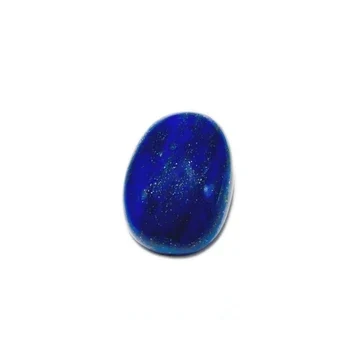
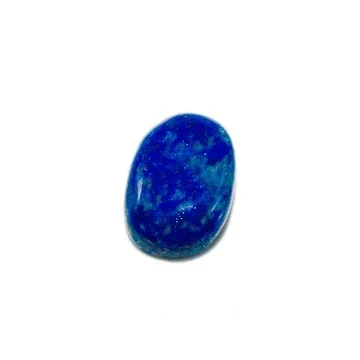
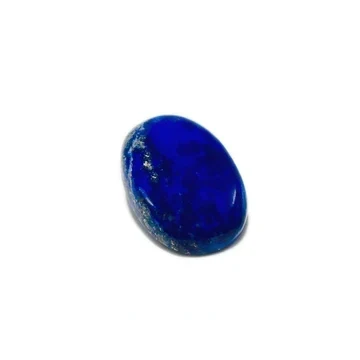
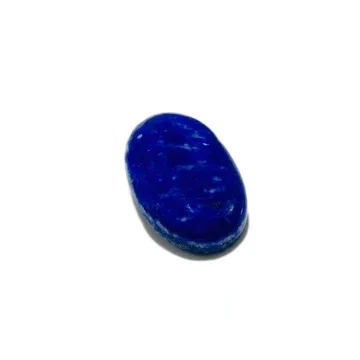
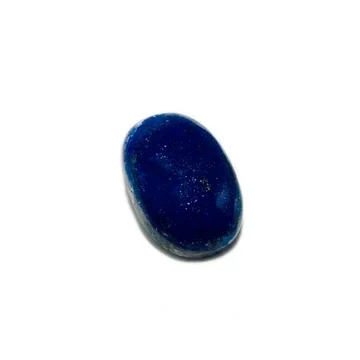
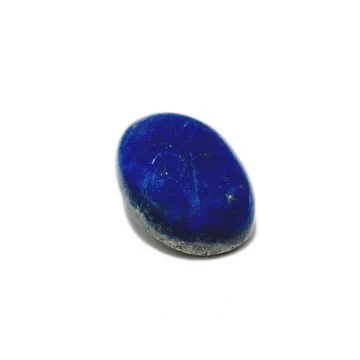
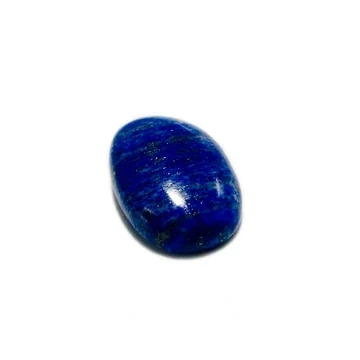
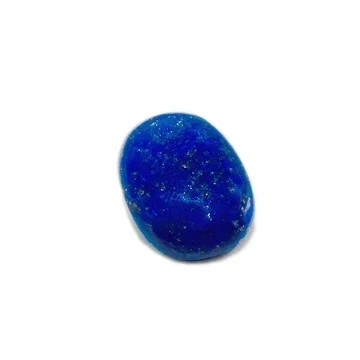
Every stone on our Sulemani agate page is listed on its own, with its own photo, weight and price, so you know exactly which pattern you will receive. Compare, for example, this 10.95 carat Sulemani agate with this 12.00 carat Sulemani agate and see how the bands differ. If you prefer a solid dark stone, our black agate collection sits close by in price and style.
We deliver anywhere in Pakistan by insured, tracked courier, with Cash on Delivery: open the parcel, check the stone, then pay. Returns are accepted within 7 days. Send us a photo of any quote on WhatsApp and we will tell you honestly whether it looks fair.
Shop the stones: sulemani agate.
The beliefs described here are traditions, shared for interest. They are not guaranteed outcomes, religious rulings or medical advice.
References